Wool Keratin Beats Collagen on Bone Structure in Rats — SkimNews
Get the Health newsletter
Daily health & science — research, biotech, public health, the studies worth knowing. Free.
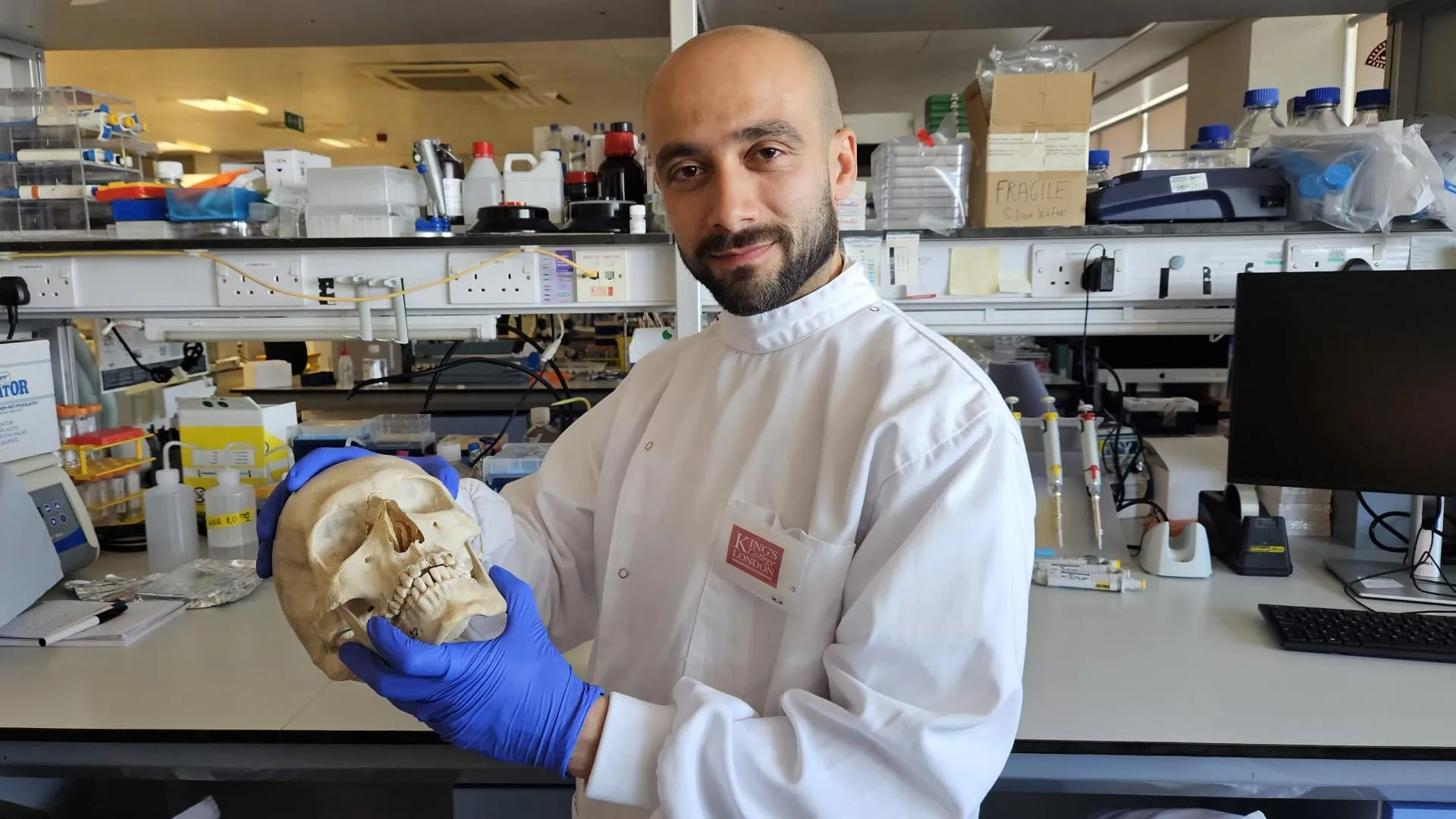
- King's College London researchers, led by Dr. Sherif Elsharkawy, extracted keratin from sheep's wool and implanted membrane scaffolds into rats with skull defects too large to heal on their own.
- The keratin scaffolds produced new bone with fibers that were better aligned and structurally closer to healthy bone than tissue grown with collagen, the long-standing gold standard in regenerative medicine.
- Collagen membranes generated a greater total volume of bone than keratin, but the keratin-grown tissue was more organized and integrated more smoothly with surrounding tissue during healing.
- Lab tests with human bone cells showed the keratin membranes supported healthy bone formation, and the material remained structurally stable throughout the healing period in animal testing.
- Elsharkawy called the result a "major milestone" positioning keratin as a potential new class of regenerative biomaterial that could challenge the long-standing reliance on collagen in dental and orthopedic applications.
- Sheep's wool is often discarded as waste by the farming industry, giving keratin a sustainability edge over collagen, which the researchers describe as relatively weak, prone to early degradation, and costly to extract.
Why it matters: Collagen has anchored regenerative scaffolds for decades, but its rapid degradation and costly extraction have constrained its use in weight-bearing bone repairs. Demonstrating keratin's superiority in bone organization inside a living animal moves the material from lab concept toward clinical candidates, while turning an agricultural waste stream into a medical input creates a new revenue path for wool producers.
Ask SkimNews