Eversource Tests Targeted Demand Response in Massachusetts — SkimNews

Get the Energy newsletter
Daily energy & climate — solar, EVs, oil, the policy fights and tech bets shaping the transition. Free.
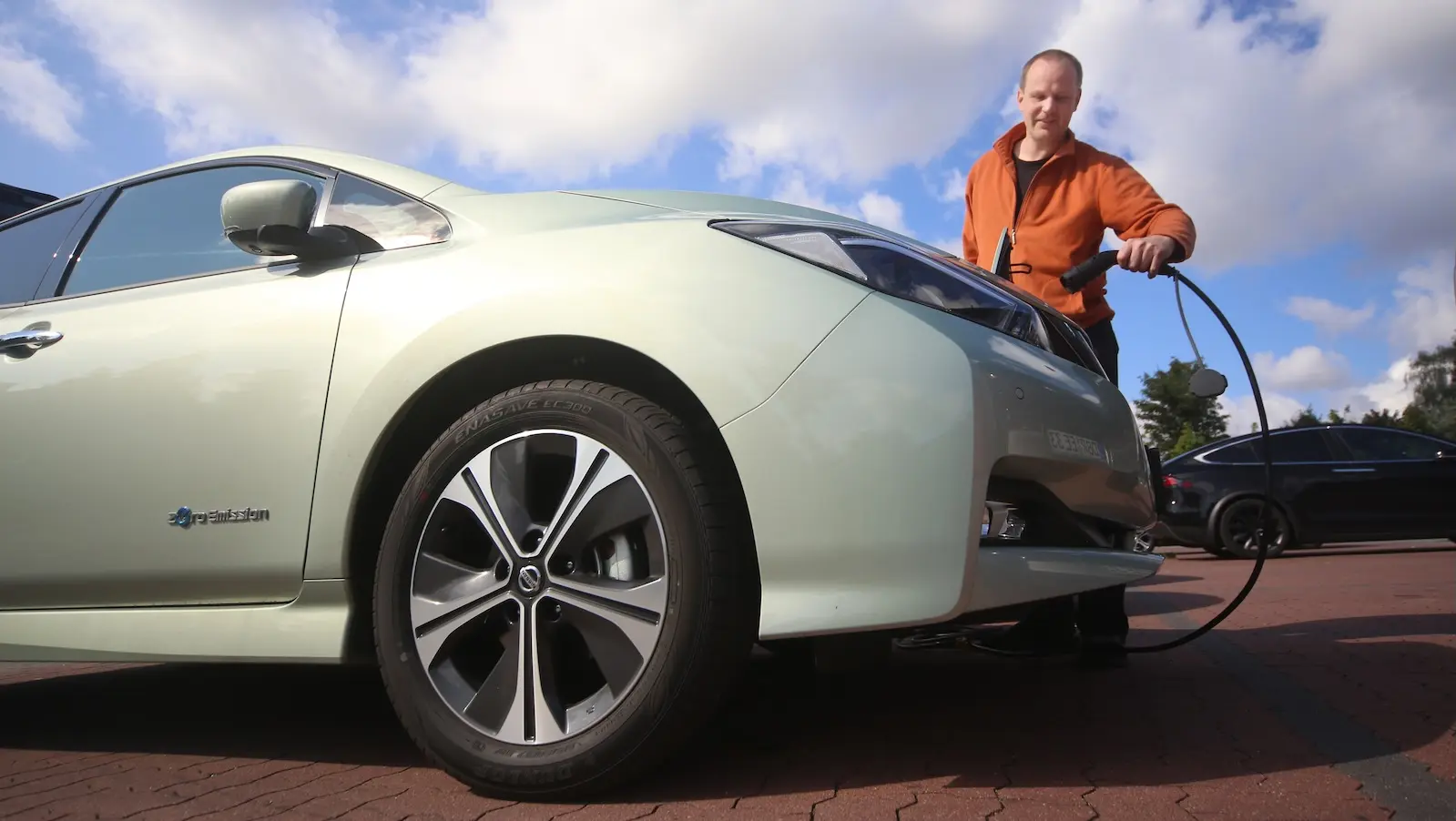
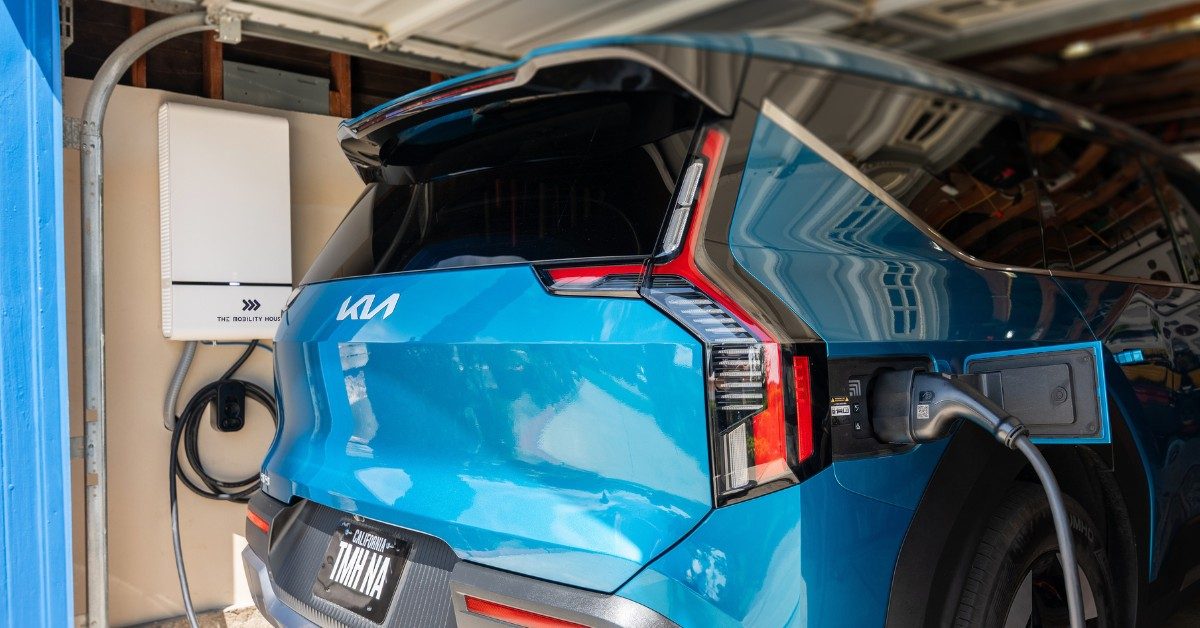
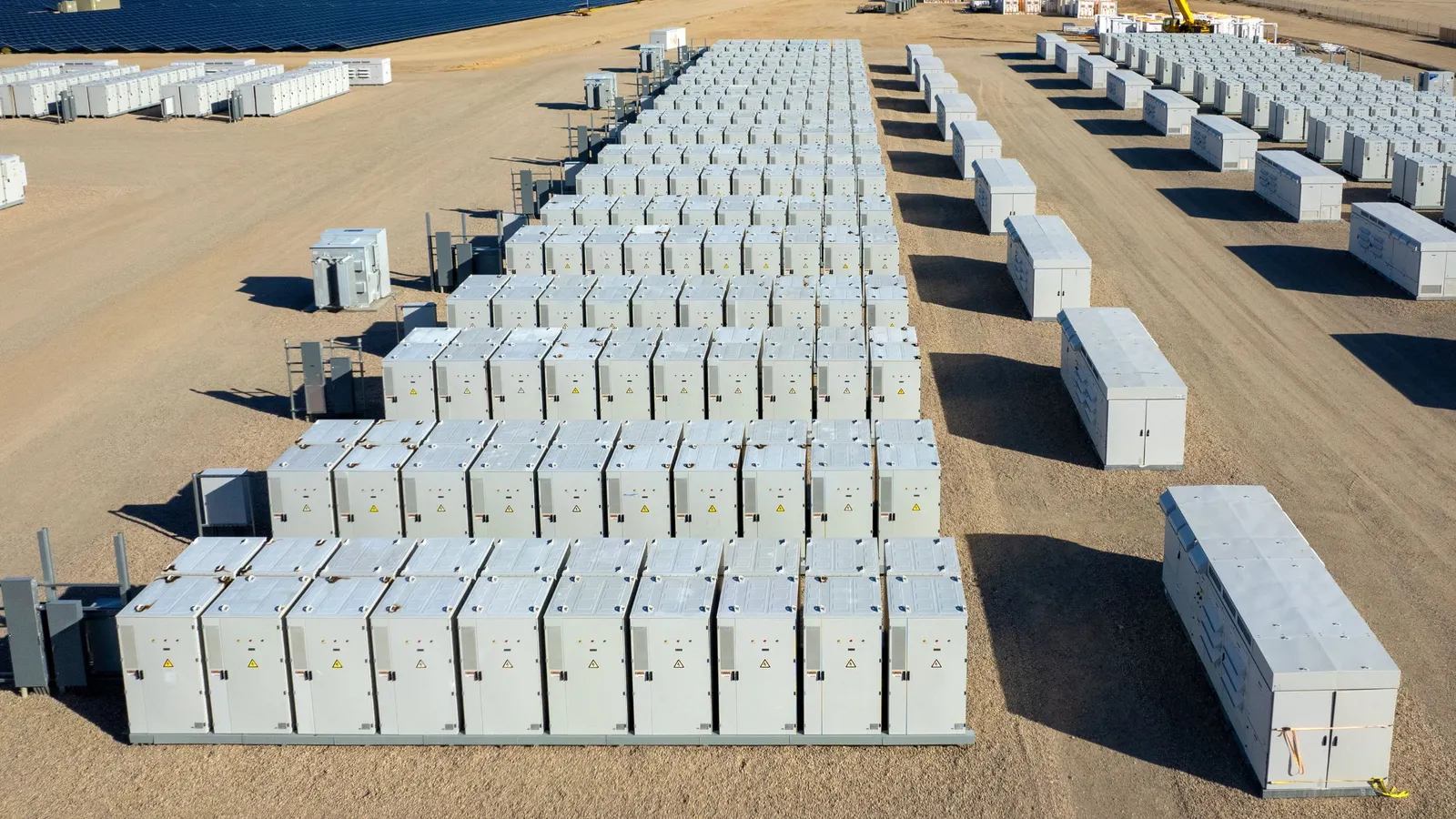
- Eversource launched two demand response pilots on June 25 — "ConnectedSolutions+" and "Managed Charging+" — in the Boston area and southeastern Massachusetts to recruit batteries, EVs, building management systems and smart thermostats in specific substations where grid stress or solar oversupply is expected.
- The Greater Boston pilot targets the Alewife, Hyde Park and Dewar substations serving parts of Cambridge, Milton and south Boston, where Eversource expects above-average loading during summer heatwaves, with events called from 2 p.m. to 10 p.m. between June and September.
- The southeastern Massachusetts pilot covers the Industrial Park substation in Freetown, Lakeville, New Bedford, Dartmouth and Acushnet, encouraging battery and EV charging between 11 a.m. and 3 p.m. when distributed solar is most likely to saturate the local grid.
- Eversource aims to enroll roughly 2,800 devices in Greater Boston and just 30 Managed Charging+ plus 14 ConnectedSolutions+ customers in southeastern Massachusetts, with home battery owners earning a $400/kW performance incentive and businesses $250/kW for battery curtailment.
- The pilots launched as southern New England baked under a heat dome, with ISO New England forecasting 478,450 MWh of net load on July 2 — among the highest daily readings this decade.
- Tilak Subrahmanian, Eversource's VP for energy efficiency and electric mobility, framed the pilots as a way to "target demand response where it can deliver the most value for local reliability" and possibly defer infrastructure investments.
- Eversource plans to gather data through 2025 and anticipates continuing — and potentially expanding — the pilots through 2029, as ISO New England projects the region's wintertime behind-the-meter solar to reach 6.5 GW by the late 2030s.
Why it matters: By targeting specific substations rather than offering blanket incentives, Eversource is testing whether customer-sited flexibility can defray the cost of traditional wires investments as electrification drives up peak demand and distributed solar drives up midday oversupply. Customers in the Alewife, Hyde Park, Dewar and Industrial Park substations effectively become the utility's first line of defense against the two emerging grid constraints: heat-driven summer peaks and solar-driven midday congestion.
Ask SkimNews