Workhorse fleet logs 20 million electric miles — SkimNews

Get the Energy newsletter
Daily energy & climate — solar, EVs, oil, the policy fights and tech bets shaping the transition. Free.
- Workhorse Group's commercial EV fleet crossed 20 million all-electric miles, a combined total that absorbed the collective fleet mileage of Workhorse and Motiv Electric Trucks following their roughly $105 million merger completed late last year.
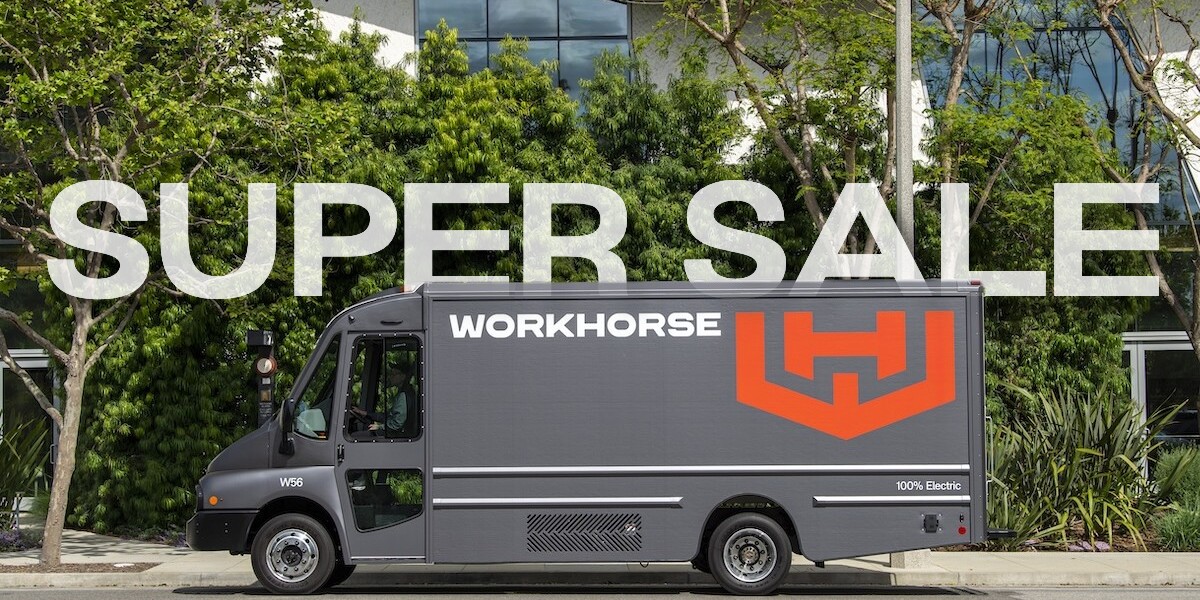
- Roughly 1,100 commercial EVs drove those miles, with the majority of usage coming from last-mile delivery vans built on the W56 and EPIC4 chassis and cab platforms.
- Scott Griffith, CEO of Workhorse, called medium-duty "the sweet spot for electrification," framing the milestone as evidence of vehicle quality and repeat-customer trust.
- Stables by Workhorse, an independent logistics provider serving FedEx Ground in Ohio, runs a mixed ICE-and-battery van fleet year-round — giving Workhorse continuous real-world operational data on last-mile delivery performance.
- Motiv (now folded into Workhorse Group) launched in 2009 and more recently built its own proprietary operator cab and chassis called the Argo, a bet the article frames as a risk that has so far paid off.
- The article's framing leans hard on the public-health equity angle, noting that fossil-truck pollution disproportionately affects low-income communities and communities of color near highways, warehouses, and ports — positioning each electric mile as a direct reduction in asthma, reduced lung function, and cardiovascular mortality.
Why it matters: Twenty million electric miles on a 1,100-truck commercial fleet is one of the largest real-world durability datasets for medium-duty EVs in the U.S., and Workhorse now controls the full loop: vehicles, proprietary chassis (Argo), and a captive logistics arm (Stables) generating operational telemetry. For fleet buyers weighing medium-duty electrification, that combined footprint gives Workhorse a credibility lead over startups still piloting single-digit fleets. It also strengthens Griffith's pitch that medium-duty, not long-haul, is where EV unit economics already work.
Ask SkimNews