Offshore Wind Farms Defy Trump's Stop-Work Orders — SkimNews
Get the Energy newsletter
Daily energy & climate — solar, EVs, oil, the policy fights and tech bets shaping the transition. Free.
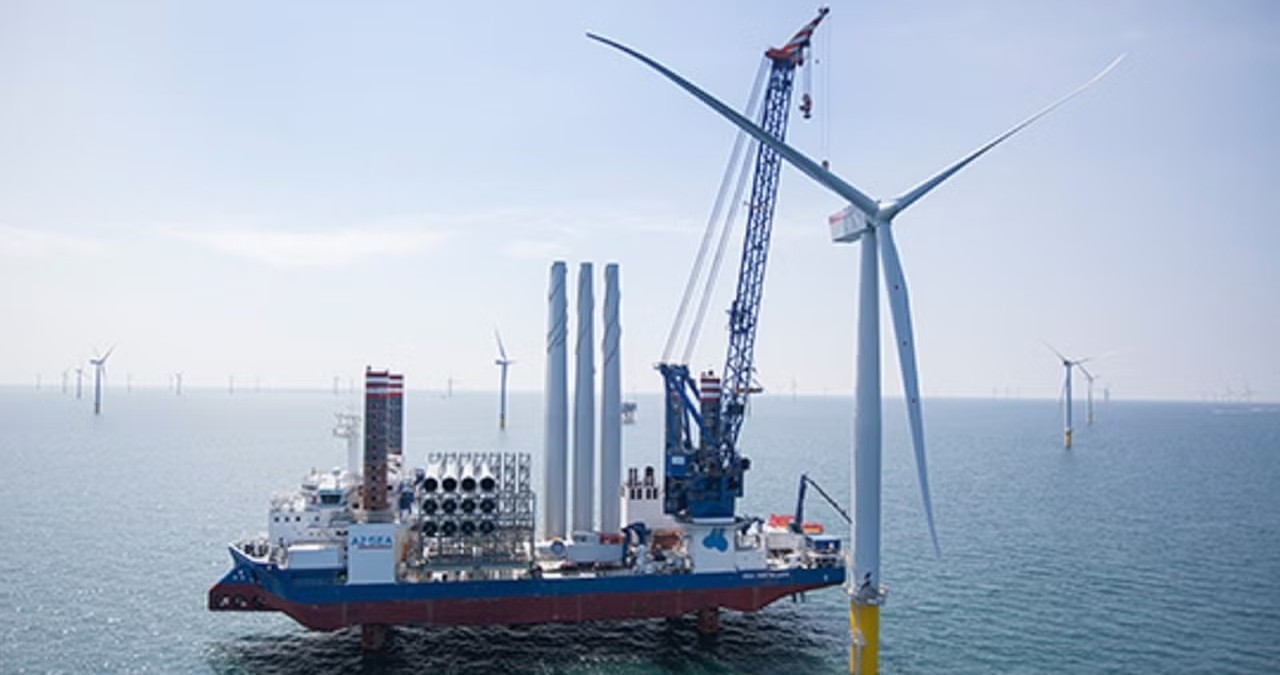
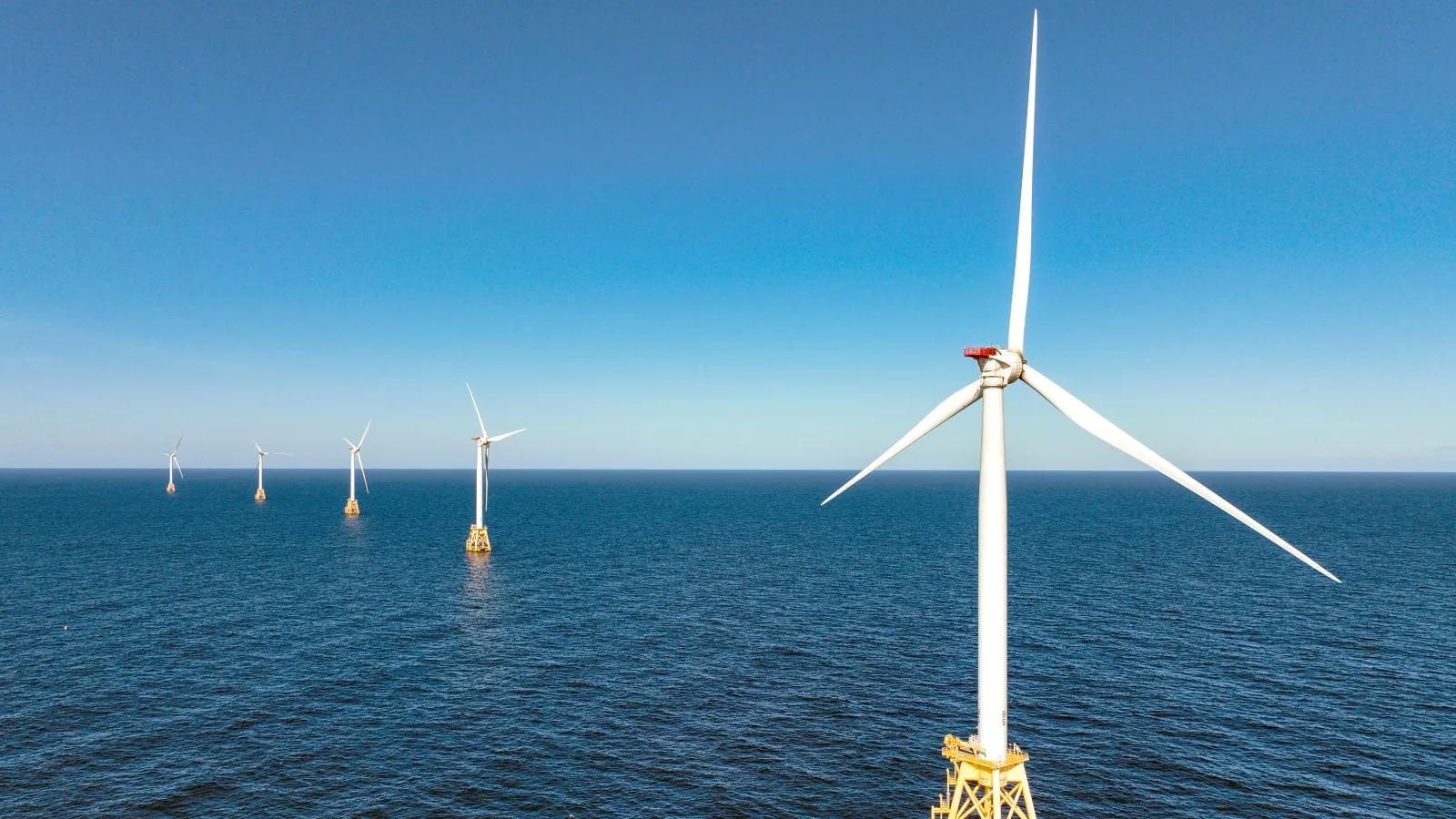
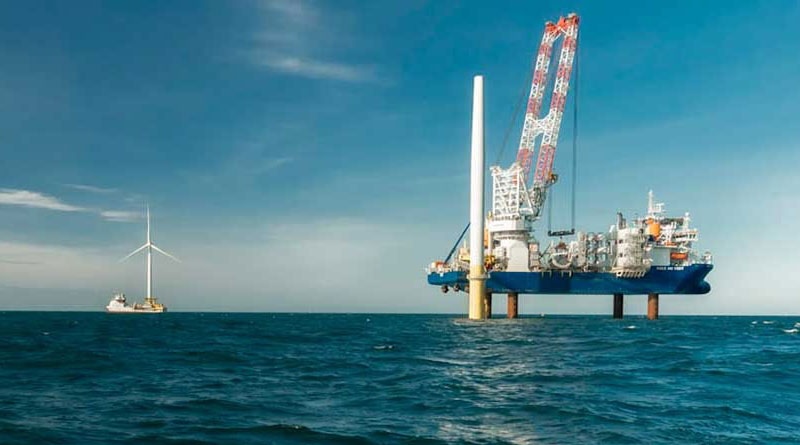
- Vineyard Wind installed all 62 turbines by March 13 — down from 84 in the original 2017 proposal — with full commissioning to follow, after a federal court lifted BOEM's December 22 stop-work order in late January.
- Revolution Wind began delivering electricity to the grid for the first time on March 13, a 704-MW joint venture between Ørsted and Skyborn Renewables expected to save New England ratepayers up to $500 million annually per a September 2024 Connecticut DEEP report.
- BOEM's December 22 stop-work order targeted five Atlantic Coast wind farms citing unspecified national security concerns, yet on the same day the agency quietly allowed Vineyard Wind to keep its 44 already-commissioned turbines operating.
- Empire Wind in New York was first halted in April 2025 despite being greenlit during Trump's first term, restarted after Governor Kathy Hochul personally negotiated with Trump in May 2025, then halted again in December before winning court relief earlier this year.
- Hochul also won a separate March 3 court victory upholding Manhattan's congestion pricing tolls, declaring: "Donald Trump's unlawful attempts to trample on the self-governance of his home state have failed spectacularly."
- The U.S. Energy Information Agency forecasts a 7% decline in U.S. coal generation in 2026 as renewables grow, with natural gas gaining minimal new capacity — a market shift running in the opposite direction of Trump's energy policy preferences.
Why it matters: New England ratepayers stand to save up to $500 million annually in wholesale energy costs from Revolution Wind alone, while federal courts have now repeatedly overturned Trump's stop-work orders — meaning projects already under construction keep delivering power regardless of executive action.
Ask SkimNews