Ann Arbor Pilots City-Run Clean Energy Utility — SkimNews

Get the Energy newsletter
Daily energy & climate — solar, EVs, oil, the policy fights and tech bets shaping the transition. Free.
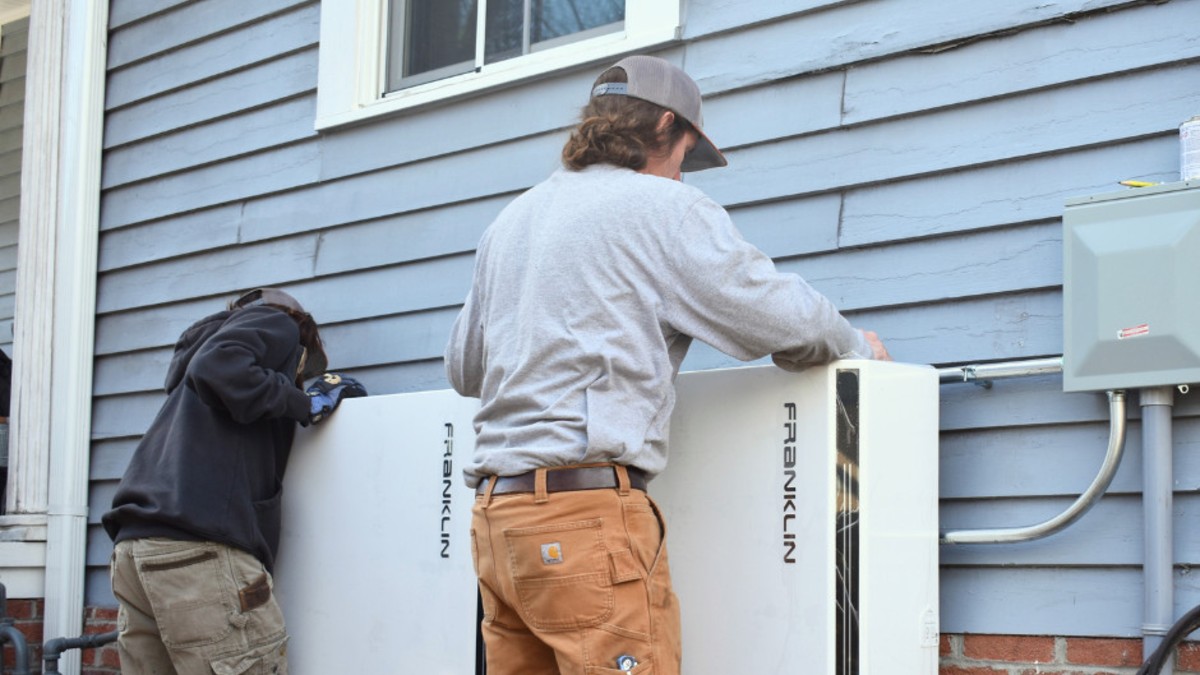
- Ann Arbor's Sustainable Energy Utility will pilot in the Bryant neighborhood — a first-in-the-country model where a city agency runs alongside the existing DTE Energy utility, with the city owning and financing rooftop solar, battery backup, and other infrastructure for opt-in participants.
- A November 2024 ballot measure approving the SEU passed with nearly 80% support; more than 1,500 Ann Arbor residents have already indicated interest since the city began accepting expressions of interest in late February 2025.
- Bryant, a 1970s-era community of about 260 homes where a quarter of residents are "energy burdened" (paying more than a third of income on utilities), will see 100-150 SEU customers this year, scaling to 1,000 next year and several thousand annually after.
- A 2023 city analysis found Ann Arbor's 2020 climate plan — a 100% renewable grid within a decade — would likely miss the target by more than 40%; University of Michigan researchers concluded the SEU model outperformed three alternatives (pressuring DTE, state action, or full municipalization) on price, emissions, reliability, and low-income benefits.
- DTE Energy supports the program despite having no formal role in it, with spokesperson Ryan Lowry saying the voluntary, fee-based approach will "accelerate economy-wide decarbonization"; advocates for a fully public utility are simultaneously collecting signatures for a November ballot measure to replace DTE.
- The SEU can also build microgrids — for example, installing solar on a school to power other customers when classes are out — a feature that sets it apart from other municipal clean energy programs, including D.C.'s 15-year-old SEU, which functions as a contracted efficiency administrator rather than a utility.
Why it matters: For Bryant — where 25% of residents spend more than a third of their income on utilities — the SEU offers a path to lower bills without taking on the political and financial risk of displacing DTE. With 1,500-plus residents already expressing interest and the city planning to scale by several thousand customers annually, the model offers a replicable template for the hundreds of U.S. cities whose climate plans depend on private utilities they can't control.
Ask SkimNews