Quapaw Nation clears Laue Superfund site for farming — SkimNews

Get the Energy newsletter
Daily energy & climate — solar, EVs, oil, the policy fights and tech bets shaping the transition. Free.
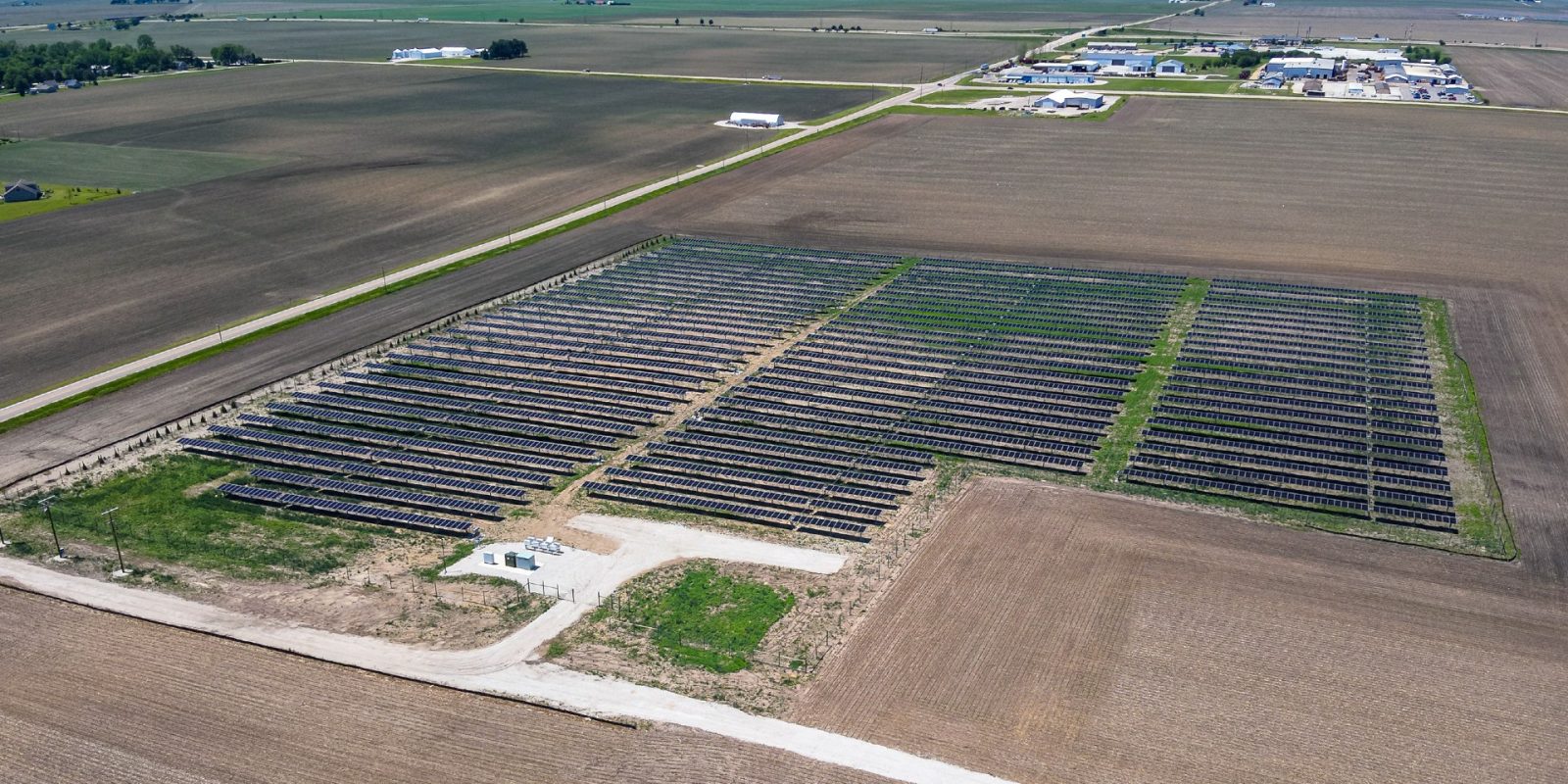
- The Quapaw Nation cleared the Laue site of toxic chat piles, restored the soil, and returned 200 acres to agriculture, with the pasture currently rotating a herd of about 400 cattle.
- The Quapaw are the first and only tribal nation in the US to manage and carry out a Superfund cleanup themselves, after telling contractors they were "no longer welcome on Quapaw land" over incomplete work and damaged topsoil.
- The Tar Creek Superfund site, designated in 1983, covers 40 square miles that include nearly all of the Quapaw Nation and remains one of the largest and most complex environmental disasters in the country.
- The Tri-State Mining District produced 1.7 million tons of lead and 8.8 million tons of zinc between 1891 and the 1970s, and a 1994 study found 34% of Native American children in the area had dangerously high lead levels in their blood.
- The cleanup effort has generated almost 100 jobs, nearly half held by Quapaw citizens, and the tribe received a $2 million EPA contract in 2013 for the Catholic 40 remediation site.
- The Quapaw agriculture division manages 2,500 acres of row crops — corn, wheat, soybeans — on remediated land, with director Mitch Albright noting it could take 500 years or more to gain an inch of healthy topsoil without human or animal intervention.
Why it matters: The Quapaw's self-managed Superfund cleanup — the first by any tribal nation — has generated nearly 100 jobs, about half held by tribal citizens, and converted hundreds of contaminated acres into productive farmland. By firing contractors who left sites half-cleared, the tribe reclaimed both its food sovereignty and direct control over how the land is restored and used.
Ask SkimNews