Dysfunctional brain cells drive cognitive decline, study finds — SkimNews
Get the Health newsletter
Daily health & science — research, biotech, public health, the studies worth knowing. Free.
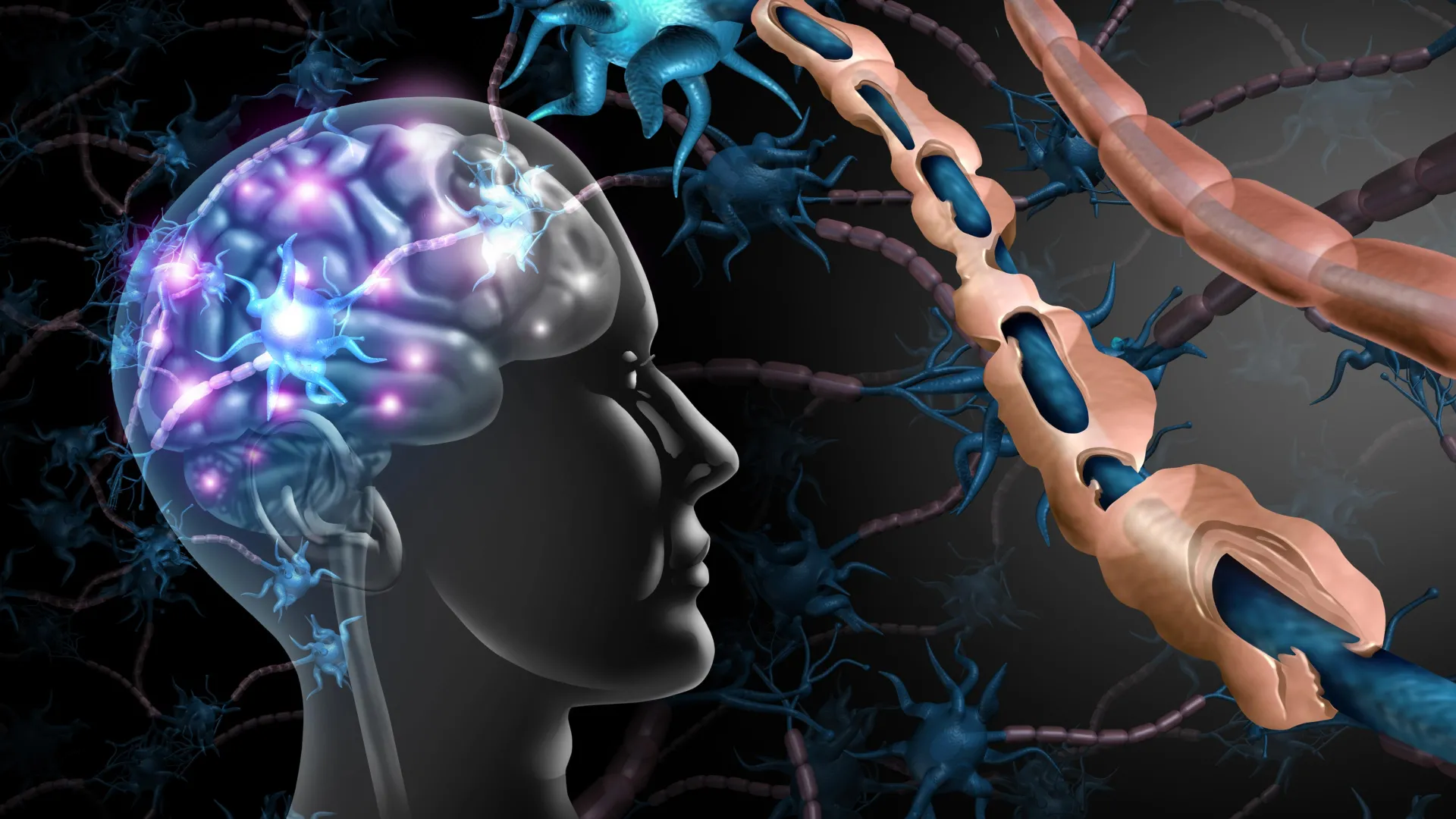
- Oligodendrocytes become dysfunctional with age, producing excessive and unhealthy myelin that damages nerve fibers and correlates with faster cognitive decline in humans.
- University of Edinburgh researchers analyzed brain tissue from the Lothian Birth Cohort 1936 and found that individuals with greater cognitive decline had fewer large nerve fibers and abnormal myelin buildup.
- NRF2 protein levels were lower in oligodendrocytes of people with severe cognitive decline, and mouse experiments showed that reducing NRF2 led to myelin overproduction and cognitive deficits.
- Existing drugs targeting the NRF2 pathway, including one used for multiple sclerosis, may be repurposed to treat age-related cognitive decline due to shared biological mechanisms.
- Veronique Miron stated the discovery offers a potential new therapeutic strategy to preserve cognitive ability in aging, as no current treatments exist for age-related cognitive decline.
Why it matters: Older adults stand to benefit if NRF2-targeting drugs prove effective, turning a cellular process once thought protective into a treatable driver of decline. With cognitive deterioration affecting millions and no existing therapies, even modest interventions could reduce personal and healthcare burdens significantly.
Ask SkimNews