Xiaomi YU7 GT Sets First Autonomous Nürburgring Record — SkimNews
Get the Tech newsletter
Daily tech — startups, AI labs, chips, the launches that shape the next decade. Free.
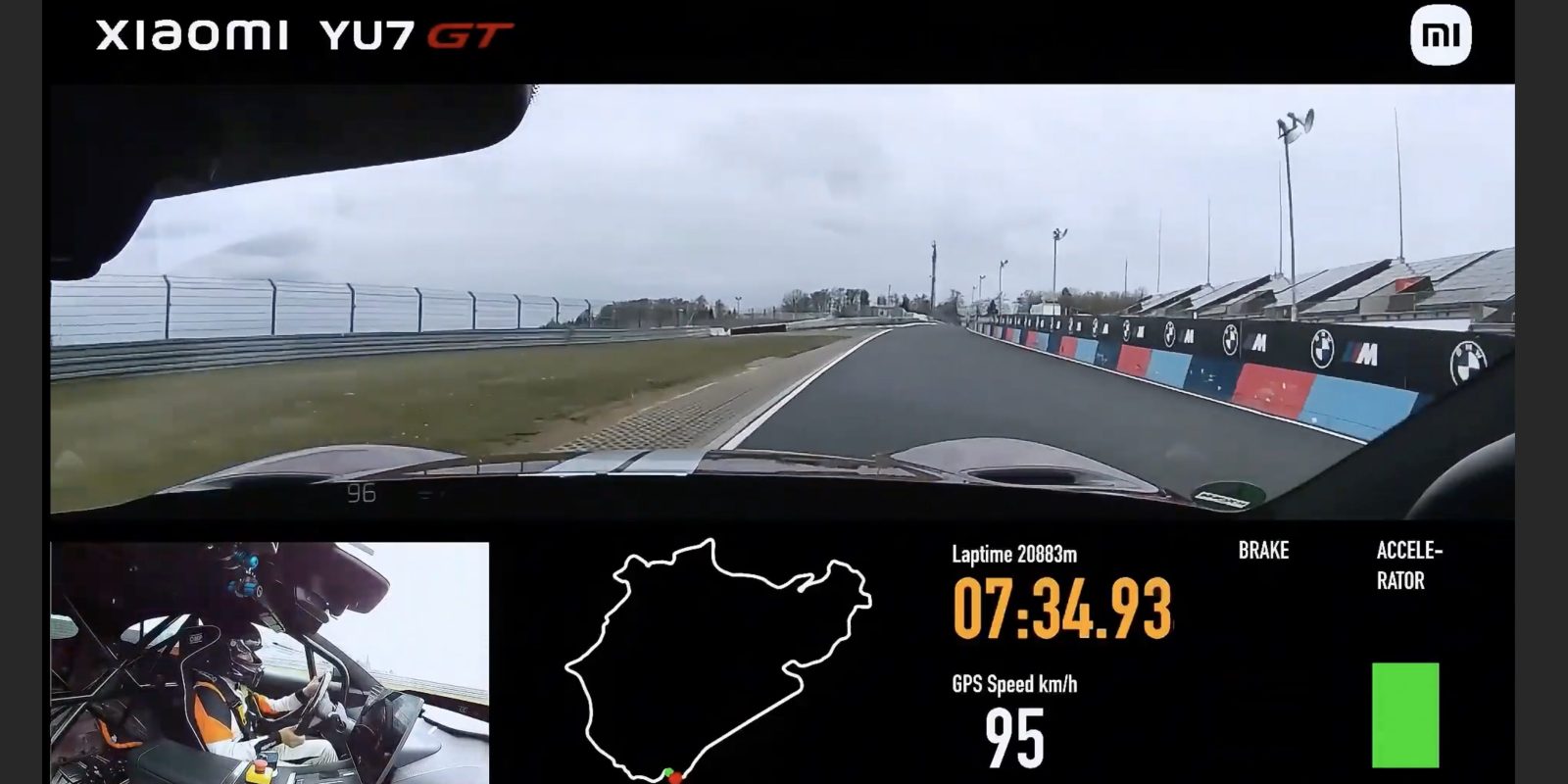
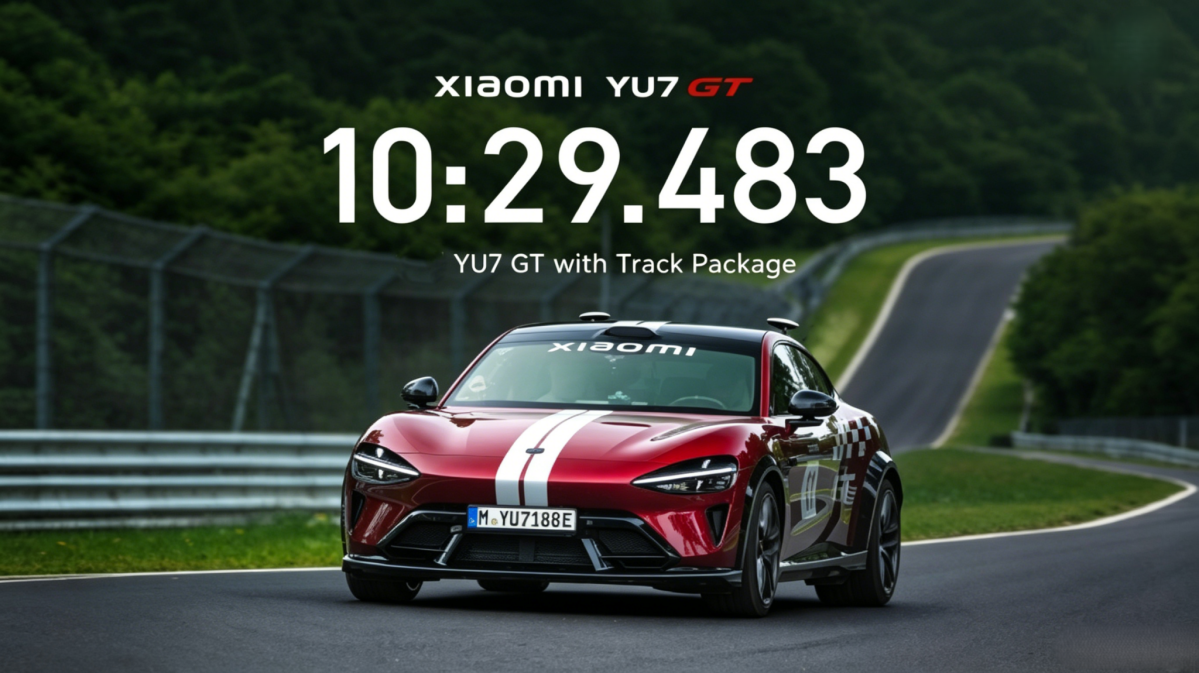
- Xiaomi set the first officially-timed autonomous lap of the Nürburgring on June 8 in its YU7 GT, recording a time of 10:29.483 with an empty driver's seat visible on in-car video
- The YU7 GT's autonomous run reached 130 mph (210 km/h) on the back straight, though the car did not aggressively challenge apexes or tire limits in the released video
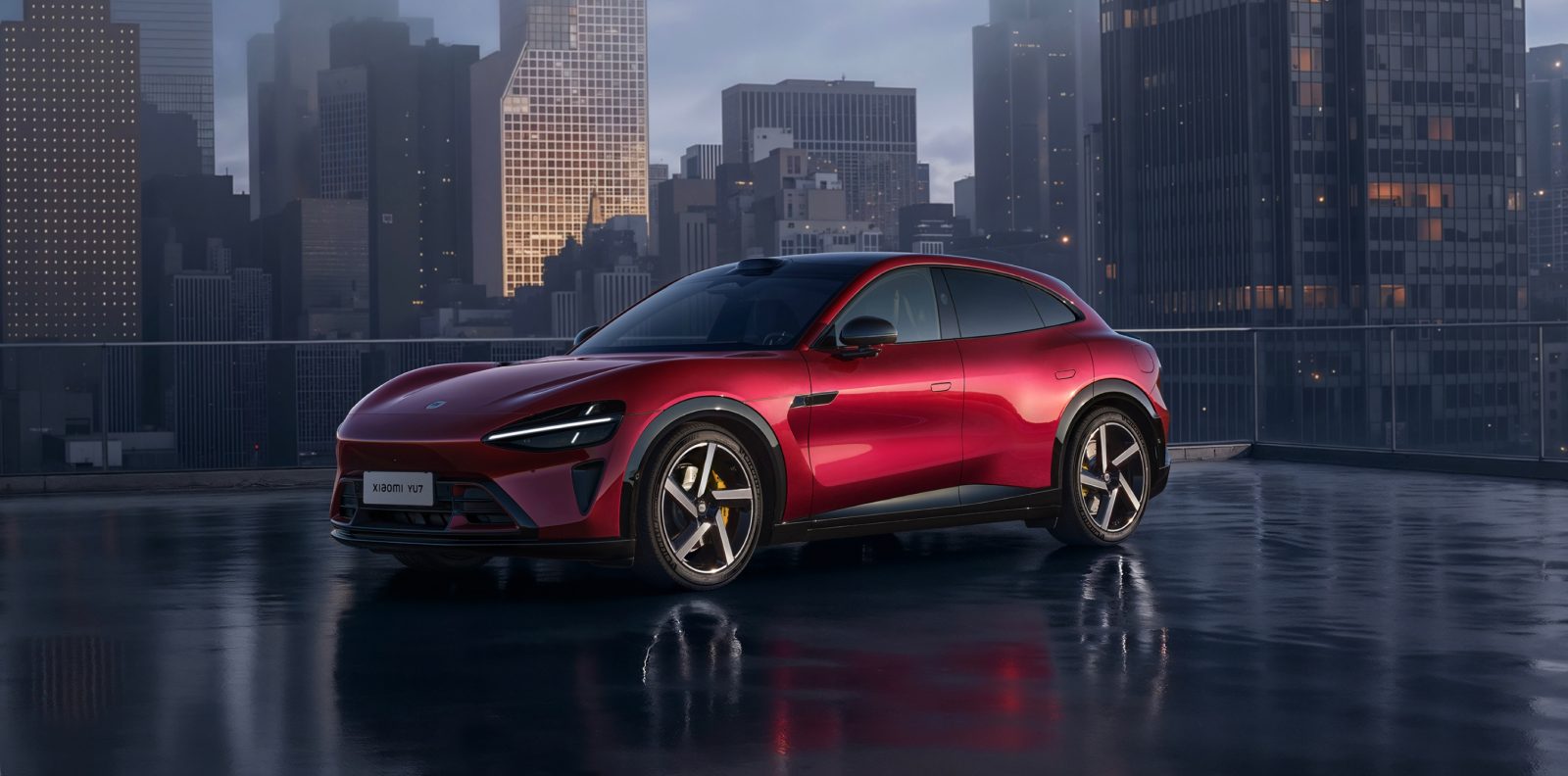
- Xiaomi's autonomous time trailed its own human-driven YU7 GT SUV record of 7:22.755 by roughly three minutes — a gap the article contextualizes as comparable to vehicles like a 1939 Mercedes racecar or Ford Transit van
- Xiaomi framed the autonomous lap as a "starting point, not an end point," and the article notes the car likely ran custom software since its production autonomous system is built for public roads, not 130 mph track driving
- Earlier autonomous racing efforts including Formula E's Roborace series (launched roughly a decade ago) got within about 8% of representative human lap times, considerably closer than the YU7 GT's gap, though Roborace's events were plagued by crashes and never delivered true wheel-to-wheel racing
- The YU7 GT previously set the overall Nürburgring SUV record (gas or electric) with a human driver, and Xiaomi's SU7 Ultra also held records for fastest four-door car and production EV before being beaten
Why it matters: Xiaomi becomes the first automaker to post an official Nürburgring autonomous lap time, but the three-minute gap to its human-driven SUV record shows how far production-derived autonomous stacks still lag skilled drivers on a demanding circuit — even as Xiaomi joins Roborace and the Indy Autonomous Challenge in trying to turn autonomous lap times into a competitive benchmark.
Ask SkimNews