Wildlife trade: mammals 1.5× more likely to share germs — SkimNews

Get the Health newsletter
Daily health & science — research, biotech, public health, the studies worth knowing. Free.
- Cleo Bertelsmeier led a 40‑year analysis that found wild mammals traded internationally are 1.5 × more likely to share at least one pathogen with humans than non‑traded species.
- Jérôme Gippet reported that each additional decade a species spends in trade adds, on average, one new pathogen to its human‑sharing profile.
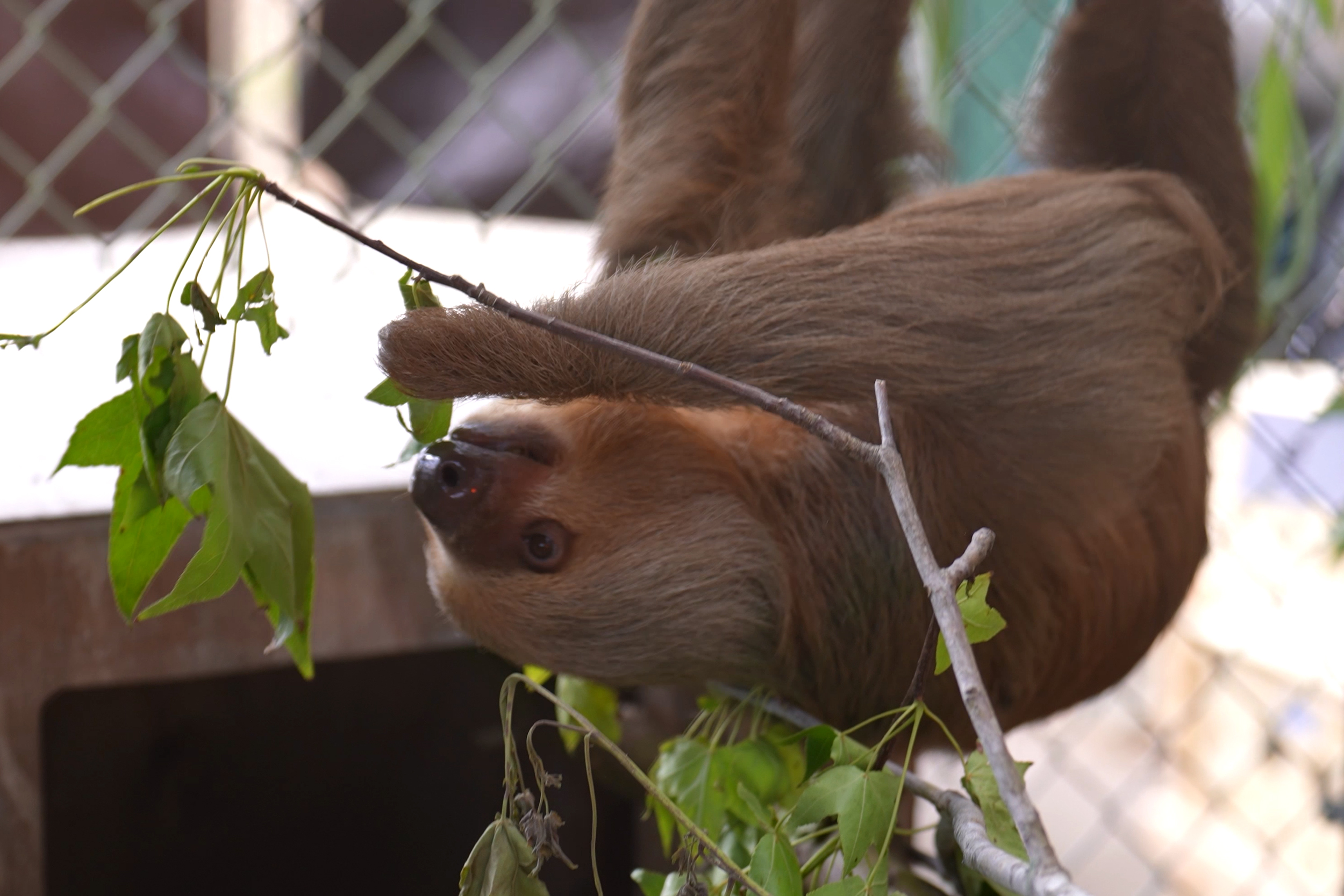
- Illegal and live wildlife trade (e.g., exotic pets) carries a higher transmission risk than legal or product‑only trade, according to the study.
- CITES currently focuses solely on preventing species extinction, but the researchers argue it should also address biosurveillance to curb disease emergence.
- University of Lausanne and U.S. collaborators (Yale, Maryland, Idaho) published the findings in Science, emphasizing that reducing trade volume can limit human‑animal pathogen encounters.
Why it matters: Public‑health officials gain a quantifiable metric to prioritize surveillance, while wildlife‑trade industries face heightened scrutiny; reducing trade volume could lower the odds of future pandemics and could protect billions of people worldwide, prompting policymakers to expand CITES mandates beyond extinction prevention.
Ask SkimNews