More Than Half of England Declared in Drought — SkimNews
Get the Energy newsletter
Daily energy & climate — solar, EVs, oil, the policy fights and tech bets shaping the transition. Free.
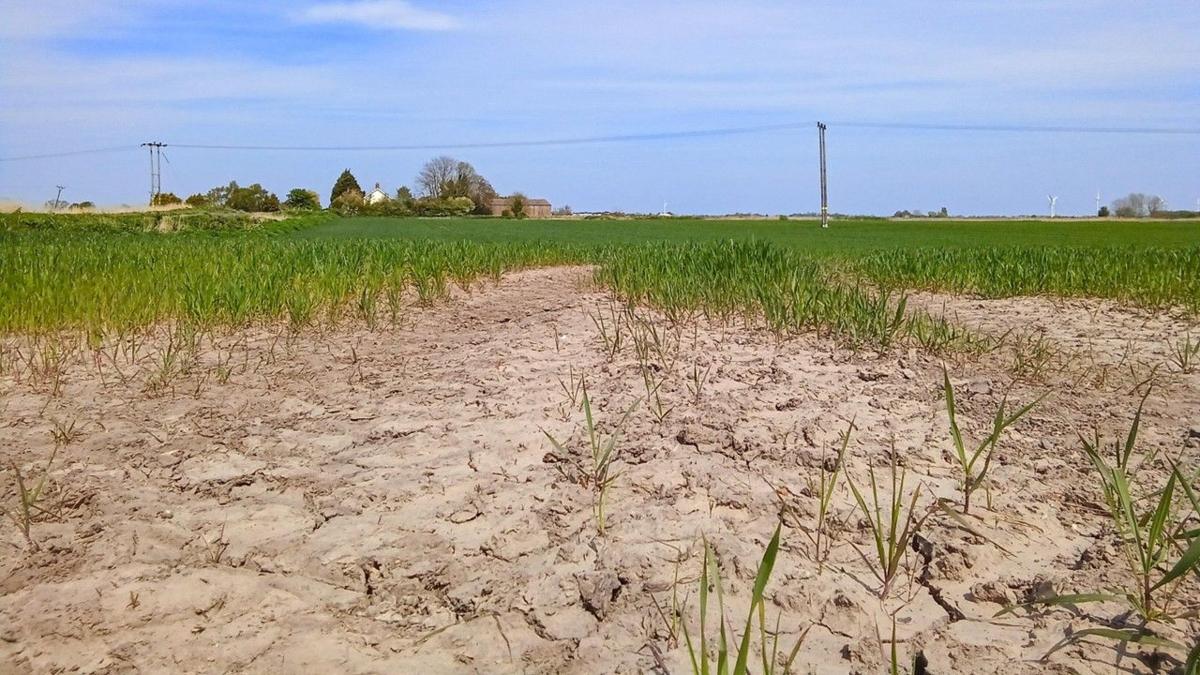
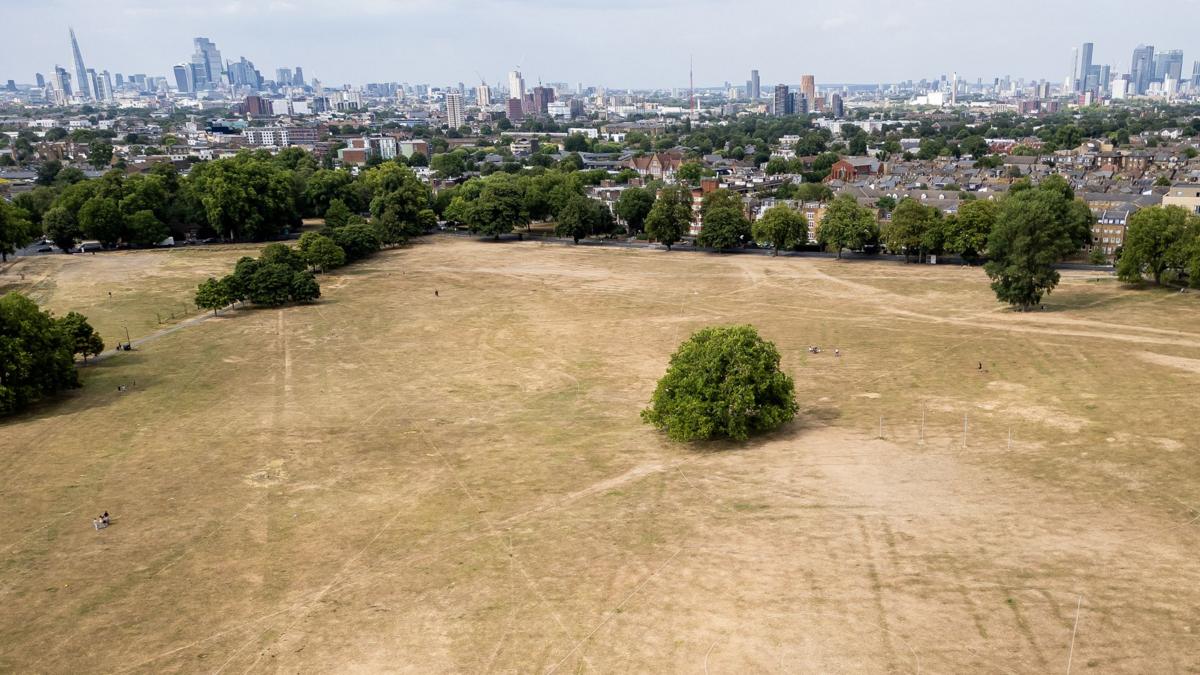
- Environment Agency declared drought across more than half of England, covering central, eastern and southern regions including East Anglia, London, the Thames Valley, Hampshire and Isle of Wight, Devon and Cornwall, the West Midlands, and Wessex.
- More than 20 million people are already under hosepipe bans, with the EA warning that further restrictions on water use may follow the formal declaration.
- July rainfall has reached just 7% of the England average and only 1% across southern England, with parts of Devon and Hampshire going more than a month without rain, according to the EA and Met Office.
- The Met Office confirmed the UK's June temperature record has been revised upward to 38.0°C at Lingwood, Norfolk on 26 June 2026, surpassing the previous June high of 35.6°C.
- More than 200 wildfire incidents have been reported across England and Wales in the past two weeks, with amber and yellow heat health alerts in force and temperatures forecast to peak at 35°C in south-east England.
- Prof Hayley Fowler of Newcastle University attributed the drought to hotter temperatures from climate change, rising water demand, ageing infrastructure, and water lost through leaks, while NFU deputy president Paul Tompkins said farmers are experiencing 'climate change in action,' making food production 'riskier and more costly.'
Why it matters: This is England's third drought in five years (2022, 2025, 2026), with the EA warning that public water supplies could face a 5-billion-litre-per-day shortfall by mid-century without urgent action. The declaration triggers tighter monitoring and potential new hosepipe bans, while farmers warn of direct hits to national food security and scientists tie the conditions to climate-driven 'flash drought' patterns.
Ask SkimNews