Russia’s allies are more helpful than Ukraine’s — SkimNews

Get the Geopolitics newsletter
Daily geopolitics — wars, elections, sanctions, the diplomatic moves that move markets. Free.
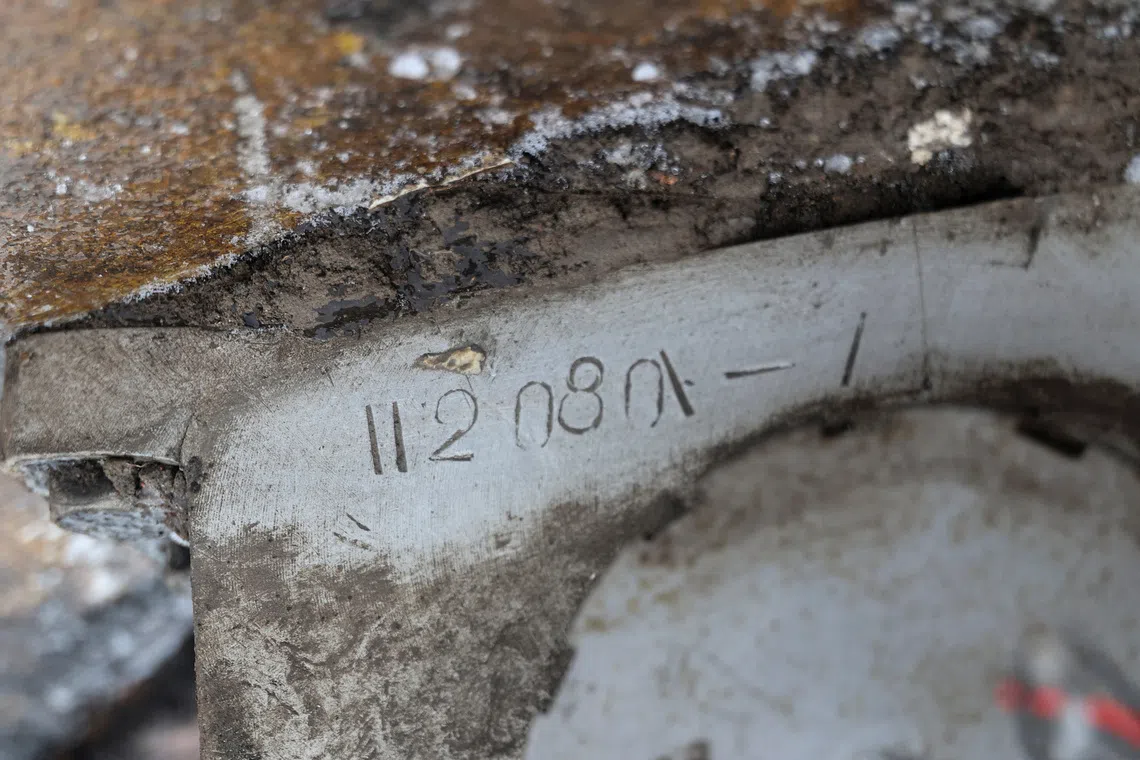
- North Korea is deploying a ballistic missile force to Russia, with Ukrainian intelligence reporting on August 5 that the first unit would position near Voronezh with 120 ballistic missiles and six launchers
- Zelensky said 30,000-50,000 additional North Korean troops may be deployed, and attributed a Russian missile strike on Zaporizhzhia that killed 9 people to North Korean missile forces
- Russia's allies have delivered concrete, no-strings military support: Iranian Shahed drone technology, Chinese oil purchases and component supplies, and North Korean artillery shells, frontline soldiers, and now ballistic missiles
- South Korea issued only one official statement calling the North Korean deployment illegal with no concrete aid pledges, while Japan and European partners largely remained silent on the development
- Vice President JD Vance asked Zelensky on July 31 to halt Ukrainian attacks on tankers near the CPC terminal at Novorossiysk, and Ukraine complied — effectively ending a campaign that had been targeting Russia's oil export infrastructure
- Russia has reportedly provided missile technology improvements to North Korea and helped Iran target US forces in the Middle East, creating a mutually reinforcing alliance structure that contrasts with the conditional, limiting support Ukraine receives
Why it matters: Russia's war effort is sustained by allies who give aggressively and unconditionally, while Ukraine's backers — including the US, which just pressed Zelensky to halt tanker strikes at Novorossiysk — have constrained their support. North Korea's 120-missile deployment gives Pyongyang a live combat testing ground for ballistic missiles it could later aim at South Korea and Japan, while leaving Ukraine's partners still calculating about escalation rather than helping it win.
Ask SkimNews