Renewables to reach 40% of total generating capacity, beat gas within a year – EIA — SkimNews
Get the Energy newsletter
Daily energy & climate — solar, EVs, oil, the policy fights and tech bets shaping the transition. Free.
- EIA projects renewables' share of US utility-scale generating capacity rising from 34.5% on Sept. 1, 2026 to 37.3% by Aug. 31, 2027, with net utility-scale additions of 53,117.3 MW — nearly 44% above the 36,971.8 MW added in the prior 12 months — as SUN DAY Campaign executive director Ken Bossong said the growth of solar, wind and battery storage “has become unstoppable.”
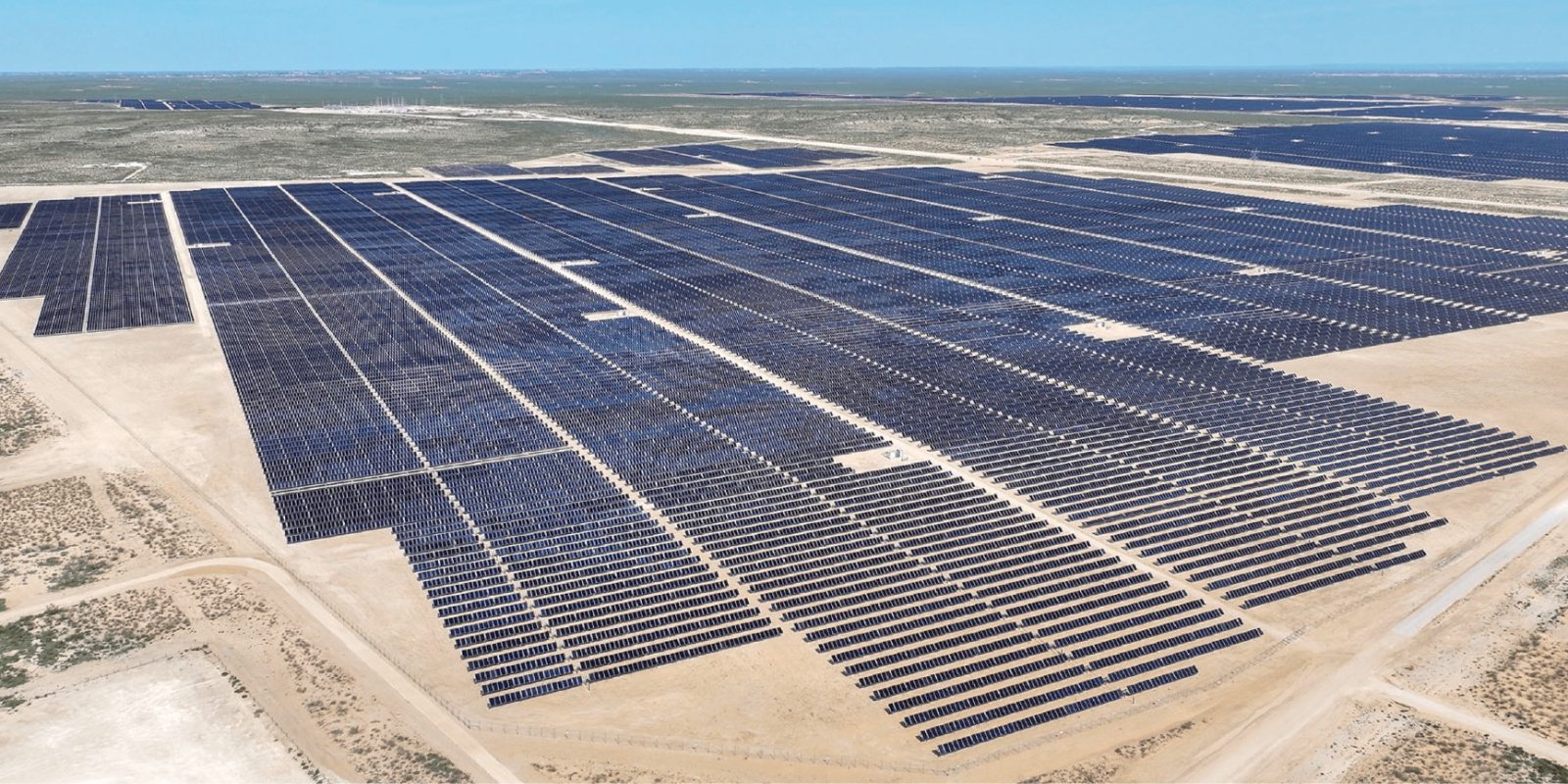
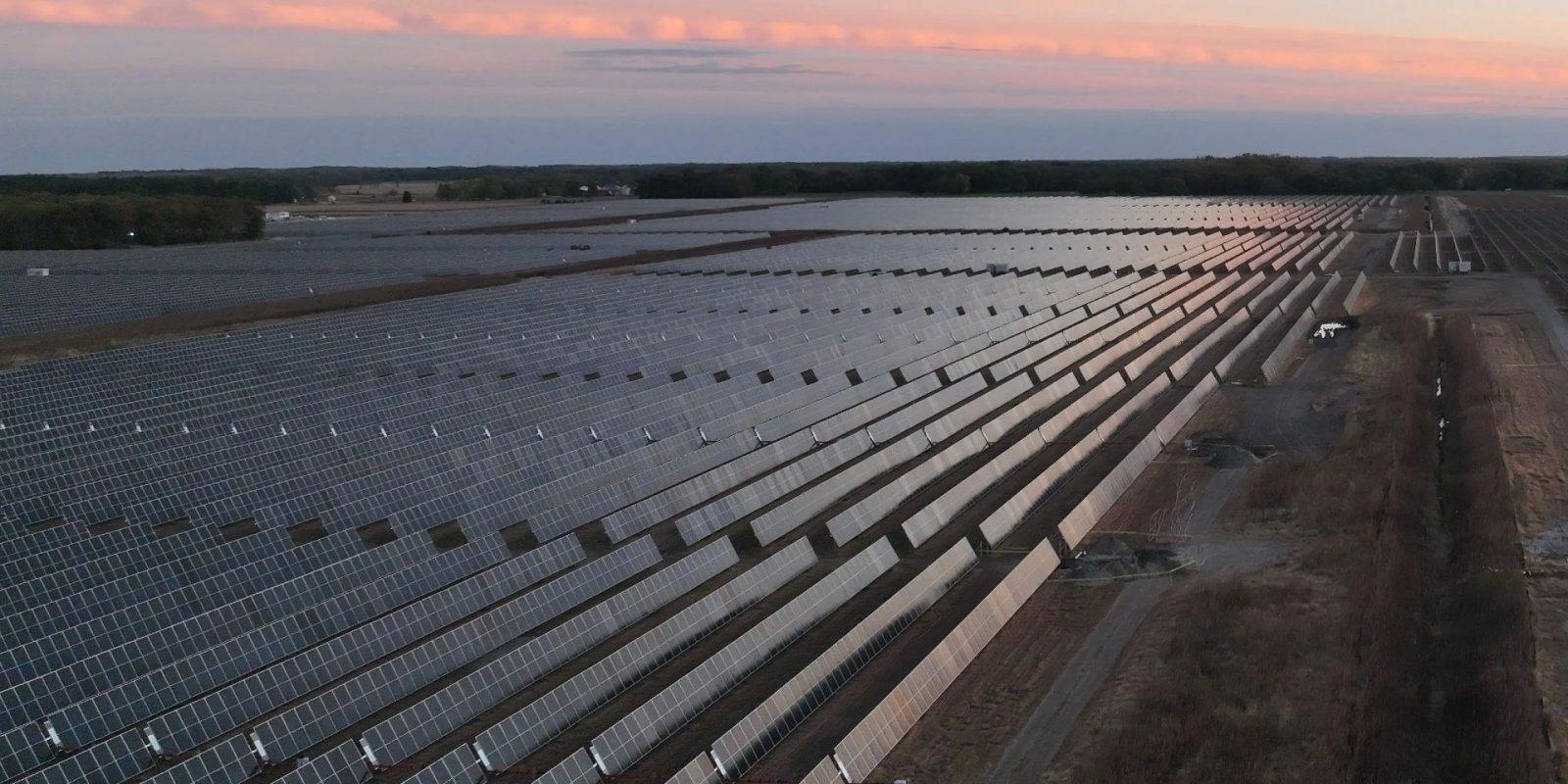
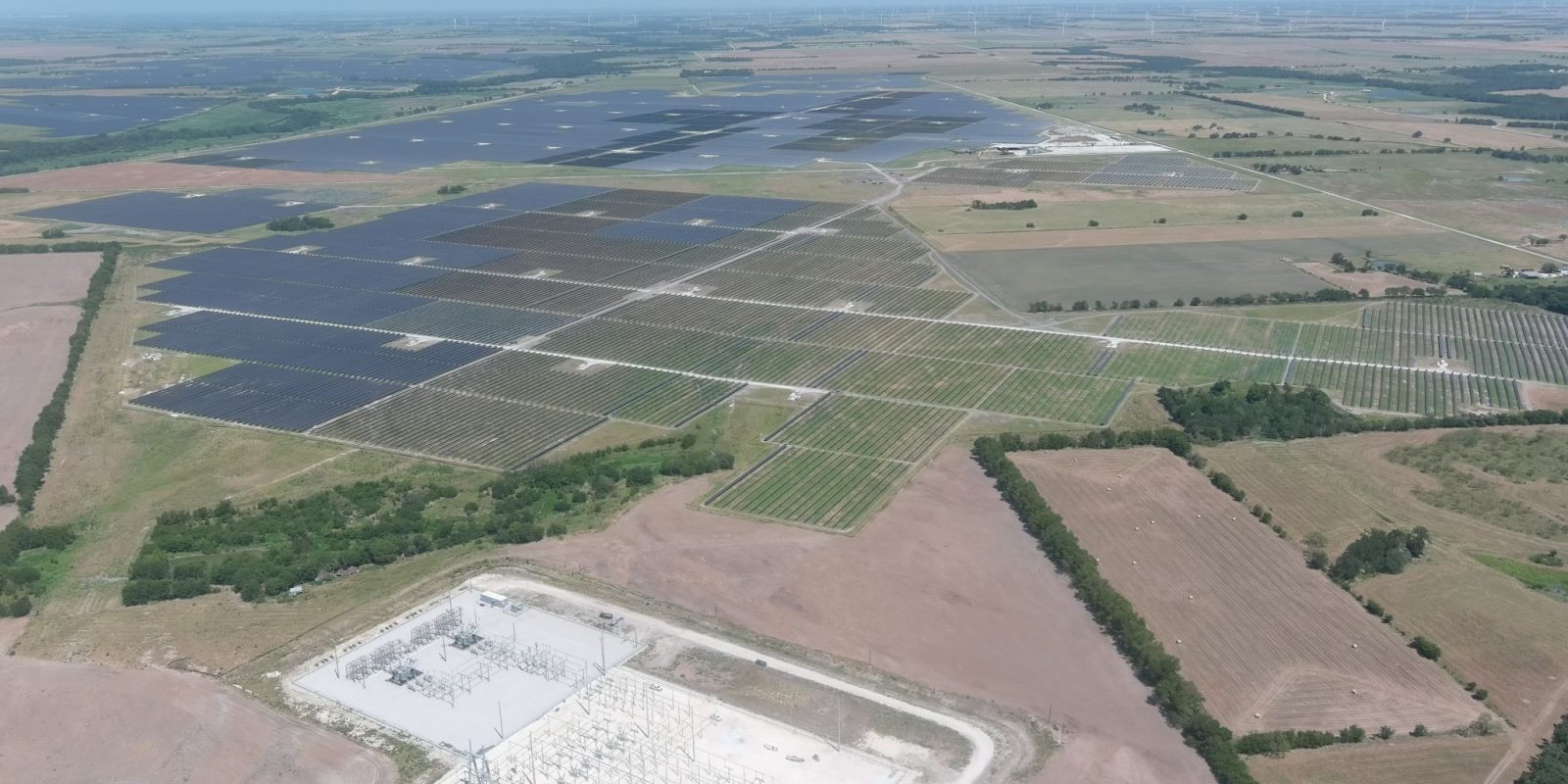
- Utility-scale solar leads the forecast with 44,603.1 MW of new capacity, lifting its share of US generating capacity from 13.4% to 16.5% by Aug. 31, 2027.
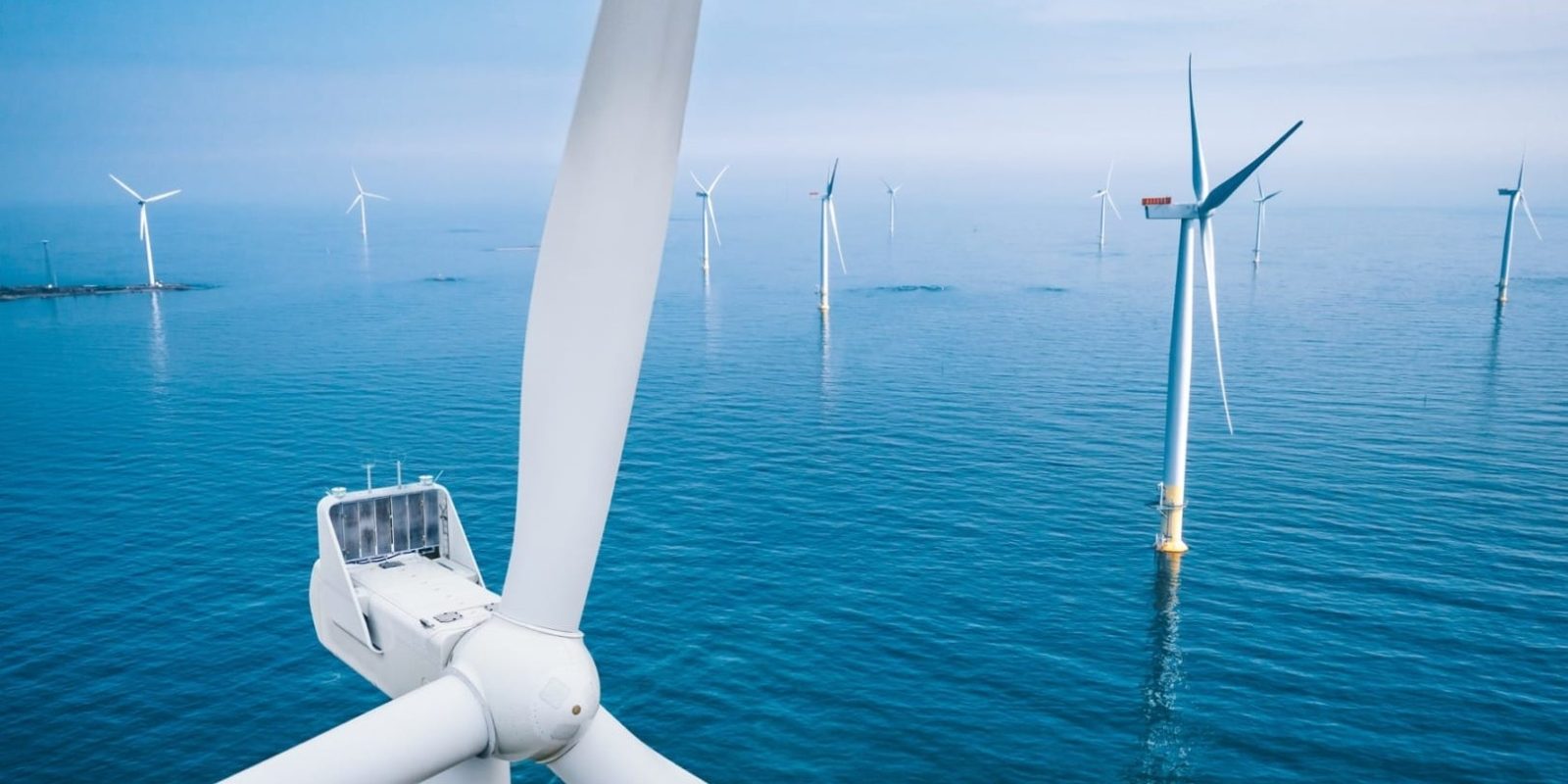
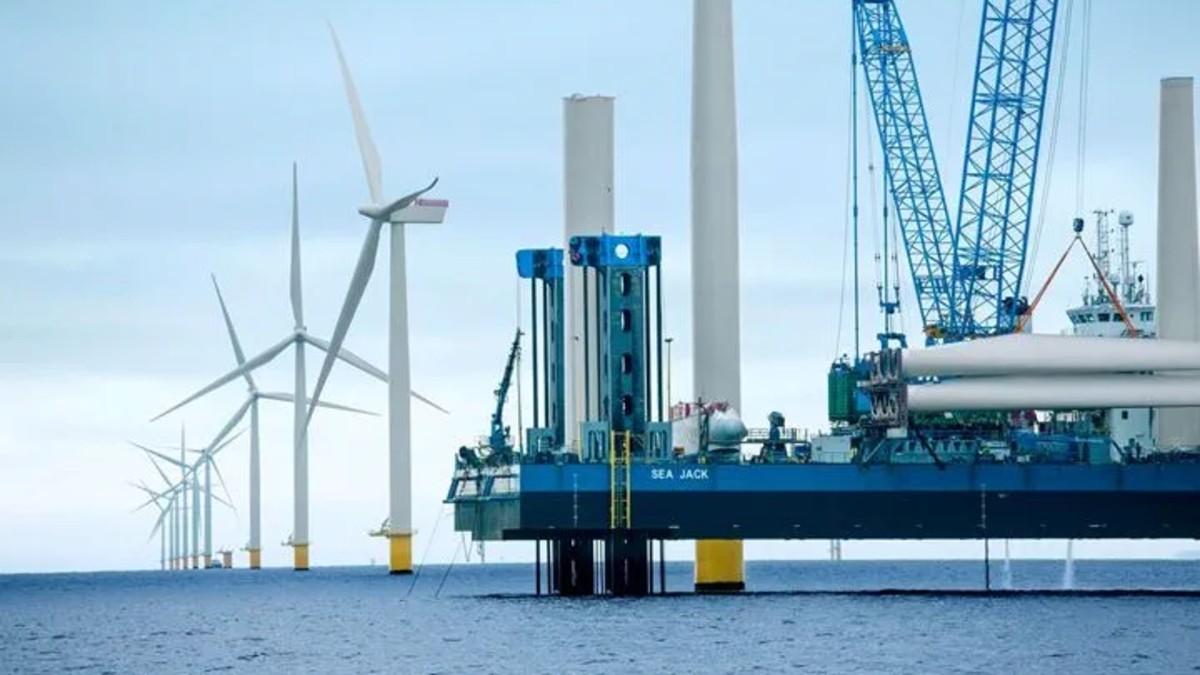
- Wind adds 8,312.3 MW over the same forecast period, including 3,355.0 MW of offshore wind, with its capacity share edging from 13.4% to 13.5%, while EIA projects no new nuclear generating capacity and a net decline of 1,997.0 MW in fossil fuel capacity.
- Renewables expanded installed capacity by 43,497.9 MW between Sept. 1, 2025 and Aug. 31, 2026 — utility-scale solar +27,141.7 MW, wind +9,979.1 MW including 800 MW offshore, small-scale solar +6,526.1 MW — nearly 17 times the 2,612.6 MW of net new fossil and nuclear capacity, with coal capacity down 2,703.4 MW and natural gas up 5,316.0 MW.
- Renewable generation grew 10.2% year over year in the first two-thirds of 2026 and supplied 28.1% of US electricity through August, up from 26.2% a year earlier; wind produced 333,367 GWh (10.6% of generation) to solar's 329,119 GWh (10.5%), and together they generated 44.4% more electricity than coal and 24.8% more than nuclear, while coal output fell 8.7% and gas rose 2.6%.
- Battery storage is forecast to grow 43.7% to 77,753.2 MW by Sept. 1, 2027, adding 23,656.2 MW; combined with 53,117.3 MW of new utility-scale renewables, that is 76,773.5 MW of clean capacity additions — up to 82.8 GW if the campaign's assumed small-scale solar is counted.
- SUN DAY Campaign projects renewables will surpass natural gas by summer 2027, but EIA provides no small-scale solar forecast: the campaign assumes roughly 6,000 MW based on a five-year average of 6,400 MW annually, which would put renewables near 550,000 MW versus projected natural gas capacity of 518,312.8 MW.
Why it matters: Renewables grew generation 10.2% over the past year while gas managed 2.6% and nuclear 1.3%, and capacity added last year was nearly 17 times net new fossil and nuclear combined (43,497.9 MW vs. 2,612.6 MW). Coal, whose output fell 8.7% and capacity dropped 2,703.4 MW, is the clearest loser in the mix.
Ask SkimNews