Glioblastoma breakthrough reveals how brain cancer cells become more aggressive — SkimNews
Get the Health newsletter
Daily health & science — research, biotech, public health, the studies worth knowing. Free.
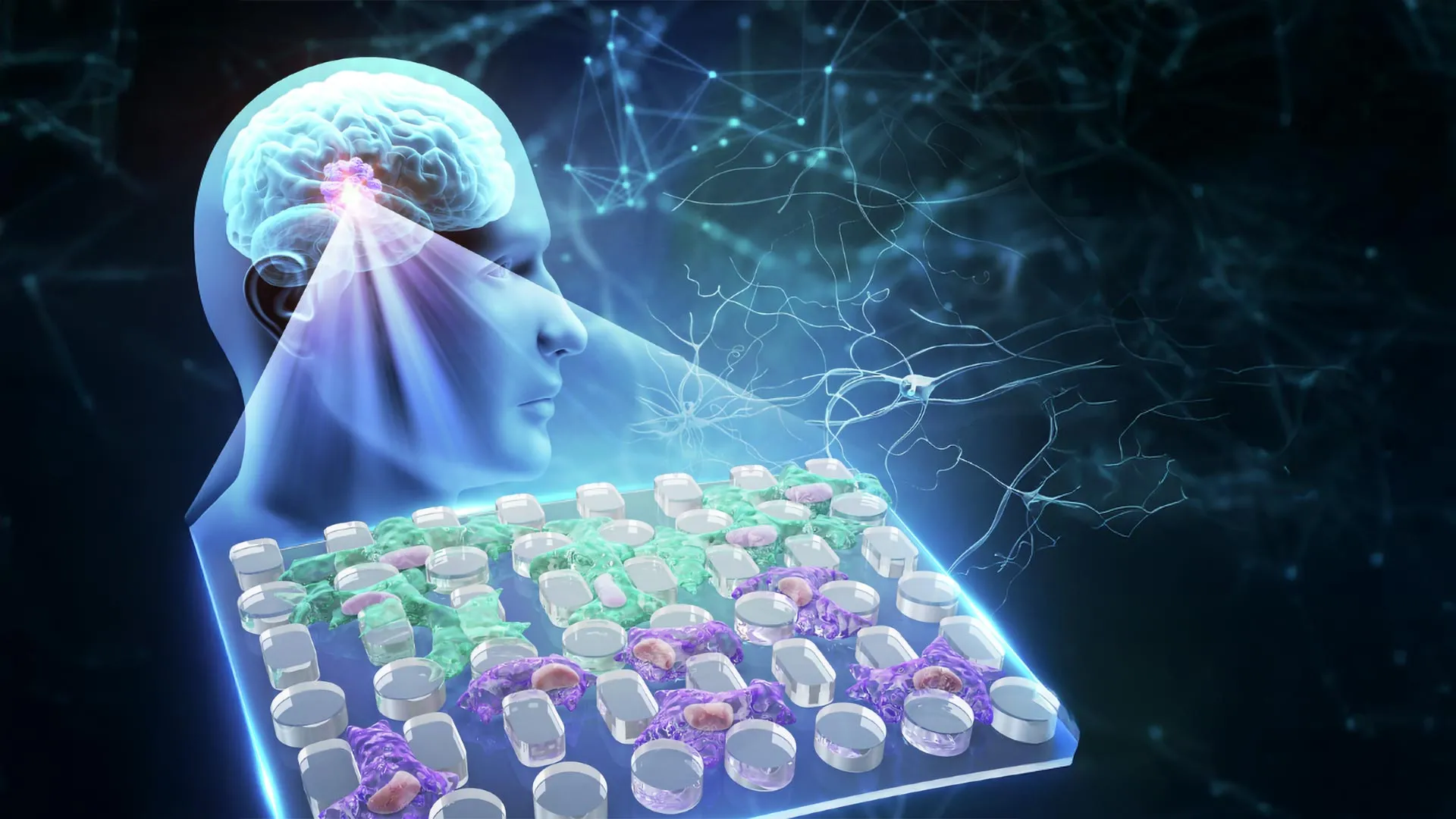
- Chongqing General Hospital and Chongqing University researchers developed an open microfluidic platform that mimics the high-viscosity environment at glioblastoma tumor edges, enabling long-term observation of cancer cell behavior under mechanical stress
- Glioblastoma cells (U-251 and LN-229 lines) became smaller and more flexible after one month in fluid replicating tumor-edge viscosity (7.1 cP), allowing faster movement through narrow spaces even after returning to normal conditions
- YAP protein accumulated in the nuclei of adapted glioblastoma cells, indicating activation of mechanical stress response pathways that may contribute to lasting invasive capabilities
- U-251 cells underwent mesenchymal-like reprogramming with increased expression of invasion-linked genes (CD44, FN1, MMP9), while LN-229 cells showed similar physical changes without major gene expression shifts, revealing divergent molecular pathways to aggression
- The open microfluidic chip supports continuous culture for up to one month and allows direct staining and imaging, overcoming limitations of traditional closed systems that restrict oxygen and introduce wall friction
- Prolonged viscosity exposure led to persistent protein-level changes detectable via Western blotting, suggesting a form of mechanical 'cellular memory' that could influence how tumors spread beyond their original physical environment
Why it matters: This discovery shifts focus to fluid viscosity as a driver of glioblastoma invasion, not just a barrier—meaning treatments targeting mechanical adaptation pathways like YAP signaling or cytoskeleton remodeling could disrupt a previously overlooked mechanism of cancer spread, potentially improving outcomes for patients facing this aggressive brain tumor.
Ask SkimNews