BRICS Signs New Delhi Declaration Despite Deep Rifts — SkimNews
Get the Geopolitics newsletter
Daily geopolitics — wars, elections, sanctions, the diplomatic moves that move markets. Free.
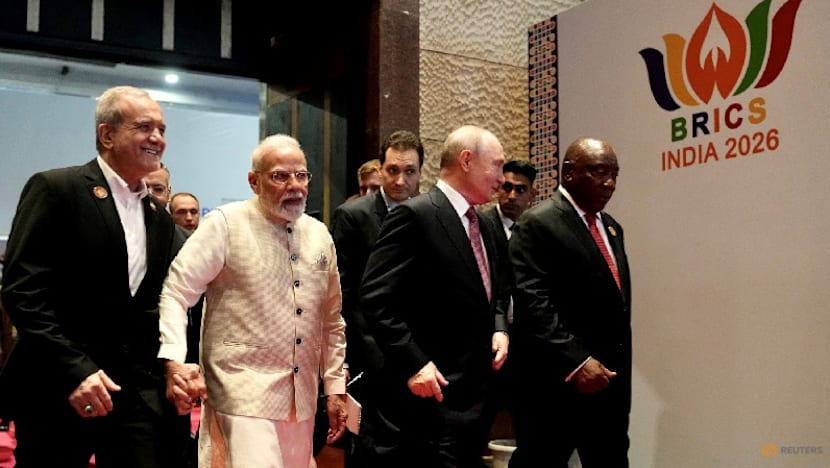
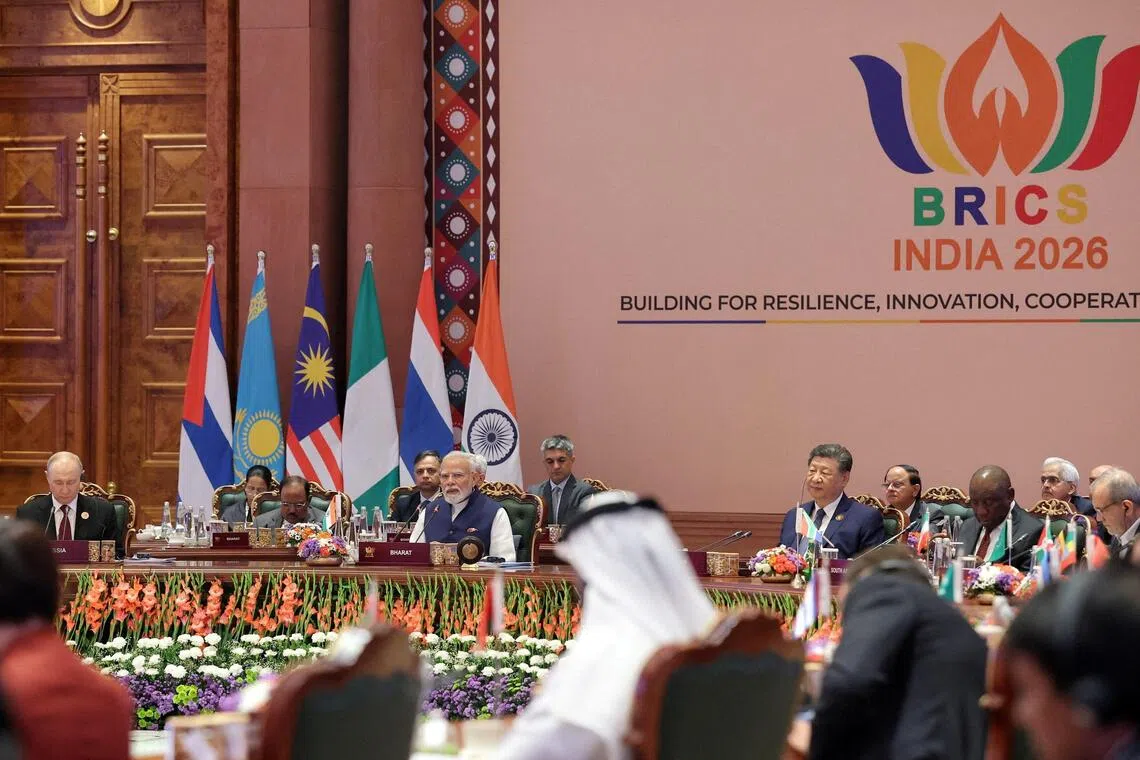
- BRICS concluded its 18th summit in New Delhi with a leaders declaration signed by all ten members, including China, India, Russia, and South Africa, despite deep divisions highlighted by Iran and the UAE's failure to agree on a joint foreign ministers' statement months earlier.
- Middle East language was significantly diluted: the 2025 Rio declaration condemned military strikes on Iran since June 13, 2025, while the New Delhi text merely expressed "deep concern" and called for "maximum restraint," reflecting the war's escalation to include the UAE as a combatant since late February 2026.
- All references to the Ukraine conflict were dropped from the declaration, breaking from BRICS practice of mentioning it consistently since Russia's 2022 invasion; last year's text had even included language largely reflecting the Russian position on Ukrainian attacks.
- A new paragraph on Cuba expressed "deep concern" over "unilateral blockade measures" and their "adverse effects on the Cuban economy," a clear nod to Havana's concerns since being elevated to BRICS partner-country status.
- The declaration made no reference to the U.S.-initiated "Board of Peace," despite BRICS members Egypt, Indonesia, and the UAE sitting on it alongside partner countries Kazakhstan and Vietnam.
- Strong language criticized "unilateral coercive measures" and sanctions as undermining international law and the UN Charter — a clear dig at the United States and European allies that resonates with Global South states vulnerable to the U.S.-led sanctions regime.
Why it matters: India pulled off a diplomatic feat by getting ten deeply divided members to sign a unified text, but the cost was substantive policy concessions: the watered-down Middle East language, dropped Ukraine references, and silence on the U.S.-led "Board of Peace" show BRICS members prioritizing institutional unity over geopolitical clarity at the exact moment the bloc's expansion phase demands it define its stance.
Ask SkimNews