England and Wales soils face six more months of deficit — SkimNews

Get the Energy newsletter
Daily energy & climate — solar, EVs, oil, the policy fights and tech bets shaping the transition. Free.
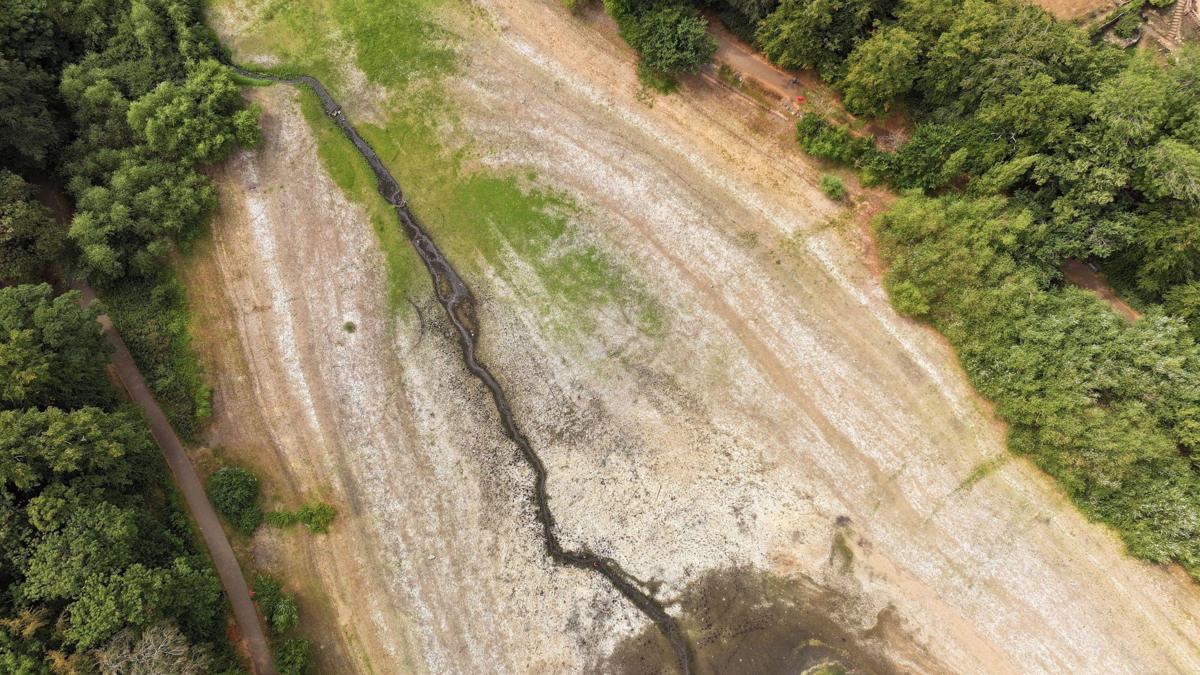
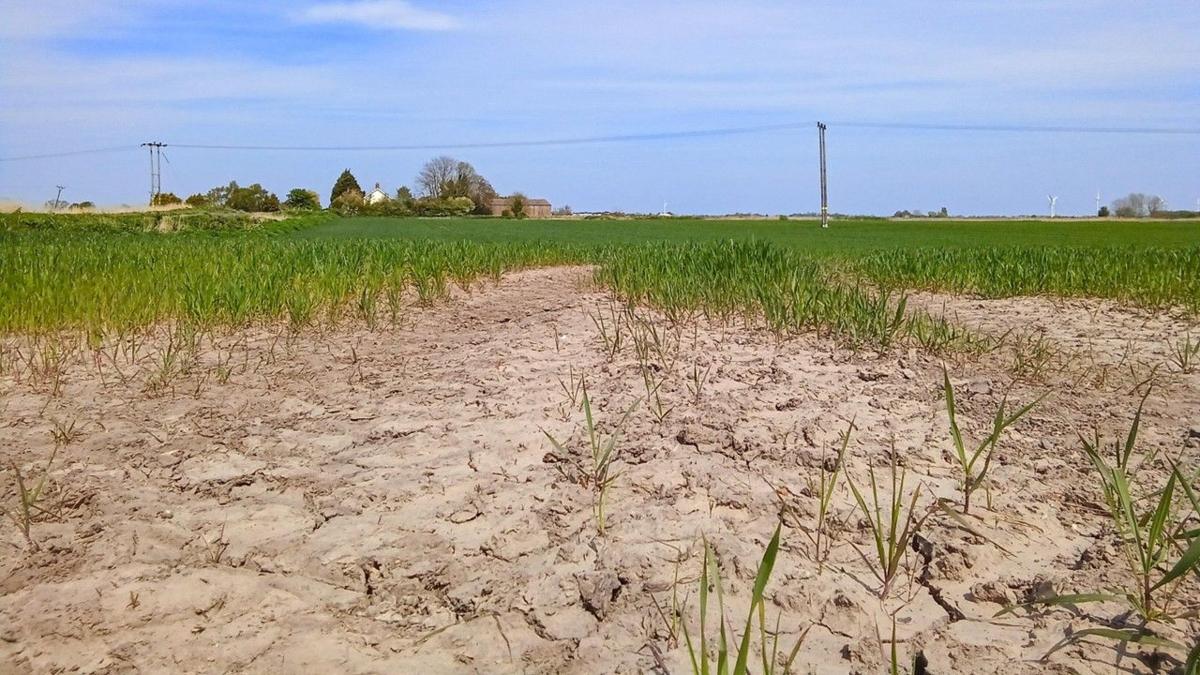
- UK Centre for Ecology and Hydrology reports water storage deficits across much of England and Wales, with the driest parts of southern England requiring "unusually high rainfall" to close the gap by the end of this month.
- The centre predicts these soil moisture deficits are likely to persist over the next six months, even as soils in western Scotland run slightly wetter than average for the time of year.
- Southern England soils typically hit a summer soil moisture deficit of about 100mm, climbing to 150mm or more in dry years, against a winter baseline near zero.
- Soil moisture deficit is measured in millimetres of rainfall needed to return soil to field capacity — a metric the article argues is more useful than raw moisture content because soil type changes what a given percentage means.
- The same percentage can sit at field capacity in sandy soil or at the permanent wilting point in heavy clay, which locks up moisture far less accessibly to plants.
- Extreme drought triggers a "surge year" in which clay soils dry, shrink and crack, shifting the ground and driving a spike in subsidence claims against buildings.
Why it matters: Farmers, water utilities and insurers across England and Wales are looking at a deficit UKCEH says won't close naturally within six months, with the driest southern areas needing 'unusually high rainfall' just to recover by month's end. The same clay-soil physics that defines the deficit also drives surge-year subsidence events, putting buildings in those regions at structural risk if conditions worsen.
Ask SkimNews