India Suspends Indus Waters Treaty Over Transparency — SkimNews

Get the Geopolitics newsletter
Daily geopolitics — wars, elections, sanctions, the diplomatic moves that move markets. Free.
- India placed the Indus Waters Treaty in abeyance following the April 2025 Pahalgam attack and subsequent hostilities.
- Indus Waters Treaty has endured six decades of wars, military crises and recurring hostility between India and Pakistan, and is widely regarded as a durable transboundary water‑sharing framework.
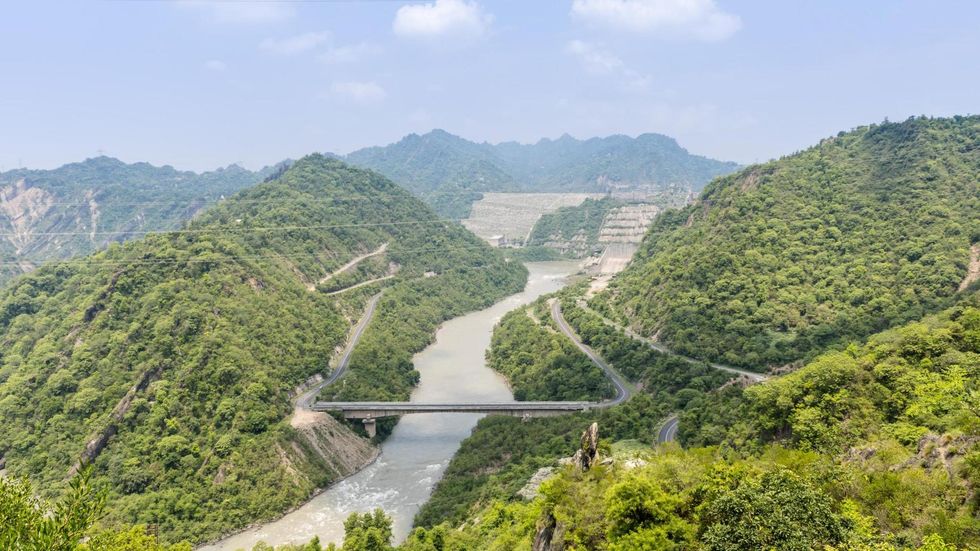
- Kishanganga Hydroelectric Project reignited dispute over environmental flows and highlighted the loss of transparency and data‑sharing obligations under the treaty.
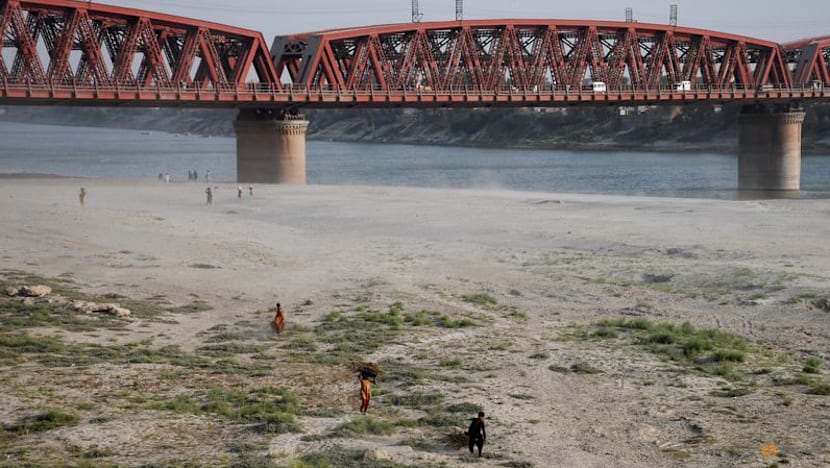
- Pakistan depends on the Indus Basin for roughly 90% of its food production and 80% of cultivated land, making any uncertainty in river flows a major economic risk.
- Mekong River disputes illustrate how limited upstream data from China hampers downstream nations like Thailand and Laos in drought management, flood forecasting and agricultural planning.
- Hydrological information is increasingly viewed as a strategic resource, with its erosion potentially turning technical water disputes into broader political and security conflicts.
Why it matters: India’s suspension of the treaty jeopardises Pakistan’s agricultural output and food security, while the loss of shared hydrological data undermines the institutional trust that has kept the Indus Basin stable, raising the risk of water‑related political conflict and could destabilise regional security dynamics.
Ask SkimNews