US May Have to Accept Iranian Tolls on Hormuz — SkimNews

Get the Geopolitics newsletter
Daily geopolitics — wars, elections, sanctions, the diplomatic moves that move markets. Free.
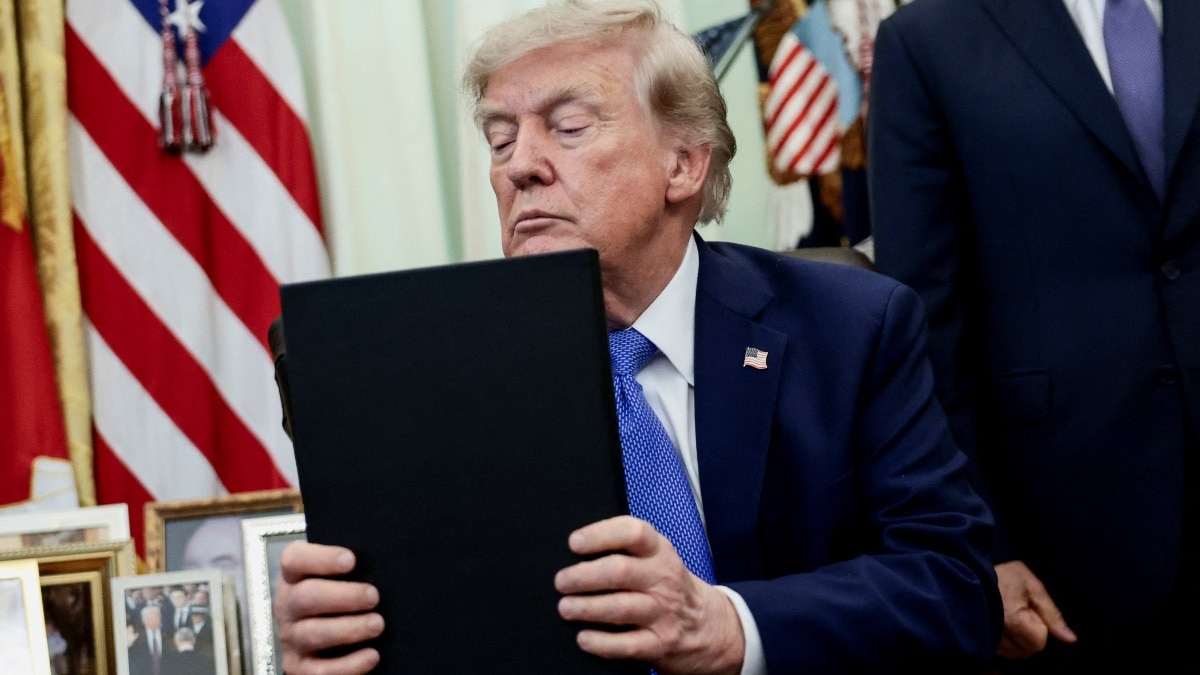
- Trump has repeatedly claimed Iran is begging for a deal to reopen the Strait of Hormuz, but Iran denies direct talks with the U.S., saying discussions are only through Oman.
- U.S. military strikes aimed at degrading Iran’s ability to block the strait have failed, with each attack reinforcing Tehran’s view of the conflict as existential and prompting further retaliation.
- Iran has leveraged its geographic position to restrict maritime traffic, effectively turning control of the strait into a strategic bargaining chip despite U.S. opposition to any toll system.
- Secretary of State Marco Rubio stated the U.S. opposes any fee structure on international waterways, warning it would set a dangerous global precedent if nations could charge passage fees.
- Shipping companies may benefit from a structured fee arrangement, similar to the voluntary fund in the Strait of Malacca, which supports navigation safety and disaster prevention in high-risk zones.
- Gulf Arab states are adapting to reduced strait access by rerouting exports: Saudi Arabia uses its east-west pipeline to the Red Sea, while the UAE increased shipments through Fujairah, now handling 66% of its crude exports.
Why it matters: The U.S. must choose between accepting Iranian-controlled tolls or enduring endless conflict, as military options have failed and regional allies shift to alternative routes. Iran gains leverage and potential revenue—up to 7% of cargo value—while American credibility erodes from a war that strengthened Tehran’s strategic position.
Ask SkimNews