El Niño by Sep Sparks Heat, Drought in India, SE Asia — SkimNews

SkimNews Take
El Niño's return, following years of La Niña-driven weather, could expose regional vulnerabilities to climate extremes that have been masked by the opposite weather pattern.
Get the Energy newsletter
Daily energy & climate — solar, EVs, oil, the policy fights and tech bets shaping the transition. Free.
- UN warned the world must prepare for the imminent return of El Niño and the associated rise in global temperatures and weather extremes.
- World Meteorological Organization said there is an 80 % chance El Niño will form before September and a 90 % chance before November.
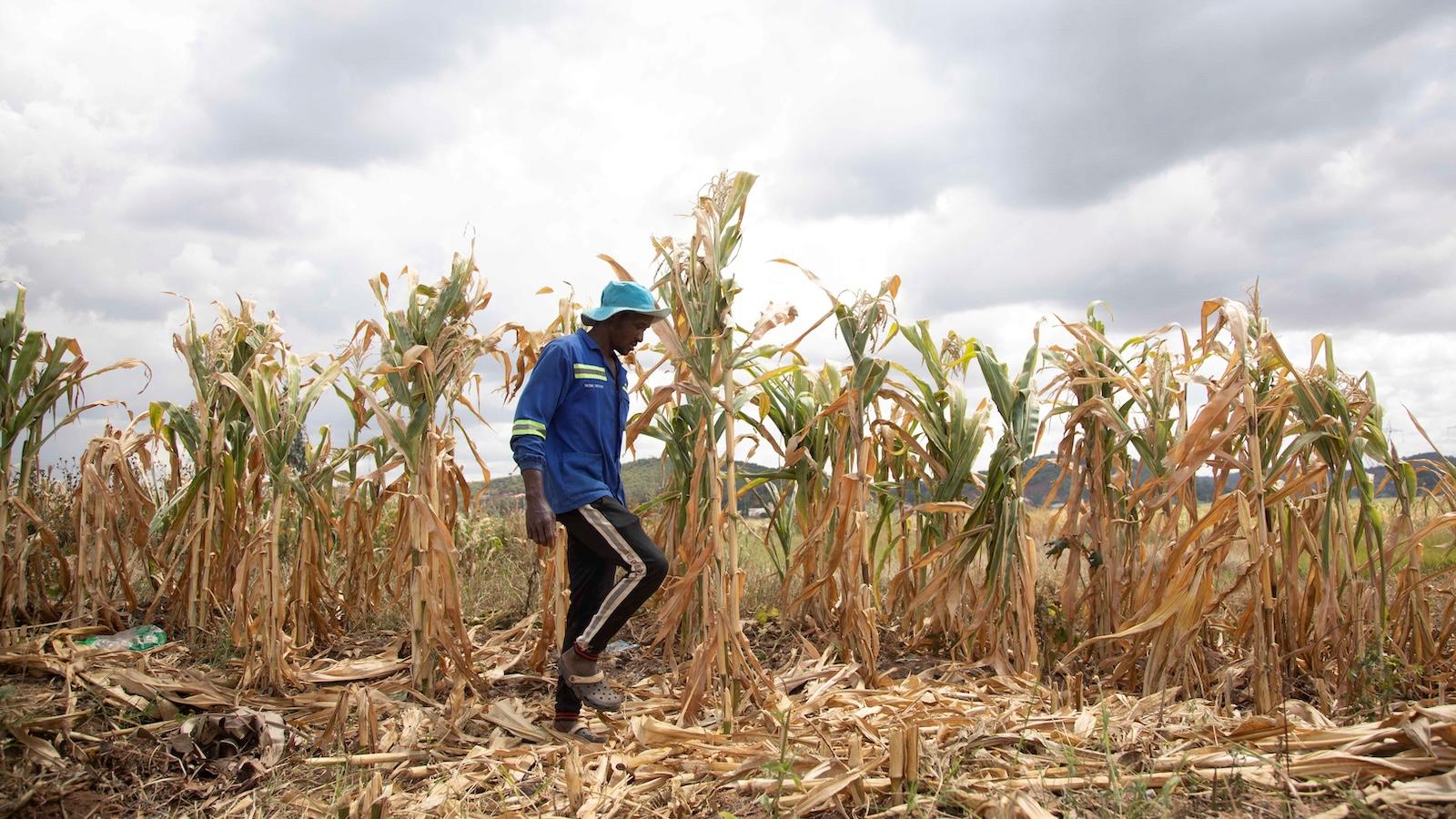
- India faces a “deadly combination” as El Niño could intensify heat, delay the monsoon—already forecast below‑average rainfall—and threaten crops, water supplies in Mumbai and millions of lives.
- China’s National Climate Centre predicted El Niño’s effects would peak in autumn and winter, potentially raising southern China rainfall by 20 % above average and increasing temperatures nationwide.
- Qinghai meteorological bureau warned El Niño could cause unpredictable, extreme weather on the Qinghai‑Tibetan plateau and urged households to stockpile emergency supplies.
- Southeast Asia is expected to see prolonged heat, drought, wildfires and air pollution, with rice and palm‑oil staples at risk and tourism in places like Bangkok and Da Nang rendered unusable as temperatures exceed 40 °C.
Why it matters: India’s wheat and mustard harvests already damaged, Mumbai has only 45 days of water left, China’s southern regions may see 20 % more rain, and Southeast Asian staples like rice and palm oil risk shortage, threatening food security and prices while governments scramble for emergency stocks and flood‑control measures.
Ask SkimNews