Study: 1 in 10 ER Visits Heat-Driven in 2025 Waves — SkimNews

Get the Energy newsletter
Daily energy & climate — solar, EVs, oil, the policy fights and tech bets shaping the transition. Free.
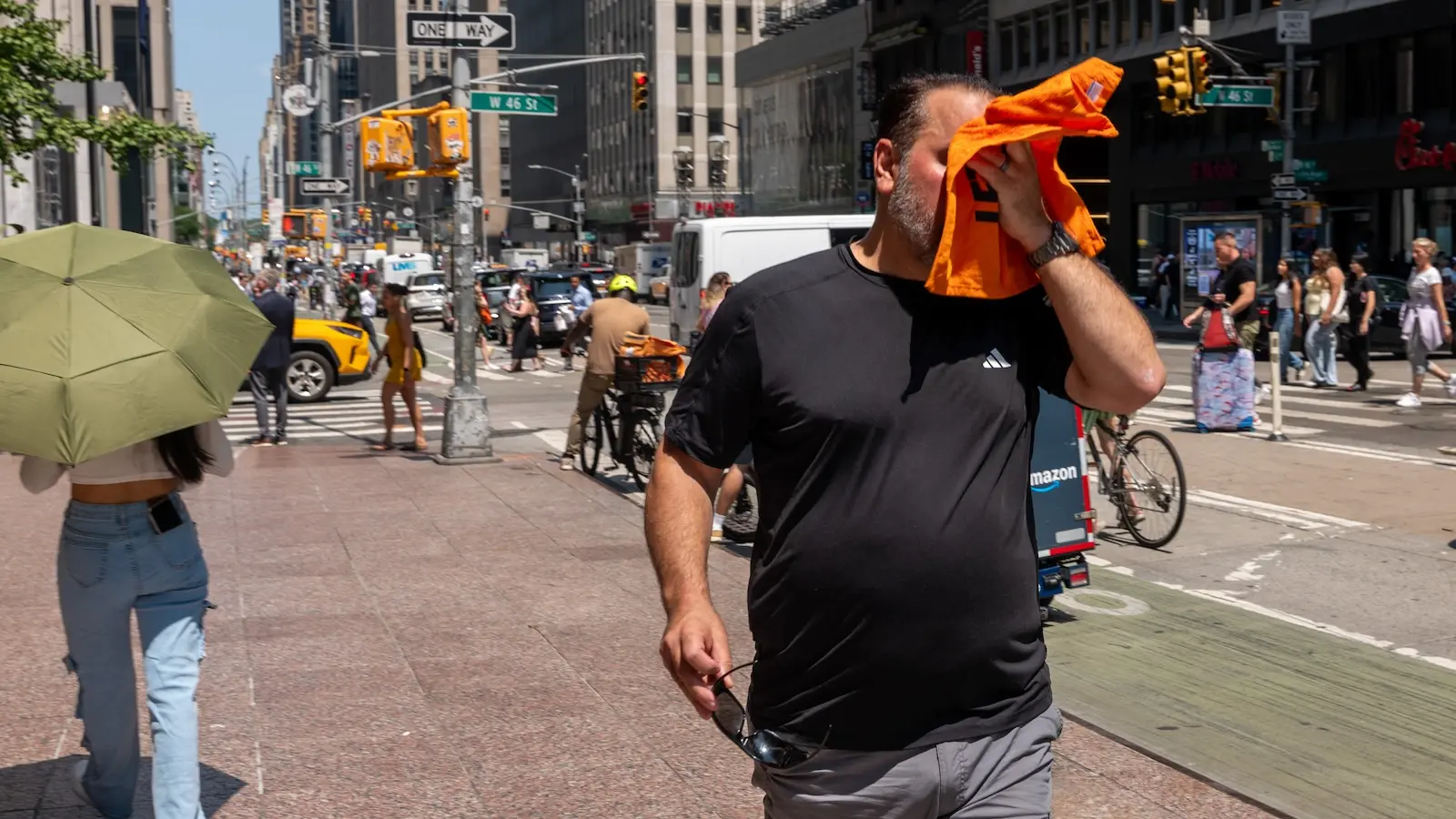
- Harvard and Boston University researchers published a study in Nature Health analyzing more than 8 million emergency department visits over three summers (2023–2025), finding that approximately 1 in 10 ED visits across 19 states were driven by heat during two severe heat waves last summer.
- Heat-related visits were especially pronounced for psychiatric and kidney-related emergencies, and affected all-cause visits more broadly, according to the study, which used Truveta's near real-time de-identified electronic health records just two weeks after the heat waves hit.
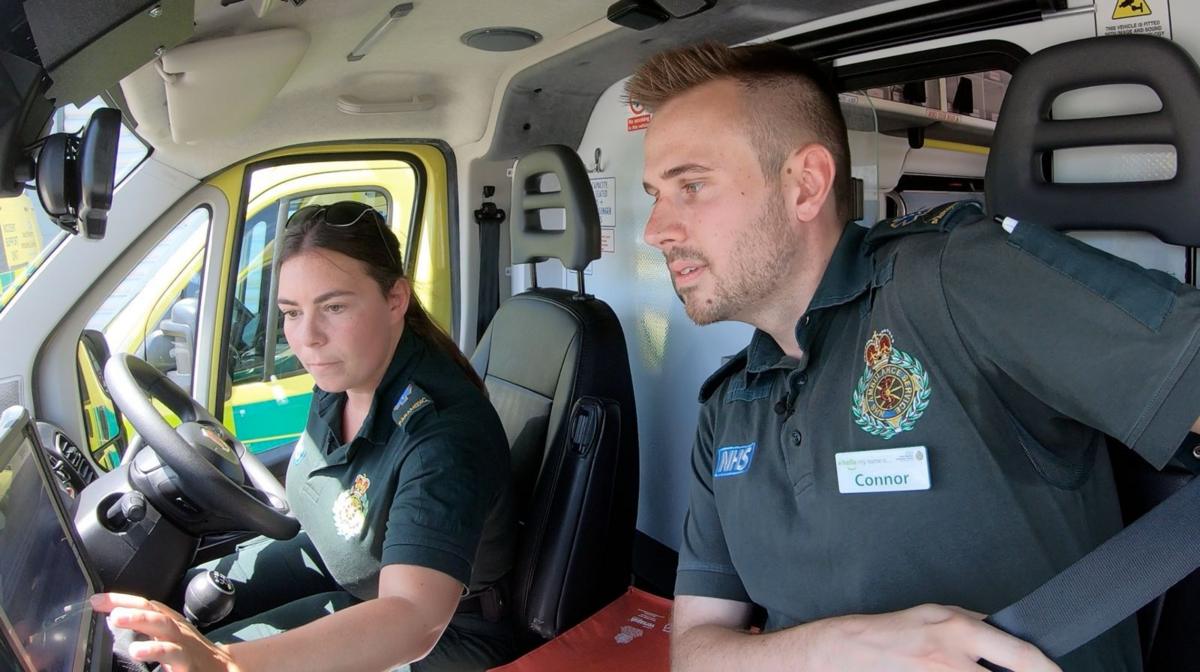
- Dr. Robert Brewer, associate director of emergency medicine at St. Peter's Hospital in Albany, said heat waves bring more dehydration, kidney problems, heart strain from vasodilation, and psychiatric crises, noting that a ~10% volume surge lets him staff appropriately when warned in advance.
- Lead author Amruta Nori-Sarma (Harvard) said near real-time data could help hospitals allocate beds more efficiently as climate change brings longer, more intense, and more frequent heat waves to regions like the Northeast unaccustomed to them.
- Dr. Abel Kho (Northwestern), whose own Chicago ED heat findings align with the study, called its 19-state geography a major strength but flagged limitations including reduced transparency from using a commercial dataset, state-level rather than urban-granular data, and self-selected health systems that may exclude uninsured and unhoused patients.
- Cook County, Illinois recorded 13 heat deaths this summer — more than double the previous decade's high — most concentrated on the historically disenfranchised South and West sides of Chicago, per the Chicago Sun-Times.
Why it matters: For emergency departments and health systems, the study demonstrates that near real-time heat surveillance could shift reactive scrambling into proactive staffing — the lead author says hospitals could prepare for a roughly 10% volume surge during heat waves. The 19-state scale and its alignment with independent Chicago findings give hospital administrators a replicable model as heat seasons grow longer and hotter, while the Truveta dataset's blind spots (uninsured, unhoused, urban granularity) leave the most heat-vulnerable populations undercounted.
Ask SkimNews