Pakistan-US Ties Reset With Every Crisis — SkimNews

Get the Geopolitics newsletter
Daily geopolitics — wars, elections, sanctions, the diplomatic moves that move markets. Free.
- Pakistan became a frontline U.S. partner after 9/11, providing ground and air logistics to Afghanistan, intelligence, and military action in exchange for financial reimbursement and subsidized military hardware.
- After the U.S. military withdrawal from Afghanistan in August 2021, political urgency in the bilateral relationship declined, though counterterrorism, trade, and health engagement continued at the institutional level.
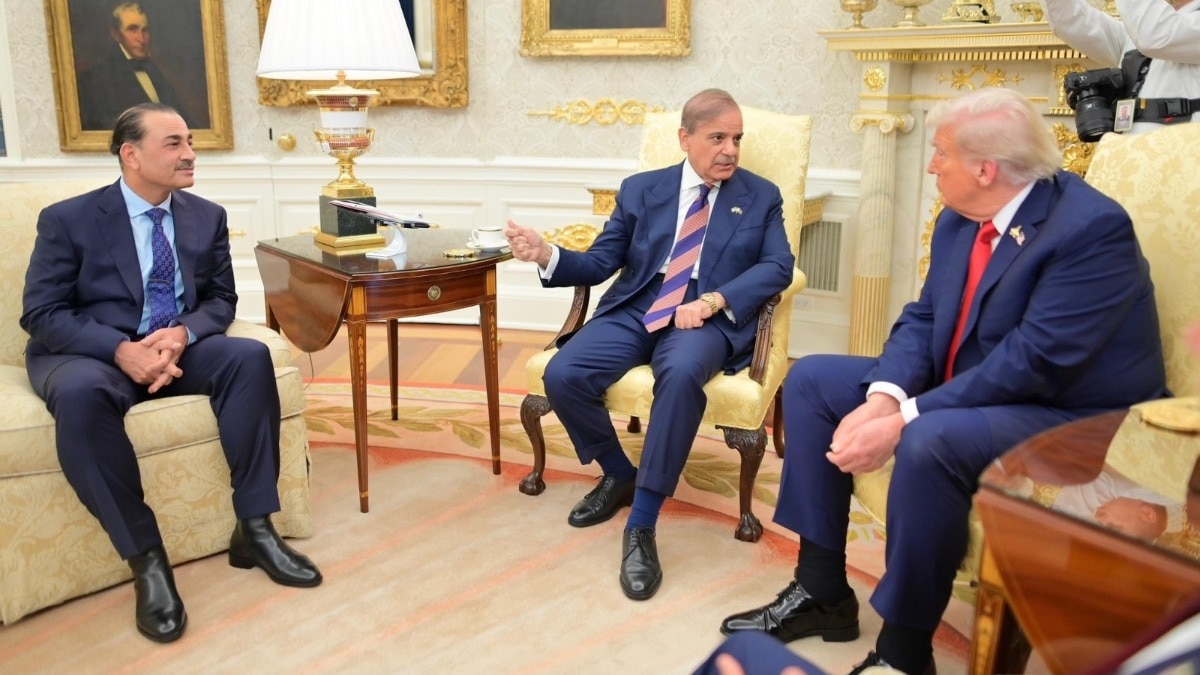
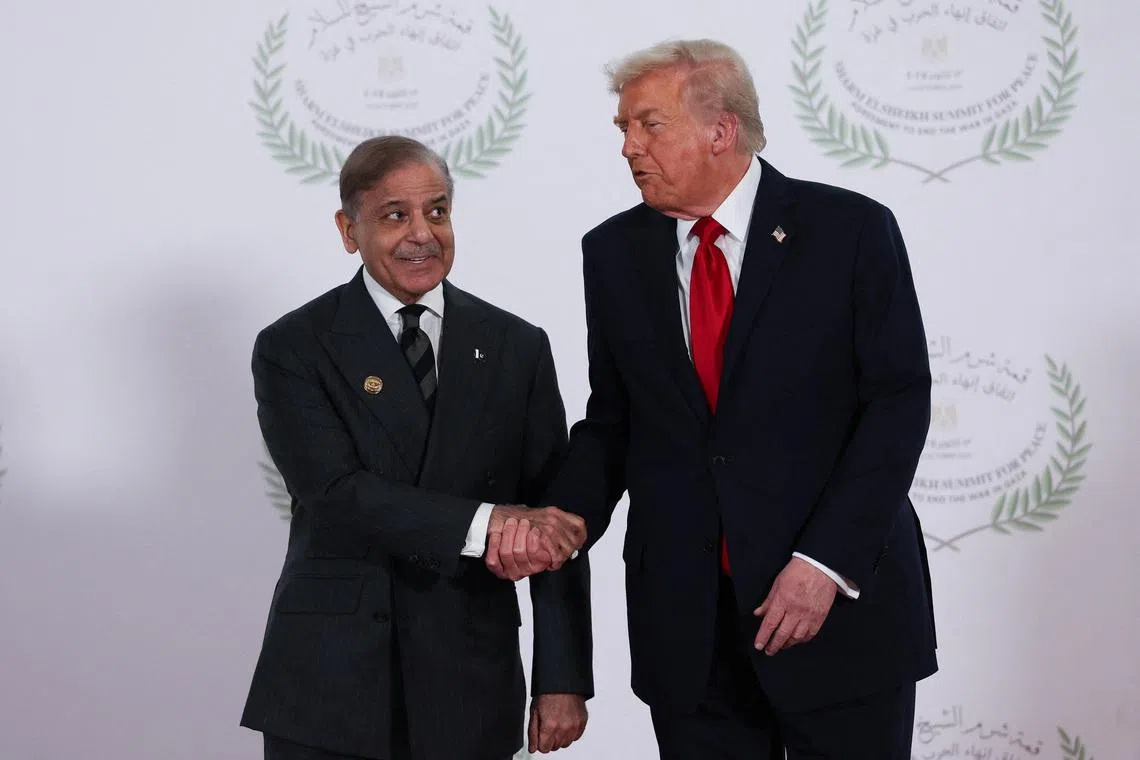
- Pakistan has repositioned itself as a useful Washington partner through mediation between the U.S. and Tehran, alongside cryptocurrency deals, critical mineral investments, and counterterrorism cooperation.
- India-U.S. ties shifted from top-down to bottom-up, anchored by the October 2025 ten-year Framework for the U.S.-India Major Defense Partnership and the February 2025 expansion of iCET into TRUST, covering AI, semiconductors, quantum computing, biotechnology, energy, space, and critical minerals.
- Pakistan's structural constraints include its close strategic partnership with China, security problems that discourage tourism and investment, fewer university and think tank partnerships with American institutions, and a smaller economic and technological base than India's.
- The U.S. remains Pakistan's largest single export market and a top FDI source; the Karachi-based American Business Council has over 55 member companies (most Fortune 500), and the Lahore-based American Business Forum has 23 founding and 22 associate members.
- Islamabad is urged to diversify exports, improve domestic security, sustain simplified tariff and tax regimes, protect intellectual property, and leverage its diaspora for professional and commercial cooperation rather than viewing it mainly as a remittance source.
Why it matters: Pakistan's 2025 crisis-driven courtship of Washington mirrors its post-9/11 playbook, but without India's diversified economic, technological, and diaspora-driven foundations, Islamabad risks another transactional cycle that evaporates when U.S. strategic attention shifts. The 55 Fortune 500 firms in Karachi and thousands of STEM professionals already bridge both economies—the question is whether Pakistan institutionalizes those links before the next geopolitical pivot.
Ask SkimNews