Pakistan seeks $10 billion US currency backstop after Iran war diplomacy
Get the Geopolitics newsletter
Daily geopolitics — wars, elections, sanctions, the diplomatic moves that move markets. Free.
- Pakistan requested a $10 billion bilateral exchange stabilization facility from US Treasury Secretary Scott Bessent, with up to five-year maturity, to bolster reserves and ease pressure on the rupee.
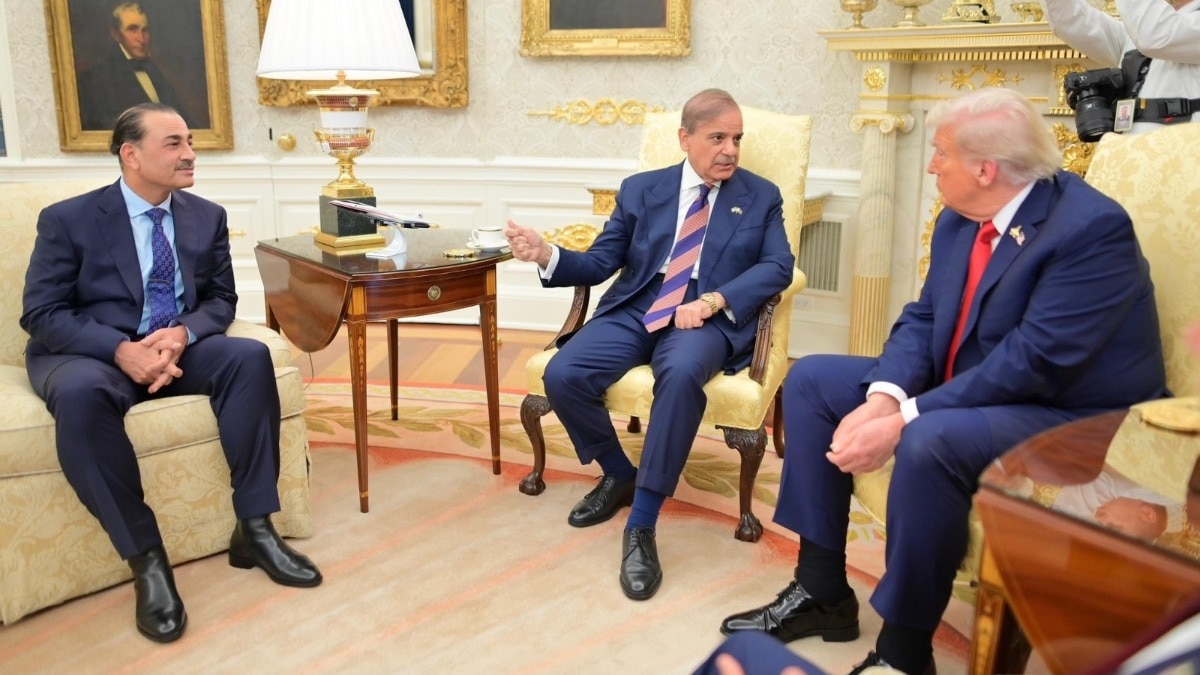
- The request follows Pakistan's diplomatic role brokering Iran war talks, which raised hopes of economic gains from Washington and other partners.
- IMF discipline of $7 billion has required Pakistan to pursue politically unpopular tax increases, spending restraint, and reforms, while its reserves depend on rollovers and deposits from China and Saudi Arabia.
- In April, Saudi Arabia provided $3 billion in fresh support after Pakistan repaid about $3.5 billion—one-fifth of its reserves—to the UAE, exposing its vulnerability to bilateral financing shifts.
- Pakistan's central bank said reserves could return to near their 2021 record, reaching $20 billion by end of 2026.
- Exchange stabilization facilities are rare US Treasury backstops—a 2025 Argentina package was the first new foreign-government operation since Uruguay in 2002, excluding Mexico's long-standing $9 billion swap line dating to the 1940s.
- World Liberty Financial, the Trump family's main crypto business, has signed a Pakistan stablecoin deal, alongside an MOU to redevelop the PIA-owned Roosevelt Hotel in New York and $1.2 billion in US Export-Import Bank financing for the Reko Diq mine.
Why it matters: A US-backed facility would reduce Pakistan's dependence on IMF tranches and ad hoc rescues from China and Saudi Arabia while serving as a political signal of closer alignment with Washington. If approved, the request would be only the second new foreign-government exchange stabilization operation in over two decades, following the 2025 Argentina package.