Lilly's Retatrutide: 28% Weight Loss; UK Melanoma Record — SkimNews

Get the Health newsletter
Daily health & science — research, biotech, public health, the studies worth knowing. Free.
- Eli Lilly reported a 28.3% average weight loss after 80 weeks in the retatrutide Phase 3 trial.link ›
- Eli Lilly saw 11% of high‑dose participants drop out due to adverse events.link ›
- Cancer Research UK announced melanoma diagnoses topped 20,000 for the first time in the UK.link ›
- TrumpRx added over 600 generic medications, logging more than 10 million visits and saving Americans over $400 million.link ›
- Indiana University researchers identified the brain enzyme IDOL as a new Alzheimer’s therapeutic target, showing plaque reduction in animal models.link ›
- South Korean scientists found Lactiplantibacillus plantarum KY10 from kimchi binds nanoplastics in simulated gut conditions.link ›
Eli Lilly's retatrutide achieved 28% weight loss in a trial, showing a drug can rival bariatric surgery, while the UK faces record melanoma cases straining health budgets — twin pressures on health systems from breakthrough therapies and rising disease burden.
The stories behind this week

Melanoma skin cancer cases in UK hit record level, analysis findsNHS will face higher treatment costs and need more dermatology resources as melanoma diagnoses top 20,000, a record level, and public health officials must intensify prevention campaigns.

STAT+: Lilly’s ‘triple-G’ drug leads to bariatric-surgery levels of weight loss in trialPatients with obesity gain a potent new therapy, but the 11% discontinuation rate limits adoption, while insurers and clinicians must weigh efficacy against safety and cost.

White House adds generic drugs to direct-to-consumer TrumpRx siteCash‑pay patients and uninsured consumers can instantly compare and obtain low‑cost generics, potentially saving dollars that would otherwise go to higher‑priced pharmacy chains; insurers may see reduced demand for negotiated discounts.
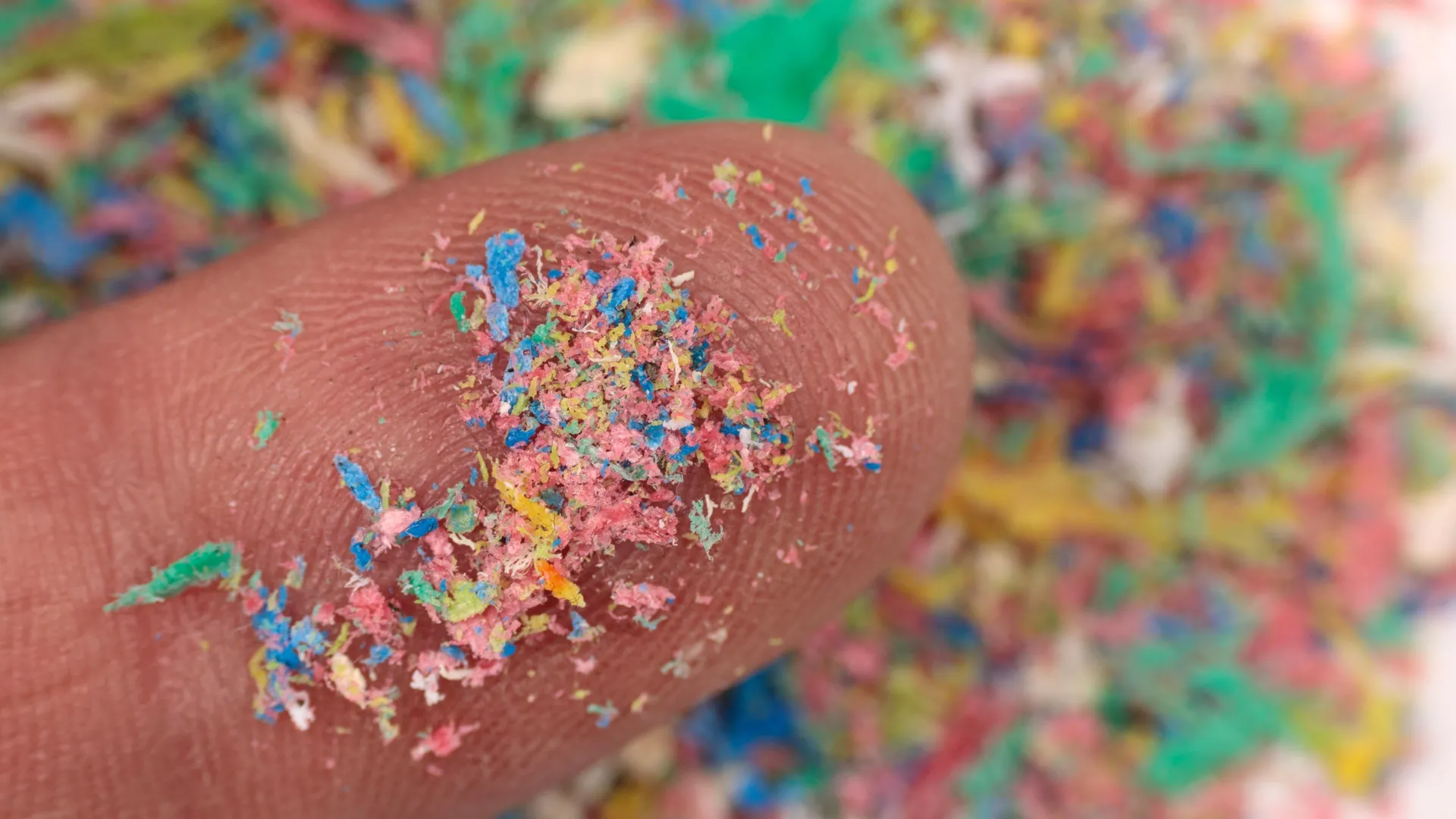
Kimchi Probiotic Binds Nanoplastics in Lab StudyIf validated in humans, this could reduce microplastic buildup in organs, directly benefiting public health. Millions exposed to plastic pollution may gain a low-cost, food-based intervention, though clinical trials remain a critical next step.

All the Fancy Measuring Devices Used in Science Rely on Two Stone-Age TechniquesScientists and engineers benefit from recognizing that even cutting‑edge instruments hinge on simple comparison and counting, prompting clearer standards and potentially reducing design complexity across industries.

Indiana University IDOL enzyme as Alzheimer’s targetAlzheimer’s patients will gain a third disease‑modifying therapy—adding to the two already approved—potentially reducing long‑term care costs for families and insurers by slowing cognitive decline and delaying institutionalization.

Study: Two‑Week Grape Diet Boosts Skin UV ProtectionConsumers gain a simple, food‑based method to boost skin’s UV defense, and dermatologists see fewer cases of UV‑related damage, reducing treatment costs and highlighting nutrition’s role in skin health.

Donald Layman Slams Protein Hype, Sets Record StraightConsumers risk overconsuming protein and spending on unnecessary supplements; Layman's push for clearer guidance helps people make balanced dietary choices and avoid wasted money in the long run.
Why it matters: Health systems face simultaneous pressure from costly breakthrough therapies like retatrutide — which could match surgical outcomes for obesity — and from surging caseloads of existing conditions like melanoma, forcing difficult budget tradeoffs between funding next-generation treatments and absorbing rising patient volumes.
Ask SkimNews


