China submarine missile test rattles South Pacific NWFZ — SkimNews
Get the Geopolitics newsletter
Daily geopolitics — wars, elections, sanctions, the diplomatic moves that move markets. Free.
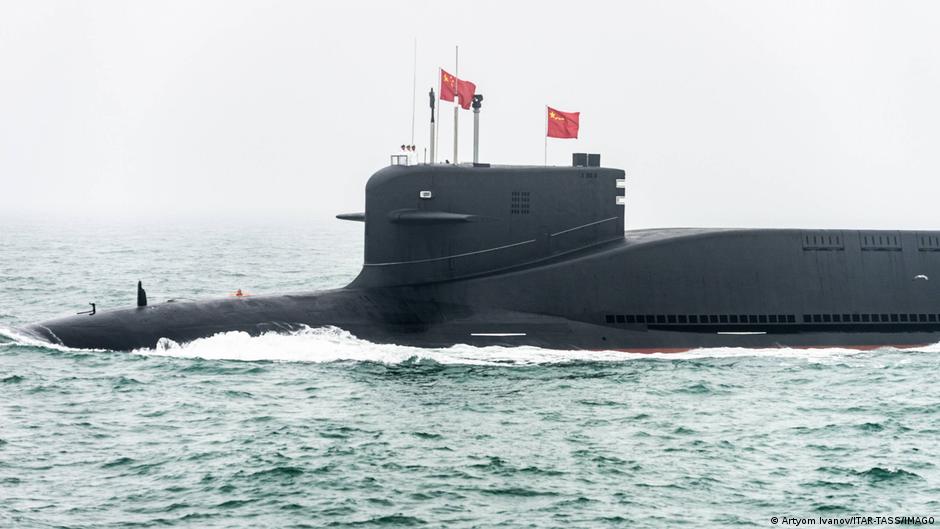
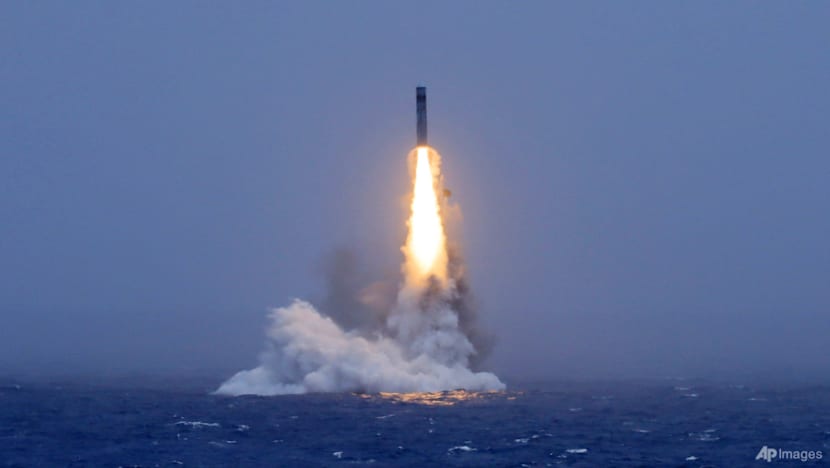
- China's PLA Navy launched a submarine-launched ballistic missile on Monday that flew roughly 7,000 km southeast over the Pacific and splashed down near Nauru and Tuvalu, according to a flight map released by Taiwan's National Security Council.
- Treaty of Rarotonga (1986) bars nuclear weapons stationing and testing across the South Pacific Nuclear Weapons Free Zone; China, Russia, the U.S., U.K. and France have all signed protocols to it — but the missile carried only a dummy warhead, so the test does not technically breach the treaty's text.
- New Zealand's foreign minister said the test "goes against the object and intent" of Rarotonga, and Australia publicly raised similar concerns, framing it as a violation of the zone's spirit rather than its legal core.
- Open Nuclear Network analyst Olamide Samuel cited a growing pattern of nuclear-armed states pressuring NWFZs — U.S. pressure on the U.K. over Diego Garcia, Russia pushing Kazakhstan on missile tests, and now China in the South Pacific — warning of a "slow spiral" and "race to the bare minimum" on treaty compliance.
- China's Foreign Ministry spokesperson Mao Ning called the launch "routine," said it was "conducted safely, systematically, and professionally," and noted Beijing gave regional governments several hours of advance notice; China last fired a comparable Pacific missile in September 2024, while the U.S. ran a similar test in March 2025 that splashed down outside any NWFZ.
- China has accused the AUKUS deal — under which Australia will receive up to eight nuclear-powered submarines plus highly-enriched uranium — of violating Rarotonga since 2021, and Samuel flagged the contradiction: "China has been quite public in voicing its support for nuclear weapons free zones… And then they turn around and do this."
Why it matters: China's own diplomatic credibility takes a direct hit: Beijing spent years branding the AUKUS nuclear-submarine deal as a Rarotonga violation, and this test inside the same South Pacific zone hands the U.S., U.K. and Australia a ready counter — weakening China's leverage as the nuclear deal advances and small island states like Nauru and Tuvalu see their NWFZ protections publicly tested by a permanent Security Council member.
Ask SkimNews