Melting Ice Fuels Quakes, Floods and Volcanoes Worldwide — SkimNews

Get the Energy newsletter
Daily energy & climate — solar, EVs, oil, the policy fights and tech bets shaping the transition. Free.
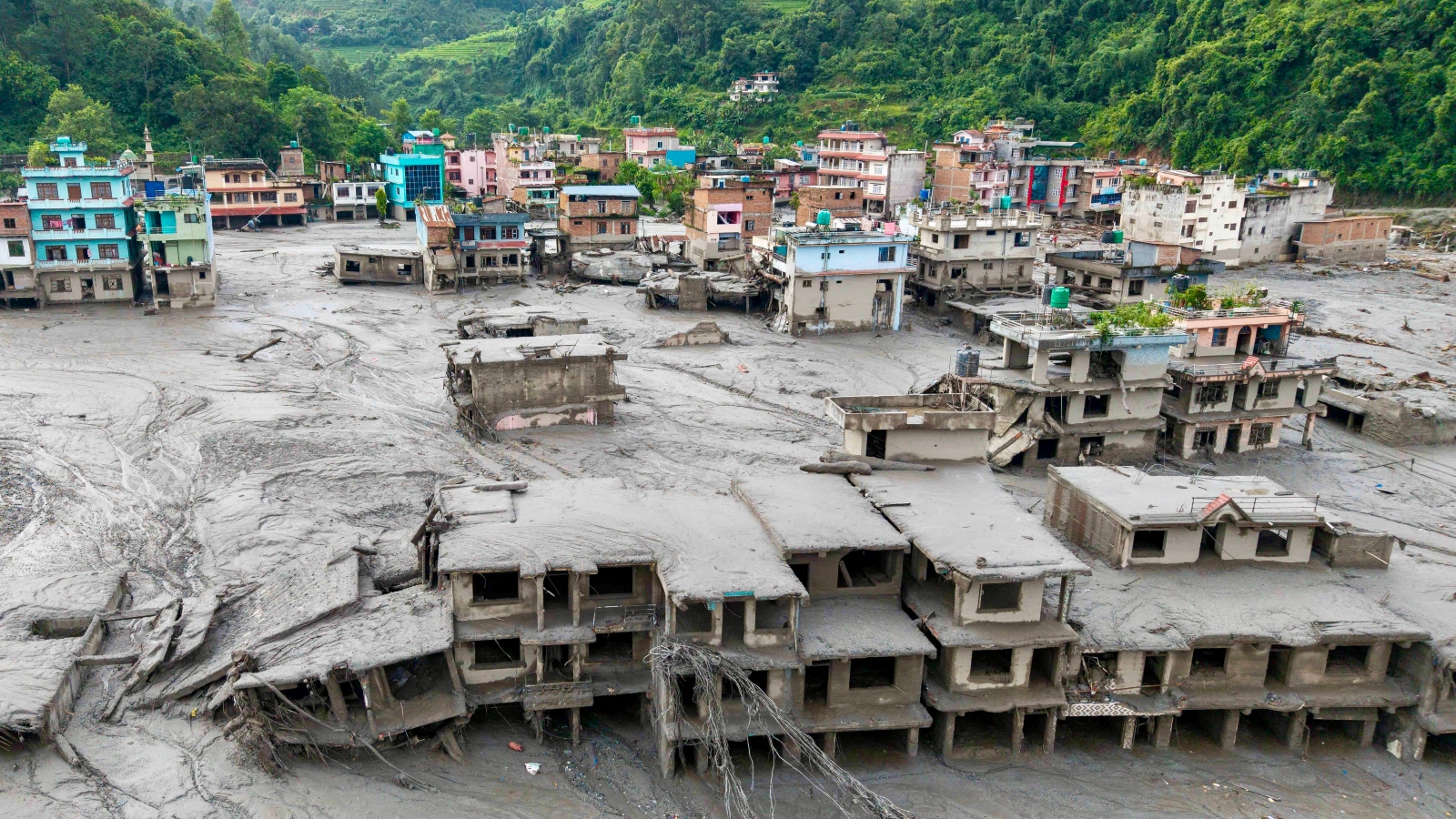
- The Nepal and Tibet flood joins a string of cryosphere-linked disasters including the 2021 Uttarakhand flood in the Indian Himalayas that killed about 200 people and damaged two hydroelectric plants.
- An August 2025 Alaskan fjord landslide produced a 500-metre-high wave in an area frequented by cruise ships.
- A glacier collapse in Switzerland's Valais canton triggered a debris torrent that buried most of the already-evacuated village of Blatten.
- Glacier retreat and permafrost thaw expose unstable terrain, destabilize mountain rock faces, and cause meltwater lakes to expand and breach into inhabited valleys.
- Alaska, one of the fastest-heating places on Earth, is seeing reduced ice load on active faults, with similar seismic backlash predicted for the Himalayas, Andes, Greenland, and possibly the European Alps.
- About 200 glacial lakes across the Himalayan region have been flagged as threats to downslope communities.
- Iceland's Vatnajökull ice sheet retreat is forecast to boost volcanic activity, and the 2010 Eyjafjallajökull eruption disrupted UK and northern European aviation.
Why it matters: The roughly 200 Himalayan glacial lakes already flagged as threats, combined with awakening faults in Greenland, volcanoes under Iceland's retreating Vatnajökull, and destabilized slopes in Alaska, mean the next disaster comes from the ground itself — as the 2010 Eyjafjallajökull eruption showed when it grounded European aviation.
Ask SkimNews