How to see the Orionid meteor shower — SkimNews

Get the Health newsletter
Daily health & science — research, biotech, public health, the studies worth knowing. Free.
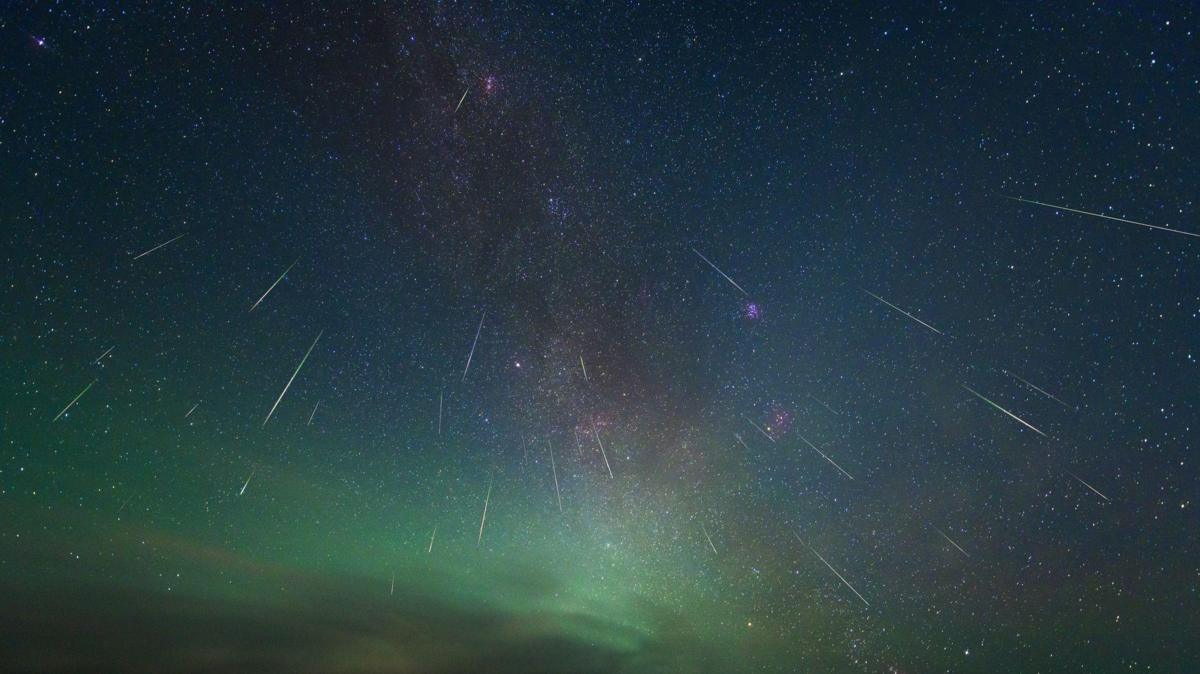
- Orionid meteor shower runs until 7 November, with its peak overnight from 21 to 22 October.
- Halley's Comet debris produces the Orionids each year when Earth passes through the comet's trail; the comet takes around 76 years to orbit the Sun, was last seen from Earth in 1986, and won't return until 2061.
- Earth encounters Halley's Comet material twice yearly, generating both the Eta Aquariid shower in May and the Orionids in October.
- Under ideal dark-sky conditions, observers can see 10-20 meteors per hour at the peak, best viewed with the naked eye from a spot away from street lights after 15-20 minutes of eye adjustment.
- The Moon, building to its full phase on 26 October, is expected to wash out some of the fainter meteors, though brighter meteors should remain visible.
- Orionid meteors enter the atmosphere at around 41 miles per second and can leave persistent trails lasting several seconds after the meteor itself has passed.
- UK weather for the Wednesday-night peak currently favors clear spells after early-evening rain, though wetter and windier conditions could sweep in later in the week.
Why it matters: Stargazers have a narrow best window — Wednesday night into Thursday — because the Moon brightens toward full on 26 October, progressively drowning out fainter meteors; choosing the darkest available location during the pre-peak nights maximizes the chance of catching the full 10-20 meteors per hour.
Ask SkimNews