Five Autumn Night Sky Events Through November — SkimNews

Get the Health newsletter
Daily health & science — research, biotech, public health, the studies worth knowing. Free.
- The Pleiades star cluster, also called the Seven Sisters, sits roughly 440 light years from Earth in the constellation Taurus and becomes increasingly prominent in eastern autumn skies, with most naked-eye observers seeing about six stars.
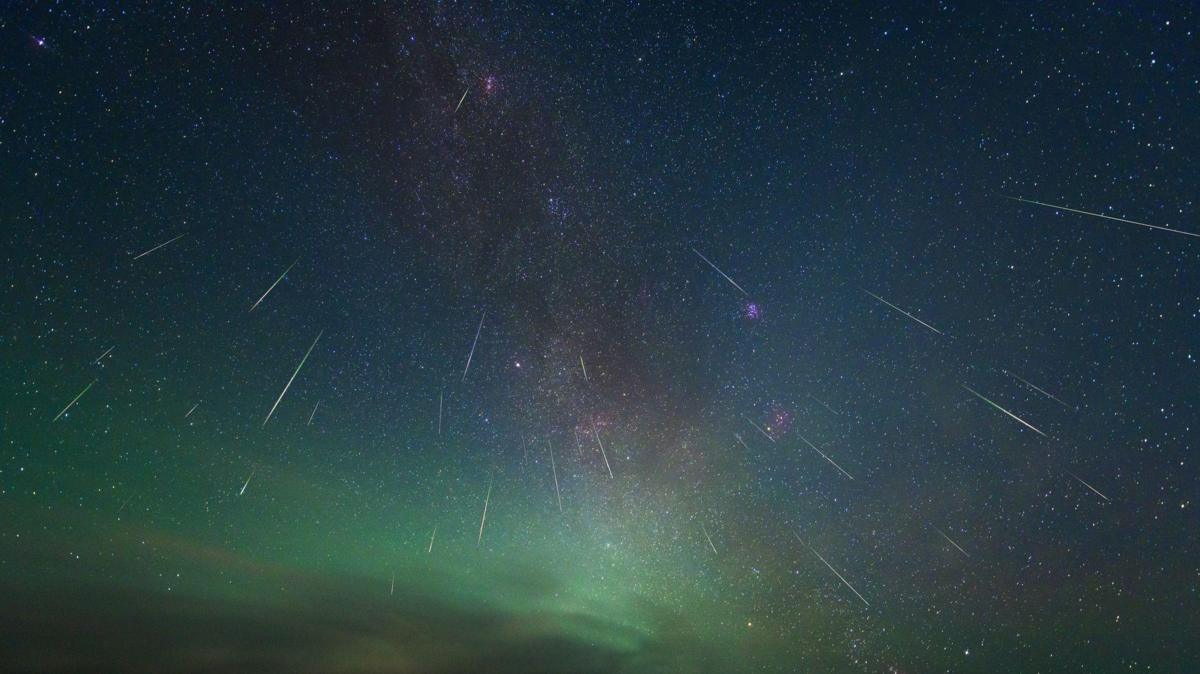
- The Orionid meteor shower, active from early October into November and peaking around 21 October, occurs twice each year when Earth passes through dust and debris trails left by Halley's Comet.
- A four-planet planetary parade around 14 November places Mercury, Venus, Mars and Jupiter above the horizon before sunrise, though Mercury will be hardest to spot because it stays low near the rising sun's glare.
- The Leonid meteor shower peaks around 17 November, producing some of the fastest meteors visible from Earth at about 70 km per second, with 10 to 15 per hour visible under ideal dark-sky conditions after midnight and before dawn.
- The November full moon, known as the Beaver Moon for the season when beavers prepare lodges and stores, reaches full phase on 24 November as a supermoon — the first of four consecutive supermoons running through February 2027.
- Autumn's longer northern hemisphere nights give skywatchers more viewing time, and the article recommends finding dark locations away from artificial light and allowing eyes to adjust for the best meteor-spotting results.
Why it matters: Two distinct meteor showers (Orionids peaking 21 October, Leonids peaking 17 November), a four-planet pre-dawn alignment on 14 November and a supermoon on 24 November give skywatchers four separate windows in roughly five weeks — and the November supermoon is just the first of four consecutive supermoons stretching to February 2027, turning a single season into the start of a longer lunar series.
Ask SkimNews