One of the year's most prolific meteor showers to light up the night sky this weekend — SkimNews

Get the Energy newsletter
Daily energy & climate — solar, EVs, oil, the policy fights and tech bets shaping the transition. Free.
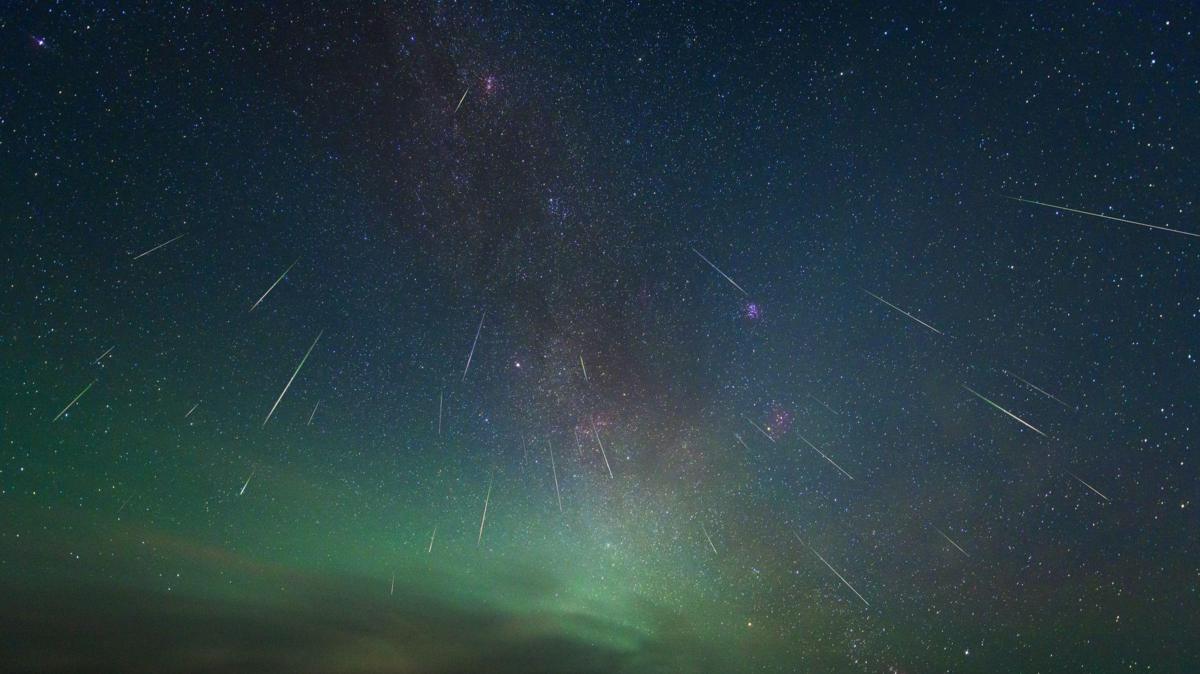
- Leonids run through 30 November, peaking on the night of 17 November with a chance of spotting 10–15 meteors per hour.
- Comet 55P/Tempel-Tuttle leaves a trail of debris whose dust particles enter Earth's atmosphere at up to 44 miles (71km) per second, making Leonids the fastest meteors in the sky.
- Leonids can be seen with the naked eye and need no binoculars or telescope; experts advise a dark, open location away from light pollution, 20–30 minutes for eye adjustment and a gaze toward the radiant near Leo's head.
- UK weather this weekend is often dry but broadly cloudy, with rain or drizzle possible; southern and western England and Wales have the clearest outlook on Friday and Saturday, northern England, Northern Ireland and Scotland face more cloud, and more areas clear by Sunday night.
- Fog could obscure skies that remain clear, while overnight temperatures will drop into single figures with a chance of frost, prompting advice to wrap up warmly for prolonged viewing.
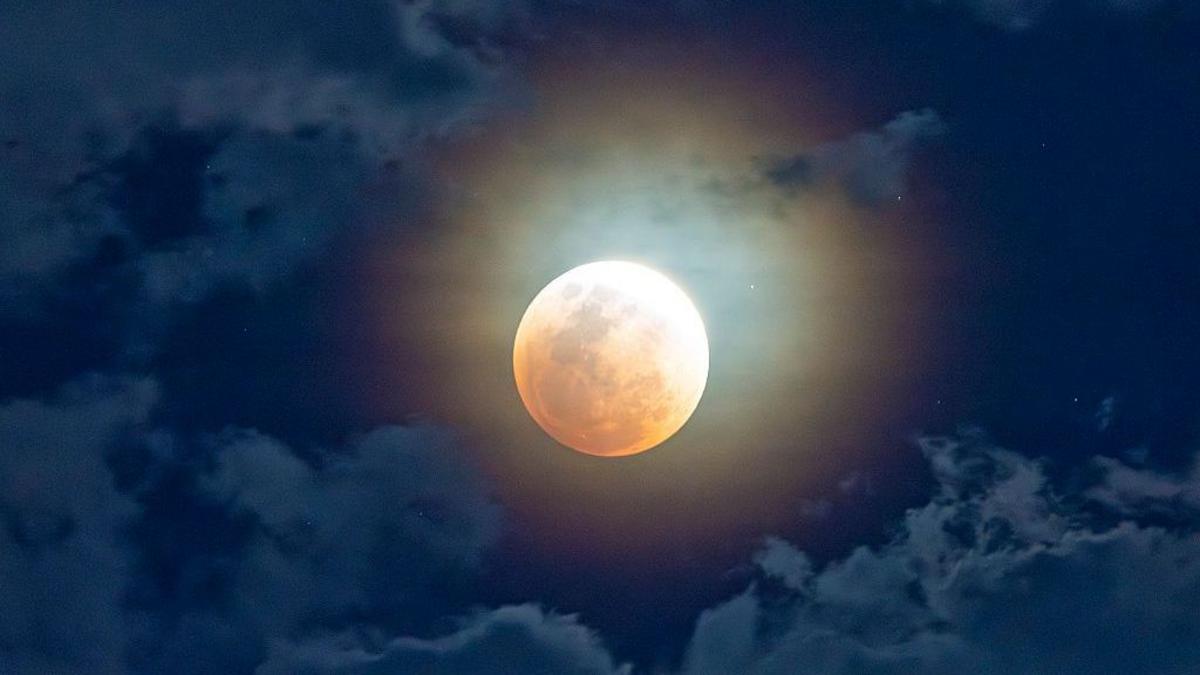
- Moon will be below the horizon around midnight near the mid-November peak, reducing reflected-light interference and making viewing conditions particularly good.
Why it matters: For UK skywatchers, timing matters more than the headline rate: widespread cloud, possible drizzle and fog obscure this weekend, whereas the 17 November peak falls in clearer conditions with the Moon below the horizon around midnight, supporting the stated 10–15 meteors per hour for naked-eye viewing.
Ask SkimNews