Australia-India partnership deep on security, shallow on trade — SkimNews

Get the Geopolitics newsletter
Daily geopolitics — wars, elections, sanctions, the diplomatic moves that move markets. Free.
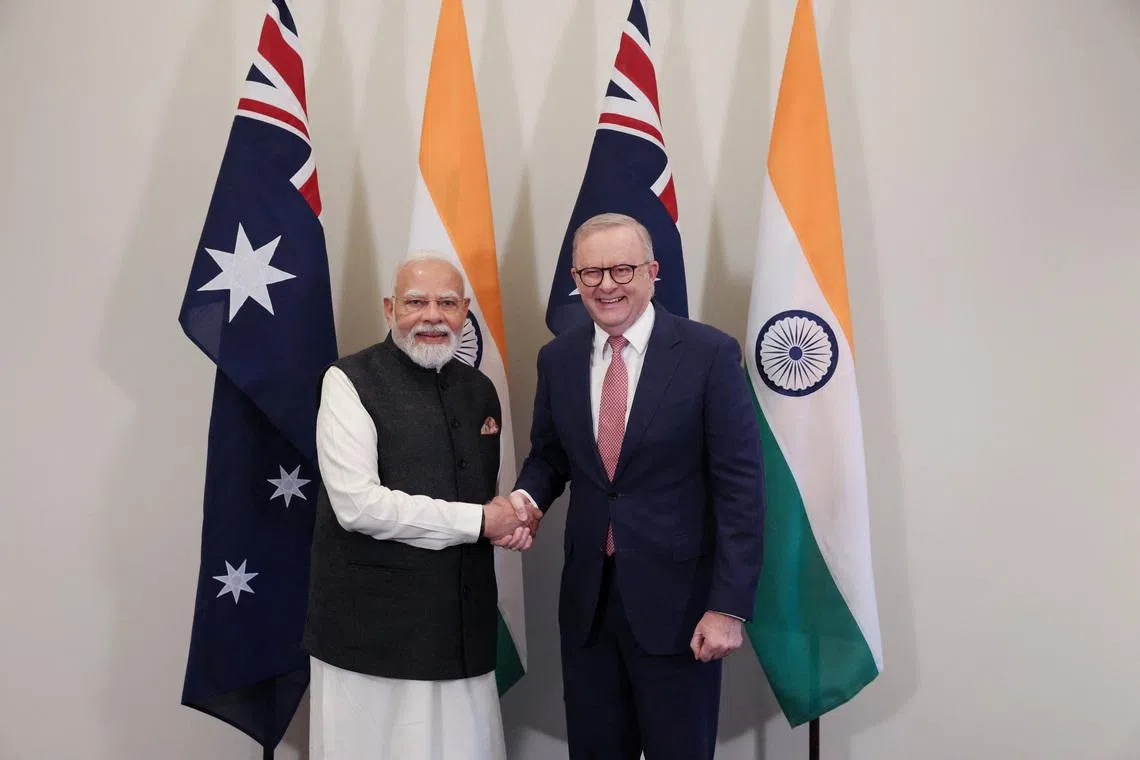
- Australia finalized administrative arrangements to begin commercial uranium exports to India at the July 9 Melbourne summit, operationalizing a civil nuclear agreement that had sat on paper for nearly 12 years since only a single 2017 test shipment.
- India and Australia produced 18 summit outcomes including a renewed defense and security declaration replacing the 2009 version, new shipbuilding, maritime security and cyber commitments, and a Critical Minerals Corridor for lithium, cobalt and rare earths.
- The CECA trade pact remains unsigned after 15 years — launched May 2011, suspended in 2016 and relaunched in 2021 — making it an outlier against Australia's trade-deal timelines with South Korea (5 years), Japan (7), China (10), Indonesia (9) and the EU (8).
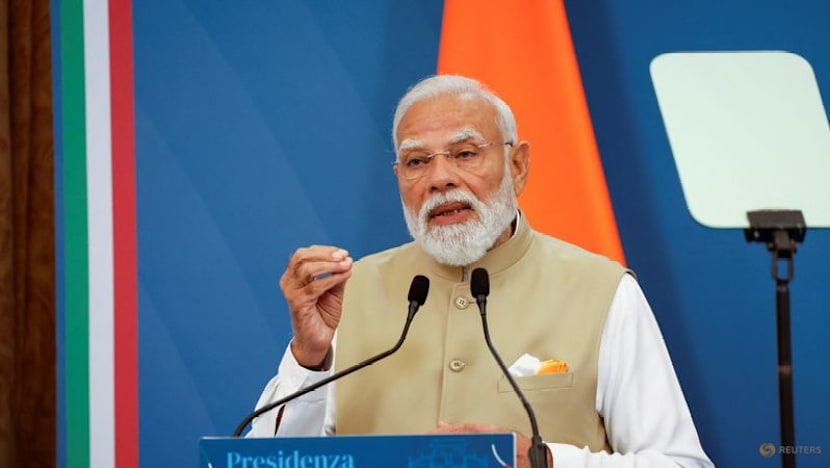
- India's dairy lobby, including the Gujarat Milk Marketing Federation headquartered in Prime Minister Modi's home state, is blocking CECA over dairy and wine tariffs, with a senior Indian official ruling out further concessions on either as of 2025.
- Two-way India-Australia trade reached approximately US$33 billion in 2025, making India Australia's fifth-largest trading partner, with agricultural exports more than doubling since the 2022 interim ECTA deal took effect.
- India's nuclear capacity is targeted to expand from roughly 8 GW to 100 GW by 2047, providing the strategic imperative that cleared the uranium safeguards impasse after two years of "very intense discussions," according to India's foreign secretary.
- The Quad has not met at the leaders' level for nearly two years, and India's relationship with China has stabilized since the 2020 border crisis, raising the source's concern that a partnership built on shared threat perceptions lacks economic depth to weather shifts in strategic intensity.
Why it matters: India is Australia's only major trading partner with which a comprehensive deal has stalled beyond 15 years, and the source argues neither government pays a political price for the delay because bilateral trade at $33 billion is too small to force action — unlike Australia's $212 billion trade with China, which compelled management even at peak strain. Until dairy, wine and migration concessions become politically cheaper than continued stalemate, the Comprehensive Strategic Partnership will remain operationally lopsided: a security architecture without the economic substance to survive fluctuations in shared threat perception.
Ask SkimNews