Plague was killing entire families thousands of years before the Black Death — SkimNews
Get the Health newsletter
Daily health & science — research, biotech, public health, the studies worth knowing. Free.
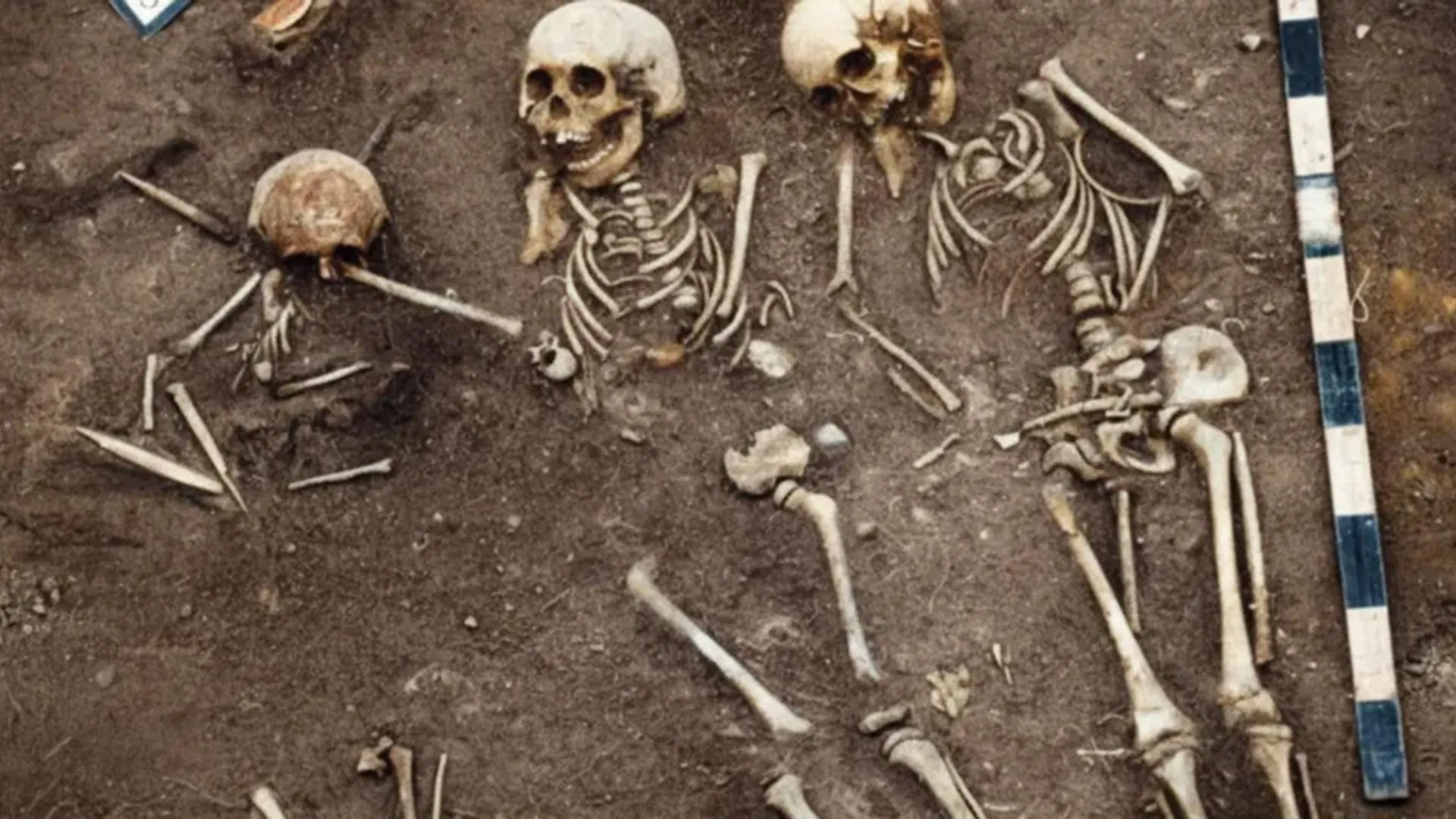
- An international research team found Yersinia pestis DNA in 18 of 46 remains (~40%) at four Lake Baikal hunter-gatherer burial sites, a detection rate higher than that reported at some medieval plague cemeteries.
- The 5,500-year-old strains carried a superantigen — a toxin-producing genetic factor absent from later historic plague — that can trigger severe immune overreaction, which researchers say helps explain unusual lethality.
- Two of the largest cemeteries contained an unusually high proportion of children and young teenagers among the dead, with radiocarbon dating clustering many deaths in short timeframes and some siblings or parents dying together.
- Senior author Eske Willerslev (University of Copenhagen and Cambridge) said the findings demonstrate ancient strains were "already highly lethal," overturning the prior assumption that pre-flea-borne plague could not trigger severe outbreaks.
- Archaeologist Andrzej Weber (University of Alberta) said the child-heavy burials had puzzled researchers "since the 1990s" and identifying plague as the cause "makes so much sense."
- Close contact with marmots — large burrowing rodents that still carry plague today — supports the theory that early outbreaks may have spread directly from infected wildlife to humans, possibly originating in Central or North-East Asia.
Why it matters: Ancient DNA from Siberian burial sites establishes plague as a pre-civilization threat: 5,500 years ago, the bacterium's DNA appeared in 40% of tested individuals in small hunter-gatherer groups, with children disproportionately affected. A superantigen absent from later plague strains indicates early outbreaks rivaled medieval lethality well before flea-borne transmission evolved.
Ask SkimNews