Polyethylene Microplastics Linked to Fatty Liver Disease — SkimNews
Get the Health newsletter
Daily health & science — research, biotech, public health, the studies worth knowing. Free.
- Texas A&M researchers found polyethylene microplastics increased indicators of fatty liver disease on their own and produced more severe liver damage when combined with a high-fat, high-fructose, high-cholesterol diet
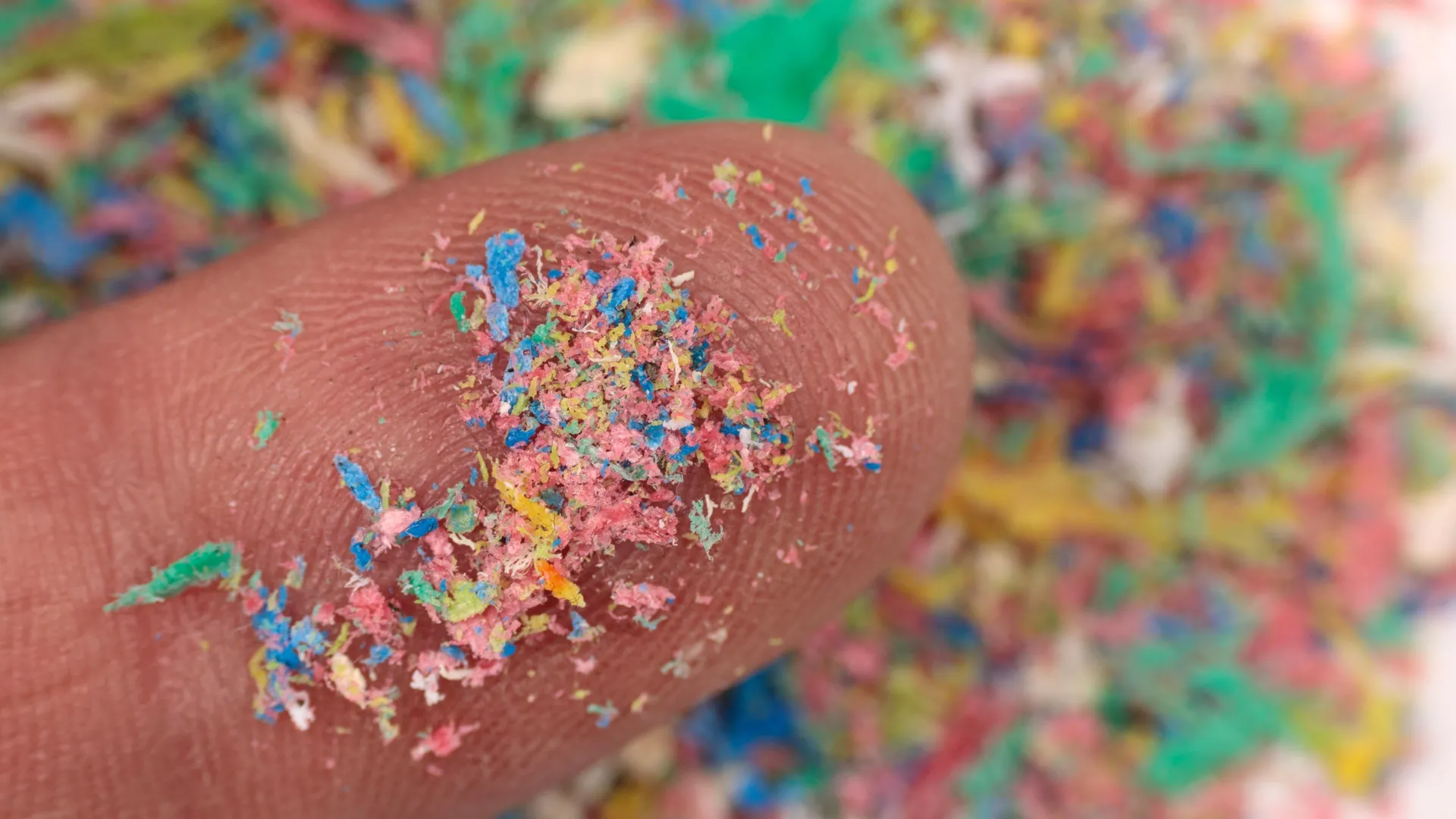
- Polyethylene accounts for roughly one-third of global plastic production and appears in food wrappers, storage containers, and beverage cup linings, yet had long been considered relatively biologically inert and largely overlooked in liver studies
- Dr. Adi Joshi of VMBS' Department of Veterinary Physiology and Pharmacology noted polyethylene interferes with the liver's natural defense and repair mechanisms, with people on a Western-style diet facing greater odds of progressing to fatty liver disease when also exposed
- Using spatial transcriptomics in a collaboration with the University of Oklahoma, the team pinpointed liver damage at the cellular level and identified the PPAR-alpha protein and the ANXA2 tissue-repair gene as key molecular players in microplastic-induced liver effects
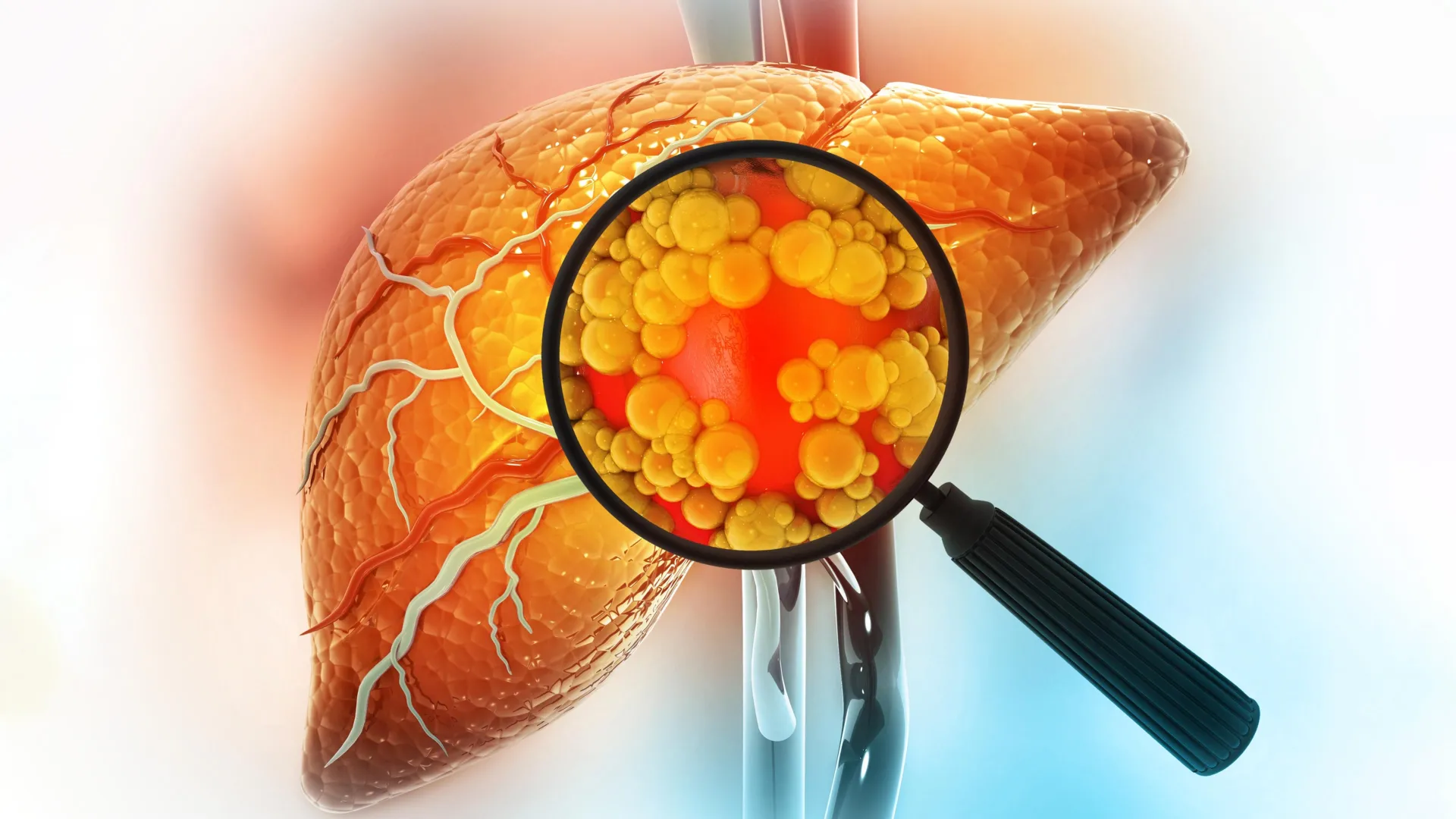
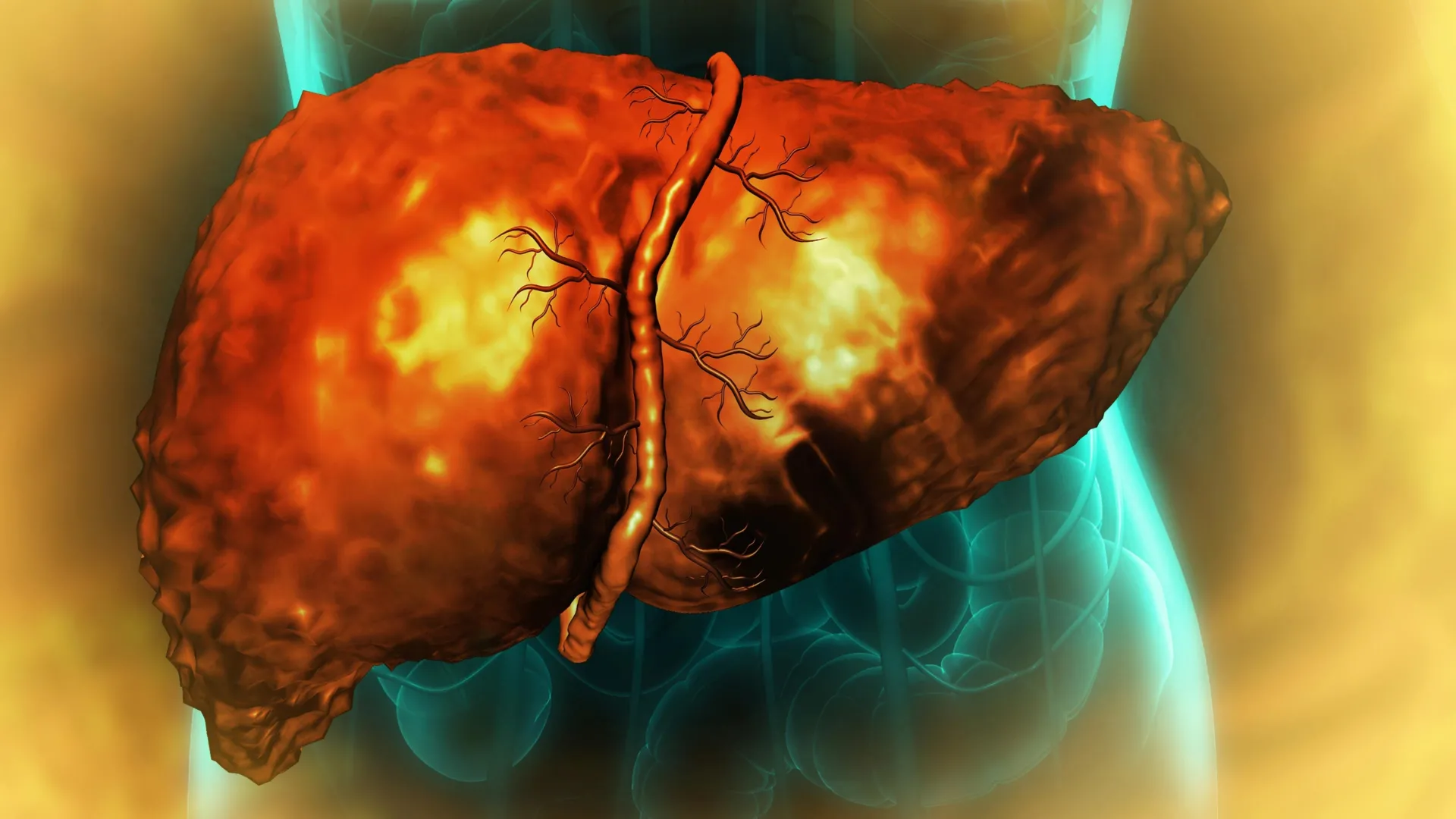
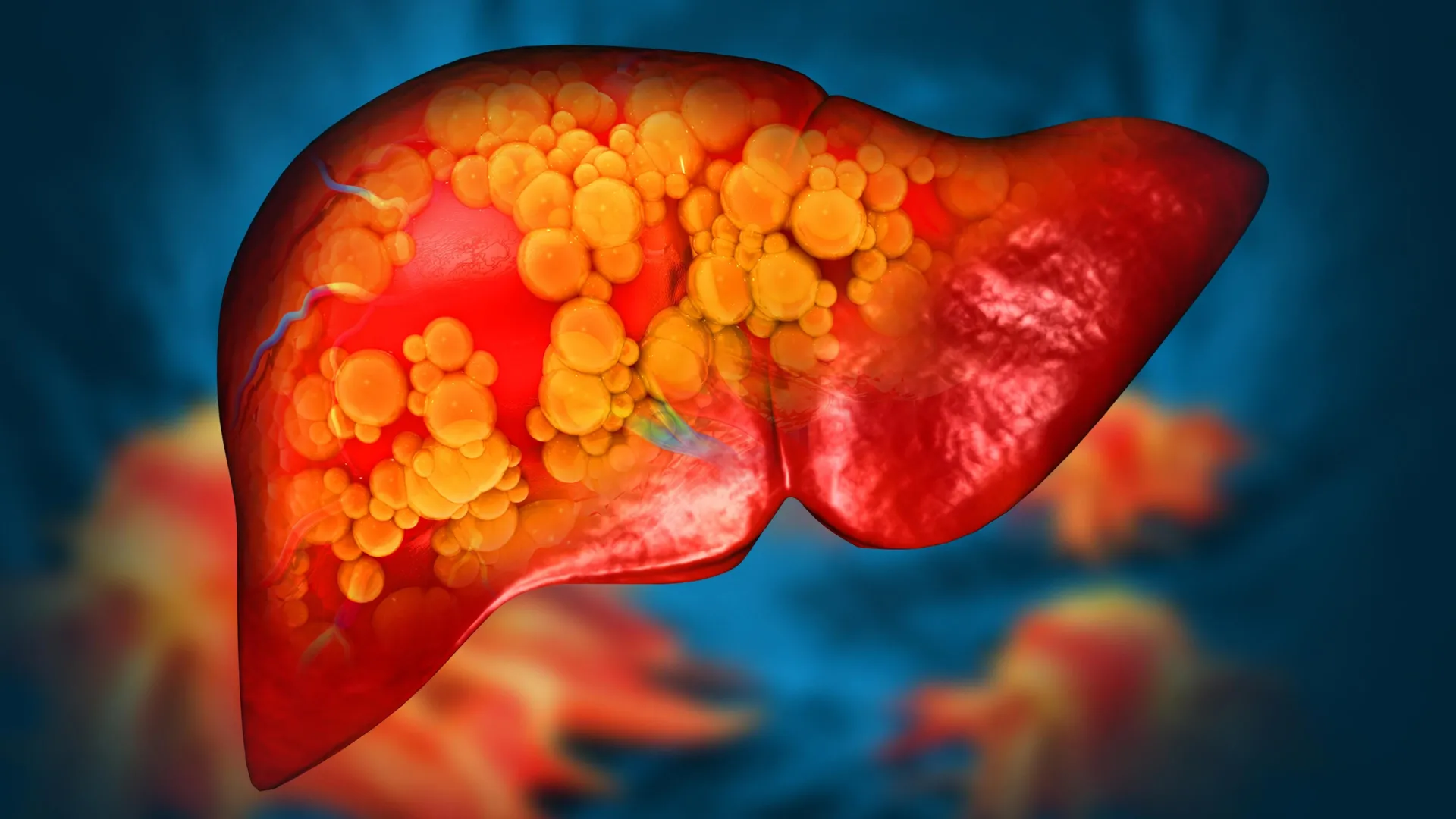
- Fatty liver disease affects approximately 25% of people worldwide per the American Liver Foundation, framing the otherwise-overlooked finding as a potential public-health flashpoint
- Published in Science Advances, the study is described by Joshi as 'pioneering'; the team plans follow-up work on whether polyethylene contributes to fibrosis and whether other microplastic classes behave similarly
Why it matters: Polyethylene touches nearly everyone's daily life through food packaging, and fatty liver disease already affects about a quarter of the global population, so reframing a 'safe' everyday material as a metabolic disruptor shifts the conversation about chronic liver disease beyond diet alone — while flagging the PPAR-alpha pathway as a concrete target for future protective therapies.
Ask SkimNews