Banned antibiotic in Brazilian river fish; plant trial — SkimNews
Get the Health newsletter
Daily health & science — research, biotech, public health, the studies worth knowing. Free.
- Piracicaba River: Researchers found multiple classes of antibiotics accumulating in water, sediment, and fish, with higher concentrations during the dry season when water volume drops.
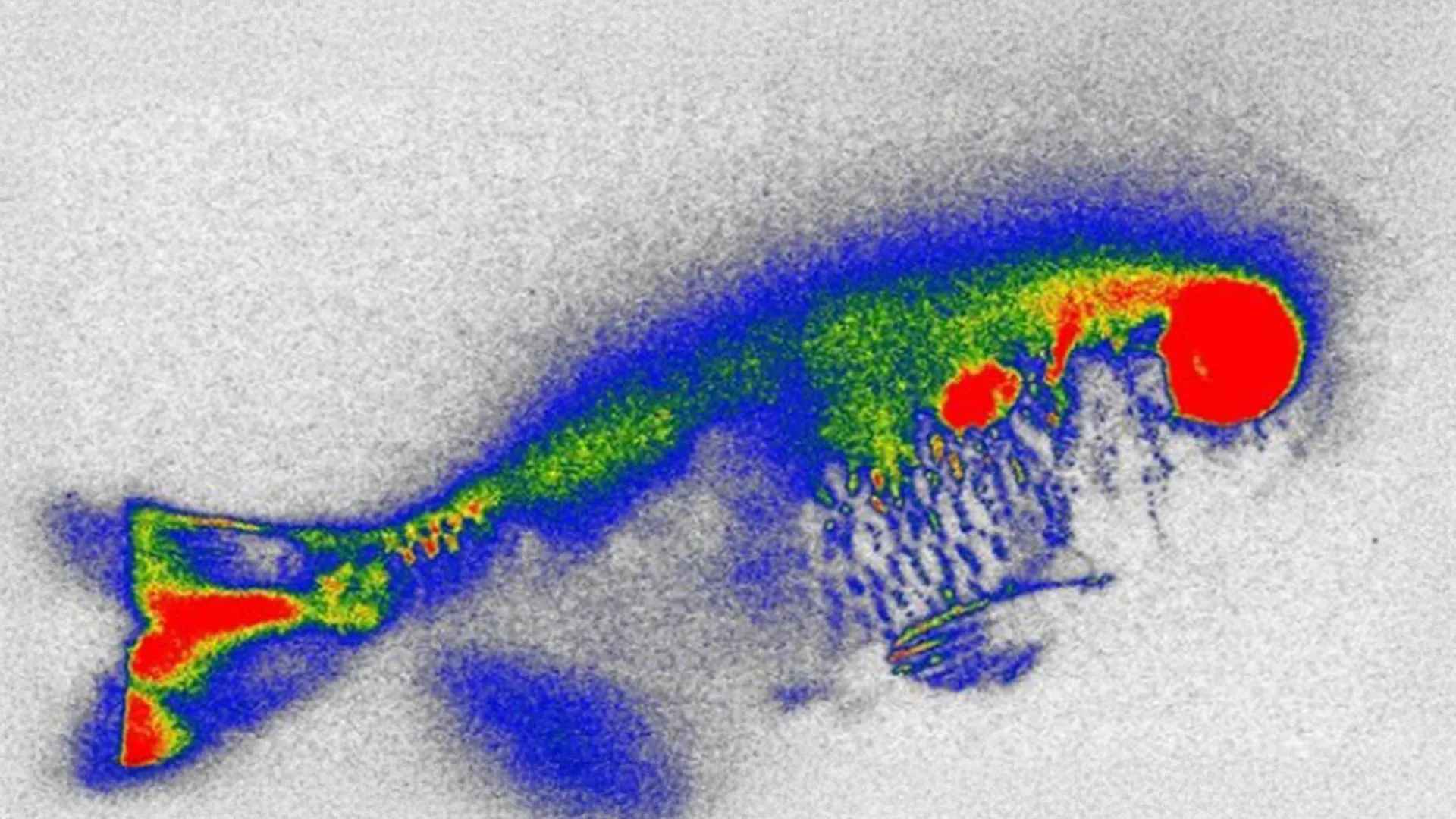
- Chloramphenicol: The banned antibiotic was detected in lambari fish (Astyanax sp.) at tens of micrograms per kilogram during the dry season, raising food‑safety concerns.
- Enrofloxacin: This widely used veterinary antibiotic was also measured in sediment at levels exceeding those reported in similar studies worldwide.
- Salvinia auriculata: In laboratory experiments the floating plant removed >95% of enrofloxacin from water within days, but only 30‑45% of chloramphenicol, with longer half‑lives for the latter.
- Lambari fish: Exposure experiments showed that lowering water antibiotic levels with Salvinia sometimes increased the rate at which fish absorbed chloramphenicol, while enrofloxacin was eliminated quickly with low tissue accumulation.
- DNA damage: Chloramphenicol caused significant genotoxic effects in fish blood cells, which were mitigated when Salvinia was present; enrofloxacin’s genetic impact was unchanged.
- Researchers: The team warned that harvested Salvinia biomass must be managed to avoid re‑releasing antibiotics, highlighting limits of nature‑based remediation.
Why it matters: Consumers of lambari fish risk ingesting chloramphenicol, a prohibited drug linked to toxicity, while local authorities face a new public‑health threat from antibiotic residues in the Piracicaba River. The study shows that Salvinia auriculata can cut water concentrations, but may also accelerate fish uptake and requires careful biomass handling, limiting its immediate usefulness.
Ask SkimNews