Pakistan Brokered Iran Ceasefire Fails Hours After — SkimNews

Get the Geopolitics newsletter
Daily geopolitics — wars, elections, sanctions, the diplomatic moves that move markets. Free.
- Pakistan brokered a ceasefire between the United States, Israel, and Iran on April 7, with assistance from China.
- Attacks resumed within hours of the ceasefire, and both sides declared victory while Israel continued its campaign against Hezbollah.
- JD Vance called the truce “fragile,” noting the lack of enforcement mechanisms and the parties’ unwillingness to bear political costs.
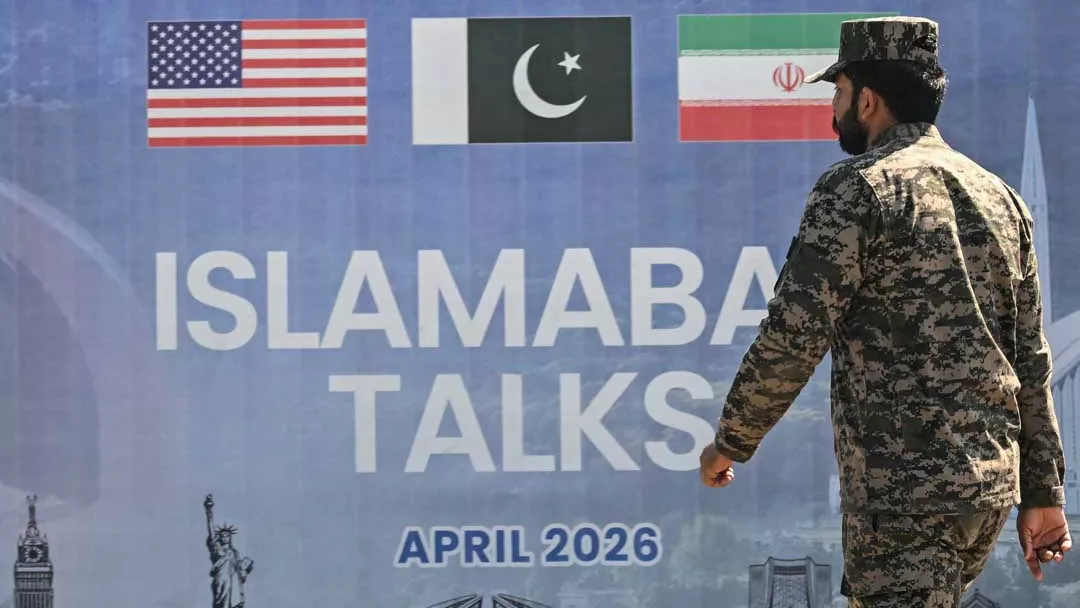
- Strait of Hormuz barely reopened after the ceasefire, and follow‑on talks were scheduled for Islamabad.
- United States withdrew its leadership role, leaving a gap filled by Qatar, Turkey, the UAE, Saudi Arabia, Pakistan and Indonesia.
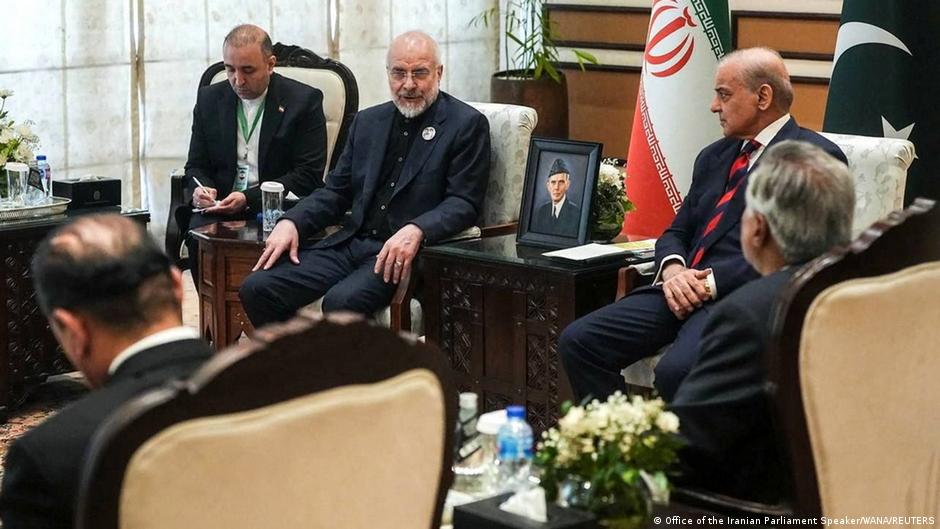
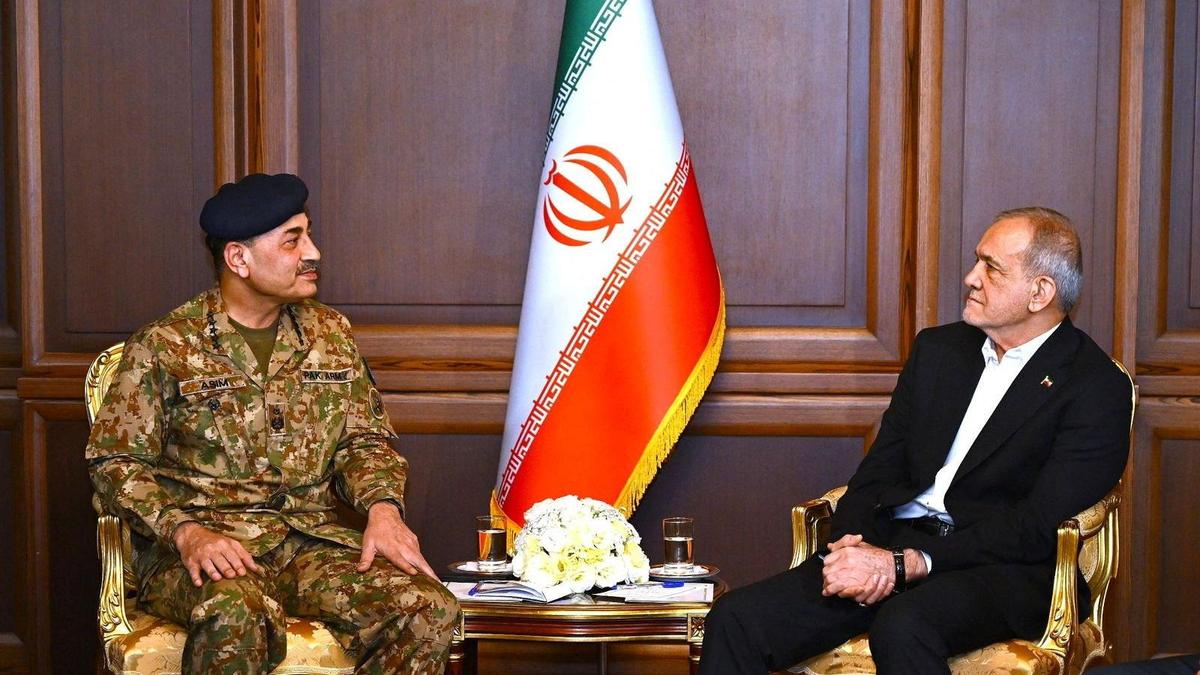
- Middle‑power facilitators such as Pakistan, Qatar and Turkey have access to the parties but lack leverage and accountability to enforce lasting peace.
Why it matters: The ceasefire’s rapid collapse shows that without credible coercive pressure or political will, diplomatic facilitation alone cannot halt hostilities, leaving the United States, Israel and Iran to continue fighting while middle‑power brokers remain marginal and accountable, limiting any real progress toward peace.
Ask SkimNews