Microglia Depletion Restores Sleep in Alzheimer's Mice — SkimNews

Get the Health newsletter
Daily health & science — research, biotech, public health, the studies worth knowing. Free.
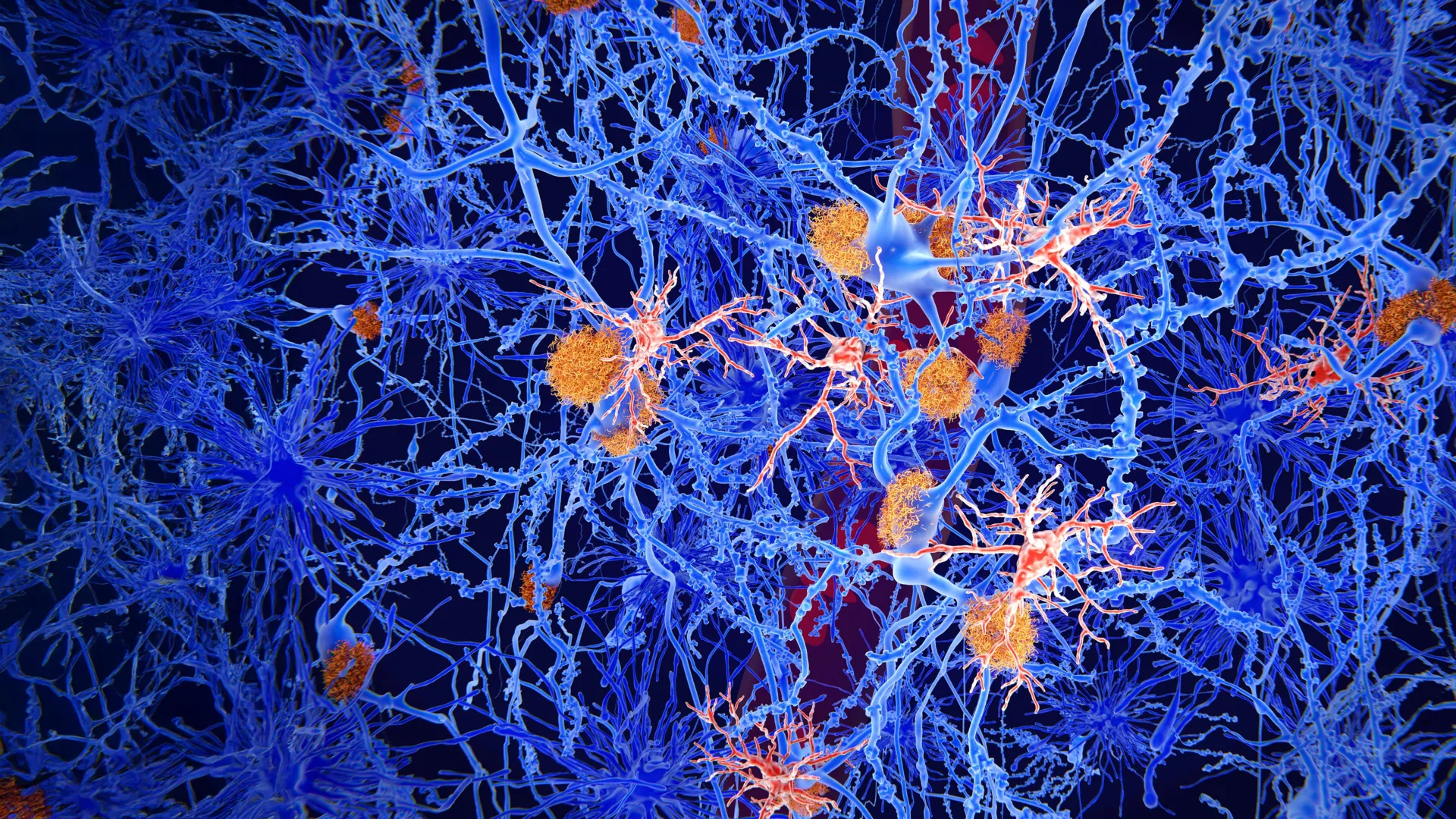
- University of Kentucky researchers led by Shannon L. Macauley, Ph.D., published in Alzheimer's & Dementia findings identifying microglia — not amyloid plaques — as the primary cause of sleep disruption in Alzheimer's disease.
- Pexidartinib (PLX3397), a drug originally developed for cancer research, depleted approximately 87% of microglia in mice over 14 days and restored more than two hours of sleep per day, including deep NREM stages, without reducing existing plaques.
- First author Nicholas J. Constantino, Ph.D. documented a "ceiling effect" — sleep disruptions emerged at 6 months when plaques first appeared but did not worsen by 18 months, even though plaque burden more than doubled in that window.
- Alzheimer's pathology selectively disrupted NREM sleep — the deep, restorative stages tied to memory consolidation and brain waste clearance — while normal aging in wild-type mice primarily reduced REM sleep instead.
- The team paired EEG/EMG electrodes with light-sheet microscopy to track sleep stages and assemble 3D maps showing where microglia were responding to amyloid plaque distribution across the brain.
- Macauley called the discovery "paradigm-shifting," framing it as a direct challenge to the prevailing view that sleep problems stem primarily from damaged neurons or accumulating plaques.
Why it matters: For the Alzheimer's research field, the finding reframes sleep loss as an immune-driven inflammation problem treatable without touching the disease's hallmark plaques — Pexidartinib restored over two hours of sleep in mice while leaving amyloid deposits fully intact, pointing to a treatment strategy that decouples symptom relief from the long, difficult path of plaque clearance.
Ask SkimNews