Microglia, Not Plaques, Drive Alzheimer's Sleep Loss: Mouse Study — SkimNews

Get the Health newsletter
Daily health & science — research, biotech, public health, the studies worth knowing. Free.
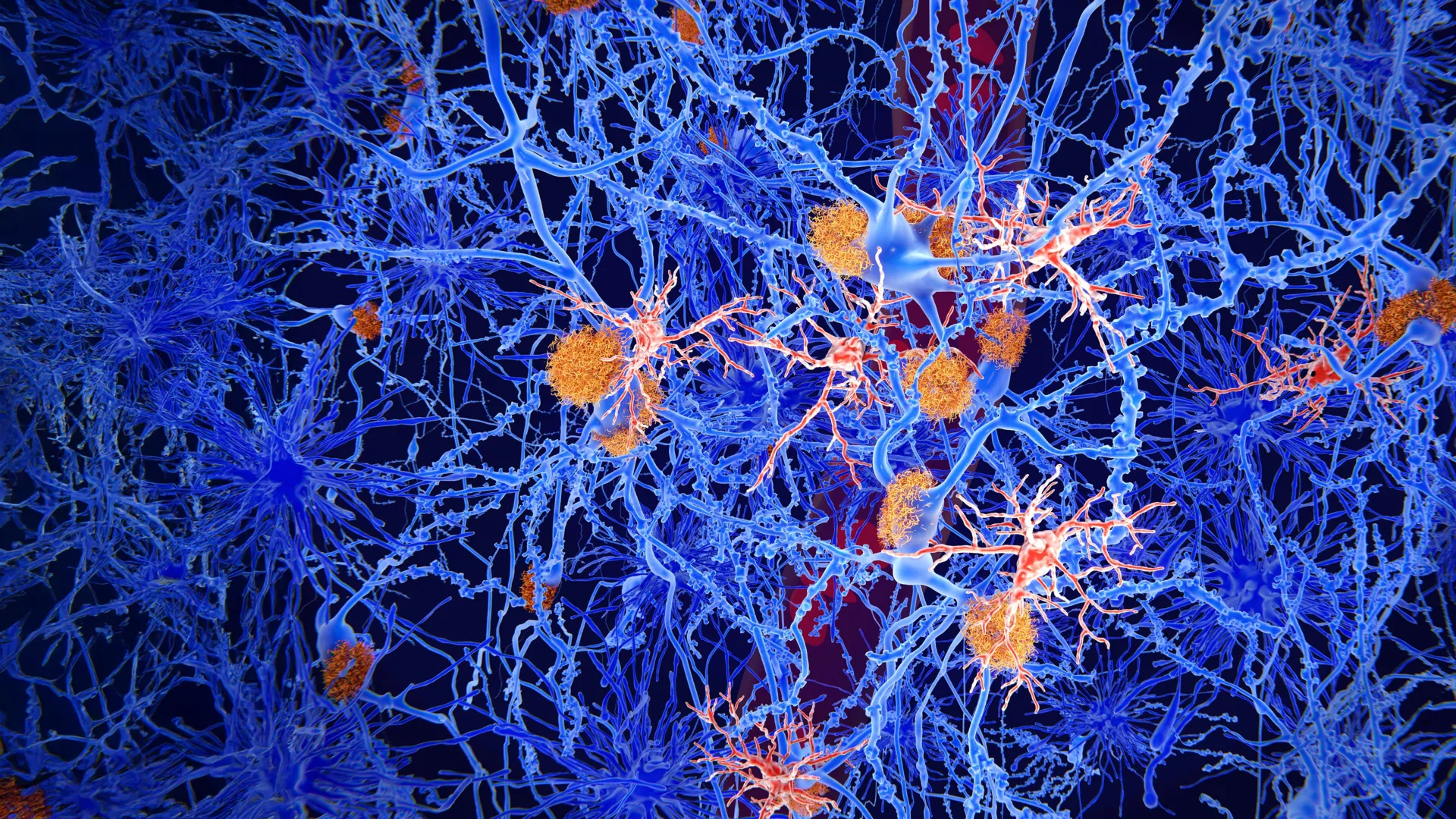
- Shannon L. Macauley and colleagues at the University of Kentucky found that depleting ~87% of microglia using the drug PLX3397 (Pexidartinib) restored more than two hours of sleep per day in Alzheimer's-model mice — without reducing amyloid plaque burden.
- Macauley, an associate professor of physiology, called the discovery "paradigm-shifting," arguing it overturns the long-held view that plaques or neuron damage themselves cause sleep loss, pointing instead to inflammatory cascades triggered when microglia respond to plaques.
- The team, publishing in Alzheimer's & Dementia, identified a "ceiling effect": sleep disruption emerged at six months when plaques first appeared and did not significantly worsen by 18 months, even though plaque burden more than doubled — suggesting early microglial activation is the critical trigger.
- Alzheimer's pathology selectively disrupted NREM (deep, restorative) sleep, while normal aging in wild-type mice primarily reduced REM sleep — a mechanistic distinction the team demonstrated using EEG/EMG recordings and light-sheet microscopy.
- First author Nicholas J. Constantino said he expected worsening plaque load to progressively worsen sleep disruption, but the data showed cortical EEG disruptions present at six months remained largely stable through 18 months.
- Researchers hypothesize that loss of restorative NREM sleep — which normally helps clear metabolic waste — could feed a self-reinforcing cycle, making the microglial pathway a potential new treatment target beyond plaque-clearing approaches.
- PLX3397 was originally developed for cancer research and works by blocking a survival signal microglia depend on, raising questions about whether the approach could translate to human Alzheimer's care.
Why it matters: Roughly 30% of older adults experience sleep disturbance tied to Alzheimer's, and decades of drug development have focused on clearing amyloid plaques with limited success. This study repositions microglia-driven inflammation as the actionable target, and the 87% depletion restoring two-plus hours of sleep in mice offers a quantitative benchmark that any human therapy would need to meet or beat.
Ask SkimNews