Osteoporosis Drug Blocks Spinal Damage in Zebrafish Study — SkimNews

Get the Health newsletter
Daily health & science — research, biotech, public health, the studies worth knowing. Free.
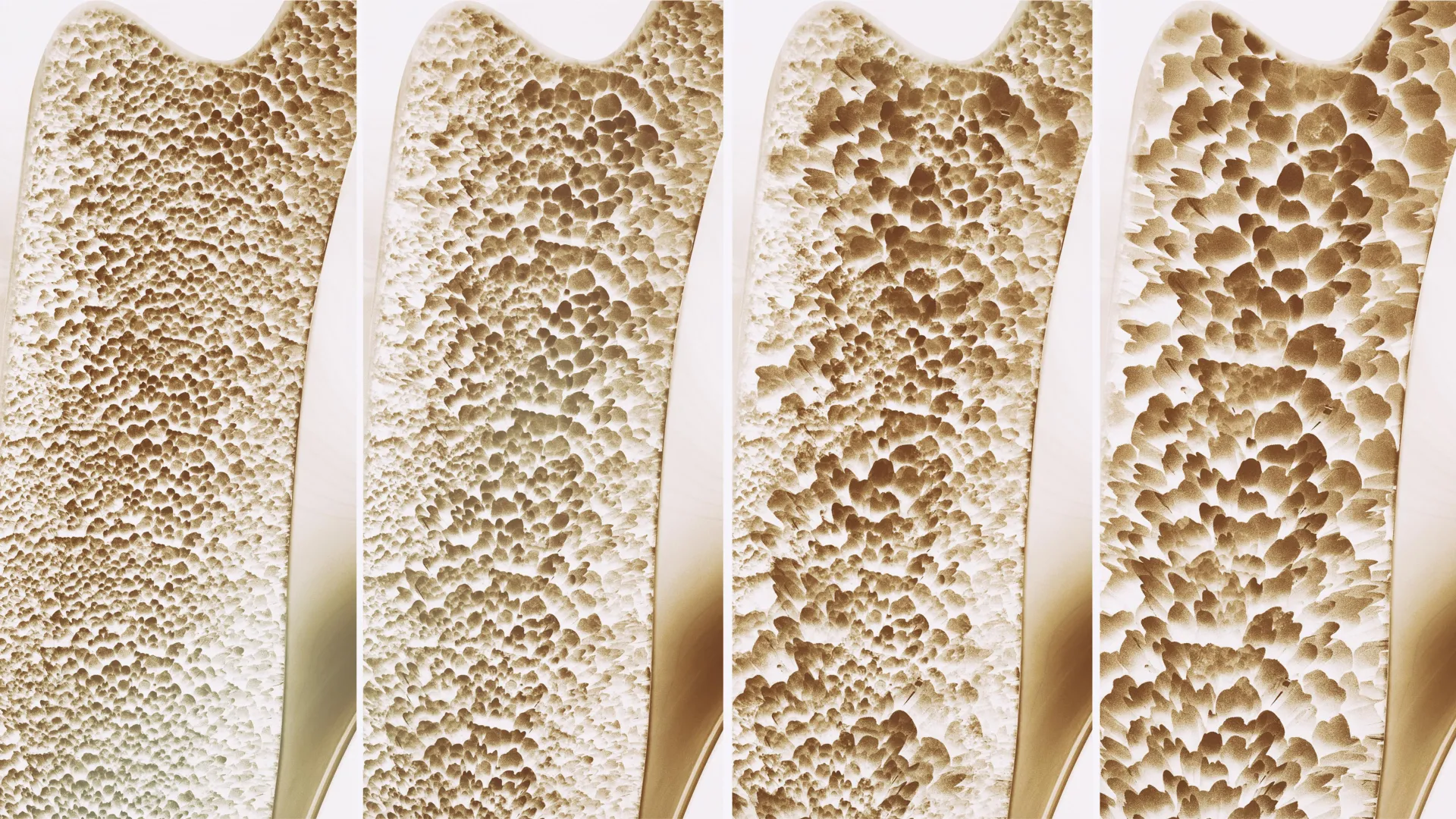
- University of Edinburgh and Bristol researchers bred zebrafish without a functioning collagen IX gene; the fish developed vertebral fusion and mineral-hardened tissue between their bones, closely mirroring human intervertebral disc degeneration (IVDD)
- Bisphosphonate, a bone-protecting drug already prescribed for osteoporosis, prevented minerals from accumulating and reduced spinal fusion in the zebrafish
- Caloric restriction (less food) and drugs suppressing fat metabolism also reduced spinal fusion, identifying fat processing as a second therapeutic target alongside phosphate regulation
- Gene activity analysis flagged disruptions in the mTOR growth pathway, phosphate control, and vitamin A signaling — each previously linked to abnormal mineral buildup
- Mineralization was a delayed consequence, not an immediate one: a supportive scaffold layer within the developing spine deteriorated first, and mineral deposits appeared only after that structural damage
- Dr. Erika Kague of Edinburgh's Institute of Genetics and Cancer led the work, published in Communications Biology and funded by Arthritis UK and BBSRC
- No medications currently halt or reverse IVDD, with surgery remaining the only long-term option for the progressive disc deterioration that drives most back pain
Why it matters: An already-approved bisphosphonate offers the first drug-based candidate to slow the spinal mineralization driving disc degeneration, potentially sparing the 9.5 million UK back-pain sufferers (per Arthritis UK) from surgery-only options. The work also establishes zebrafish as a tractable screening model for testing future disc-disease therapies.
Ask SkimNews