Numbat Bounces Back as Australia Faces Extinction Crisis — SkimNews
Get the Energy newsletter
Daily energy & climate — solar, EVs, oil, the policy fights and tech bets shaping the transition. Free.
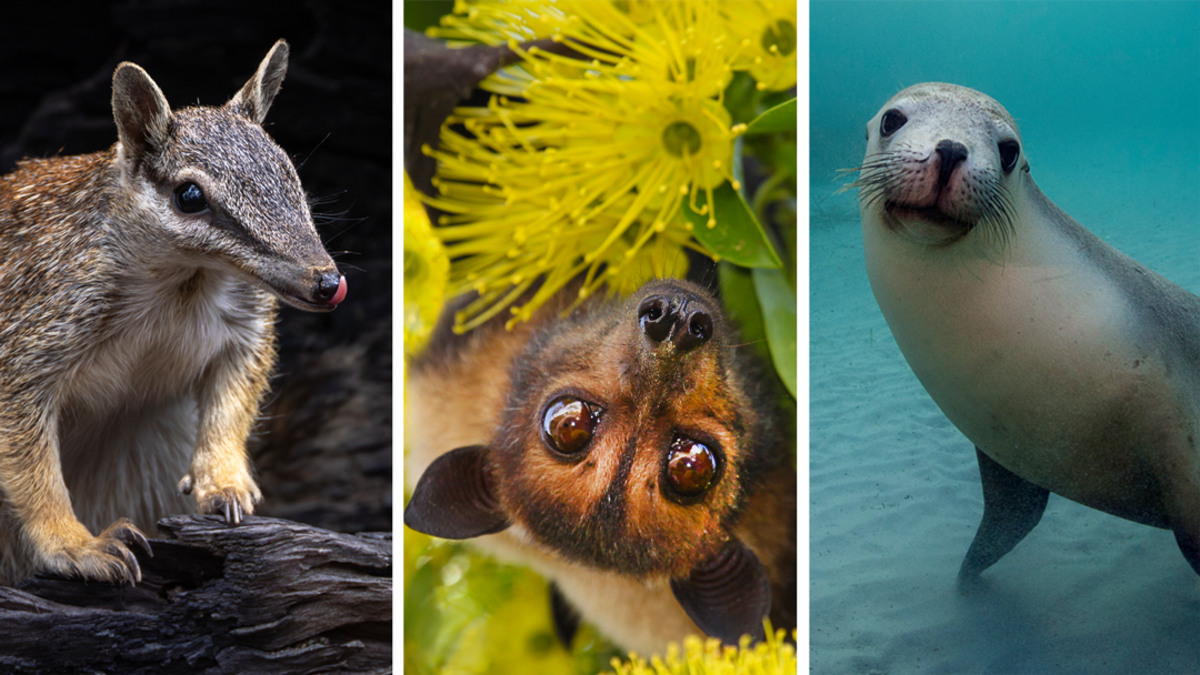
- Numbats were removed from the international red list of threatened species this month after recovery efforts at Dryandra Woodland, where the population had fallen to fewer than 50 in the 1980s when researcher Dr Tony Friend arrived
- Australia loses roughly four species every decade and leads the world in mammal extinctions, with researchers confident at least 100 species have been lost despite the government's official extinctions list sitting at 67
- The 2019-20 Black Summer bushfires killed an estimated three billion animals, compounding pressures from feral cats, foxes, cane toads, chlamydia (devastating koalas), chytrid fungus (causing seven frog extinctions) and extreme heat killing flying foxes in their thousands
- Labor, in office since 2022 on a promise of no new extinctions, passed revamped environment laws last year called the most significant reform in a generation, but the National Environmental Standards and a federal watchdog to enforce them are still being developed
- Robert Hill, Australia's longest-serving environment minister, told the BBC his own administration 'should have done more too,' conceding that 30 years of successive governments have failed to adequately protect the environment
- More than 80% of Australia's plant and animal species exist nowhere else on Earth, making ecologist Jack Pascoe's warning that the country's biodiversity 'underpins everything' — from food production and tourism to potential medical breakthroughs — especially stark
Why it matters: Australia's extinction rate of roughly four species per decade is stable, but the number of threatened species is climbing and the deterioration of many is gathering speed. With 80% of species found nowhere else, the country's failure to halt losses costs the world irreplaceable biodiversity that underpins its economy, scientific potential, and First Nations culture.
Ask SkimNews


