10,800 US Schools Now Run on Solar — Batteries Lag — SkimNews
Get the Energy newsletter
Daily energy & climate — solar, EVs, oil, the policy fights and tech bets shaping the transition. Free.
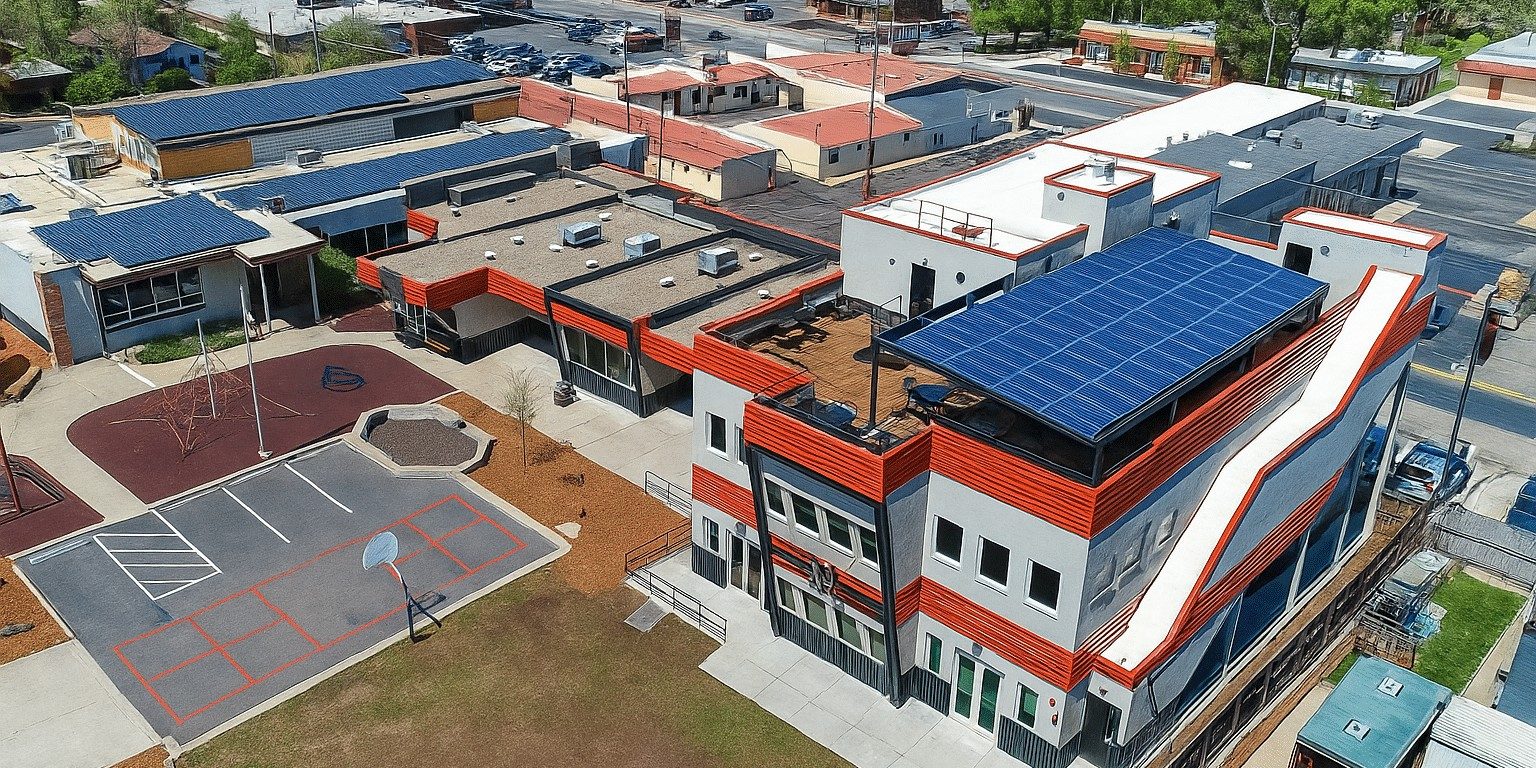
- Generation180's sixth Brighter Future report finds more than 10,800 US K-12 schools are solar-powered, serving over 7 million students; the count has nearly doubled from 5,450 in 2016 while combined solar capacity tripled to over 2.4 gigawatts.
- California leads with 2,921 solar-powered schools, followed by New Jersey, New York, Illinois, and Arizona; Virginia, Connecticut, Pennsylvania, New Jersey, and New York added the most new school solar capacity between 2021 and 2025.
- Roanoke City Public Schools in Virginia is installing 9.4 MW of solar across 29 sites, projected to save the district $46.5 million in energy costs over 35 years.
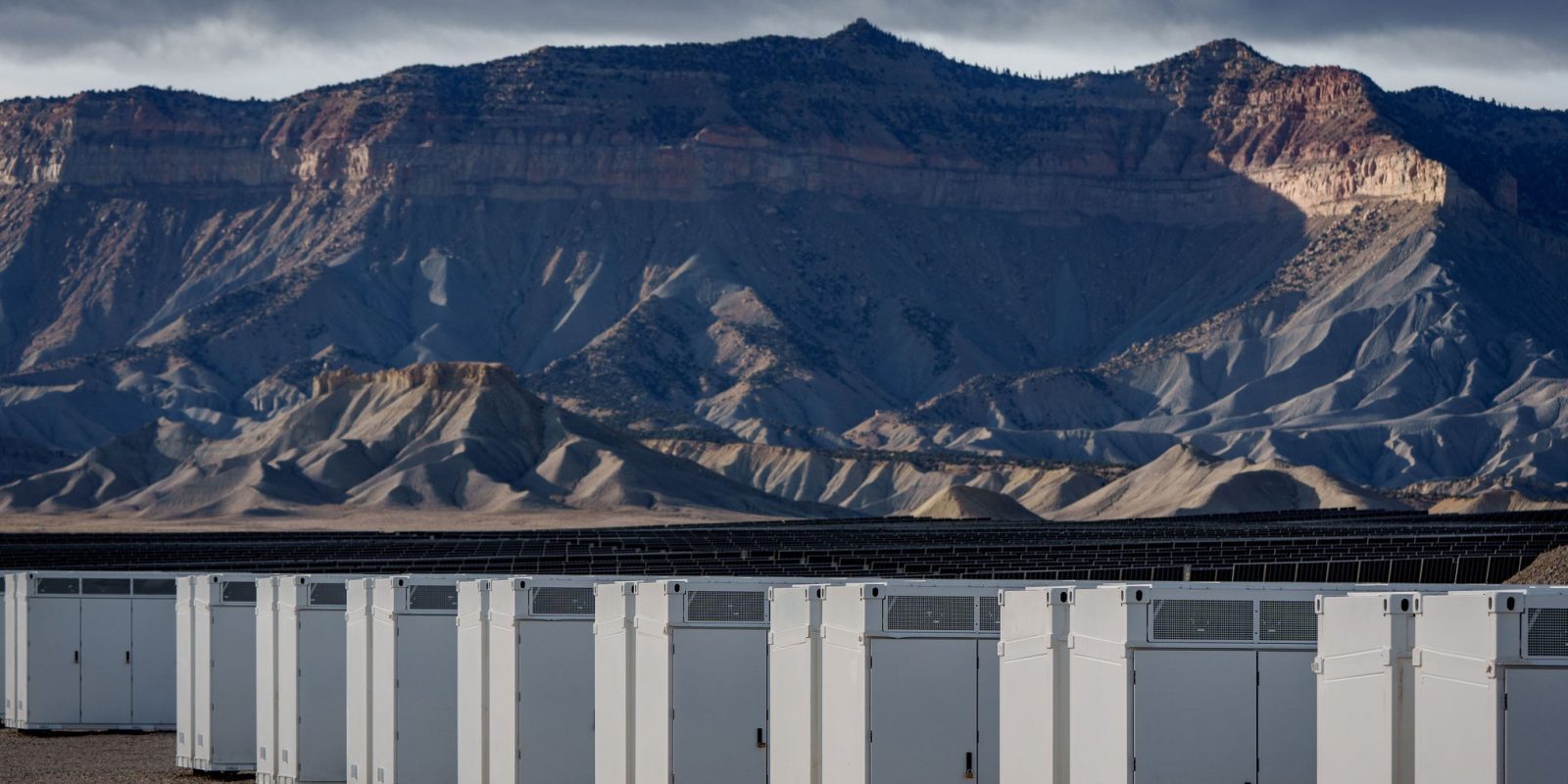
- Battery storage remains rare at K-12 schools: only 155 systems installed since 2016 — less than 0.1% of US K-12 schools — with California accounting for roughly 70% of the national total.
- Trump's 2025 tax law accelerated the end of clean electricity tax credits for new wind and solar projects that began construction after July 4, 2026, and are placed in service after December 31, 2027, but IRS guidance specifically exempts energy storage from that accelerated deadline.
- Public schools can still access the federal Clean Electricity Investment Credit through elective pay, creating an opening for battery additions even as the window for new school solar tightens.
- About one-third of US public K-12 schools serve as FEMA-designated emergency shelters, a fact Generation180 cites to argue schools should be turned into clean-powered community resilience hubs.
Why it matters: For budget-pressed districts, solar translates directly into classroom dollars — Roanoke's 9.4 MW project alone projects $46.5 million in energy savings over 35 years. The federal tax-credit timeline creates a narrow window: new school solar faces a July 4, 2026 construction deadline, while battery storage remains eligible, giving districts a final stretch to pair resilience upgrades with solar before incentives tighten on one side and stay open on the other.
Ask SkimNews