Brain's Overnight Waste-Disposal System Tied to Alzheimer's — SkimNews

Get the Health newsletter
Daily health & science — research, biotech, public health, the studies worth knowing. Free.
- Jeffrey Iliff and colleagues discovered the glymphatic system in 2012 by injecting fluorescent tracers into living mouse brains, revealing that waste travels along the outside of small arteries through channels between astrocyte endfeet and blood vessel walls.
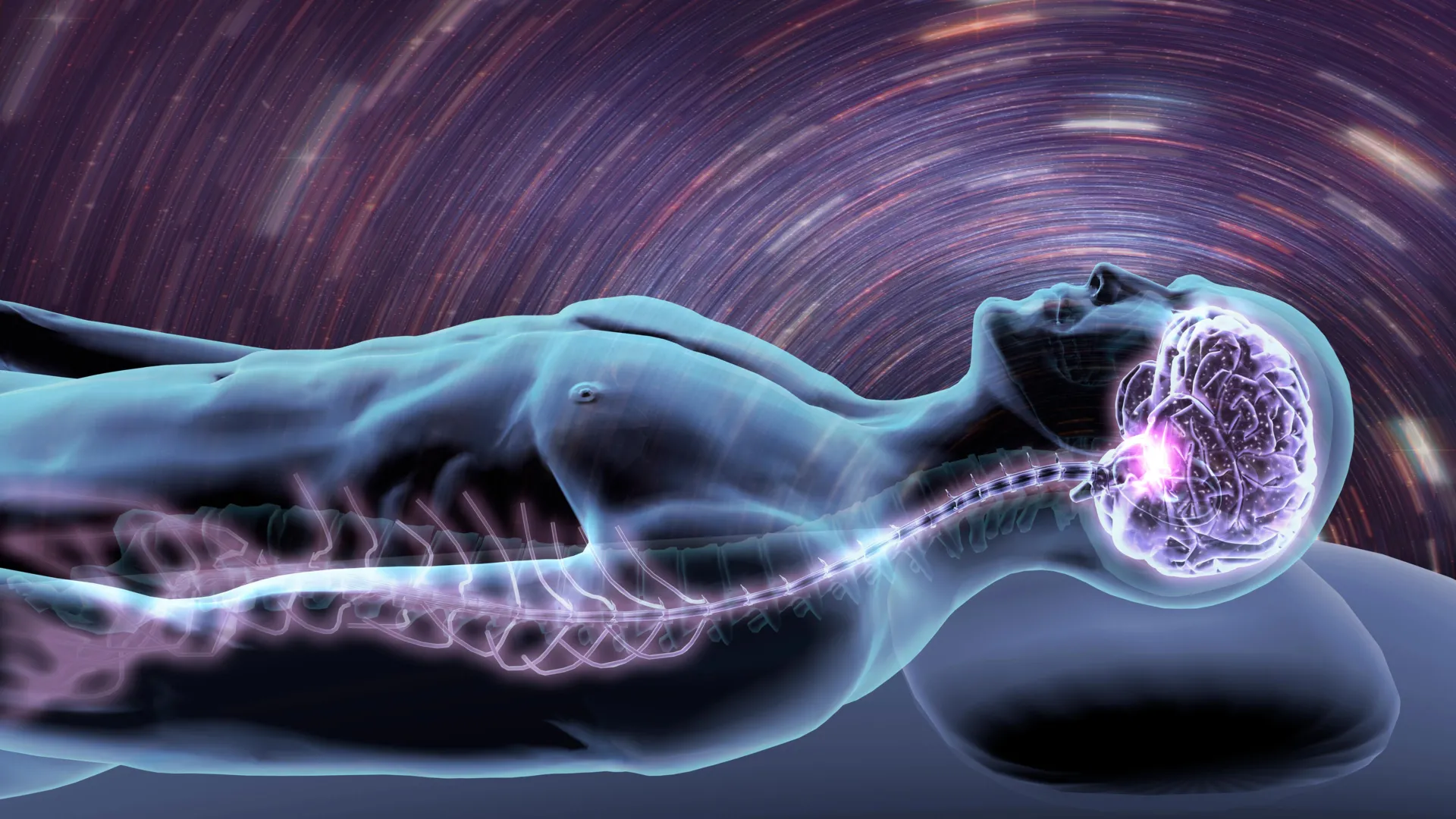
- Maiken Nedergaard's 2013 mouse study found glymphatic flow dropped ~95% upon waking, with beta-amyloid cleared roughly twice as fast during sleep; Natalie Hauglund's later work showed noradrenaline oscillates every ~50 seconds during non-REM sleep, gently pumping fluid through brain arteries.
- Geir Ringstad and Per Kristian Eide at the University of Oslo demonstrated the system works similarly in humans and that just one night without sleep reduces tracer removal from people's brains.
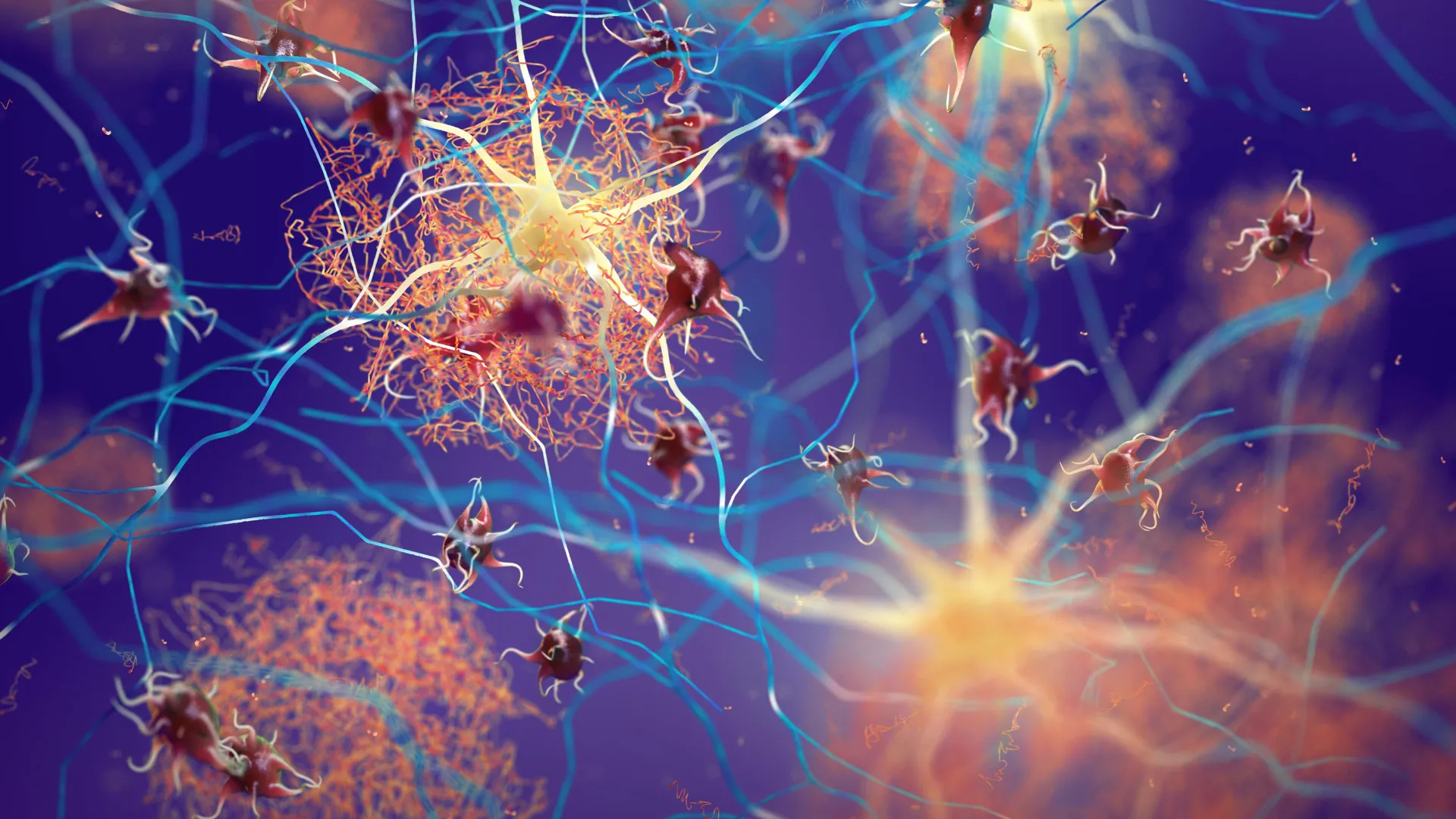
- Impaired glymphatic clearance has been linked not only to Alzheimer's (beta-amyloid and tau accumulation) but also to Parkinson's, migraine, major depressive disorder, post-stroke cognitive impairment, and early psychosis.
- The widely used DTI-ALPS MRI method is disputed — Ringstad and Eide's February comparison found little correlation with gold-standard tracer methods, prompting Iliff to warn that "a big part of the field is running away with a technique that is invalid."
- Near-infrared light therapy is being tested: a 57-person dementia study using a helmet 6 minutes twice daily for 8 weeks showed some cognitive improvements, while a 5-person Vielight headset pilot reported gains after 12 weeks but lacked a placebo group.
Why it matters: With roughly 55 million people living with dementia worldwide and no disease-modifying treatment, the glymphatic system represents a potentially modifiable target — but the field's heavy reliance on a disputed MRI method (DTI-ALPS) means many published findings may not reliably measure what they claim, slowing progress toward validated prevention strategies before near-infrared light, ultrasound, or sleep-based interventions can be responsibly recommended.
Ask SkimNews