Solar and Storage Take 91% of New US Power Capacity — SkimNews

Get the Energy newsletter
Daily energy & climate — solar, EVs, oil, the policy fights and tech bets shaping the transition. Free.
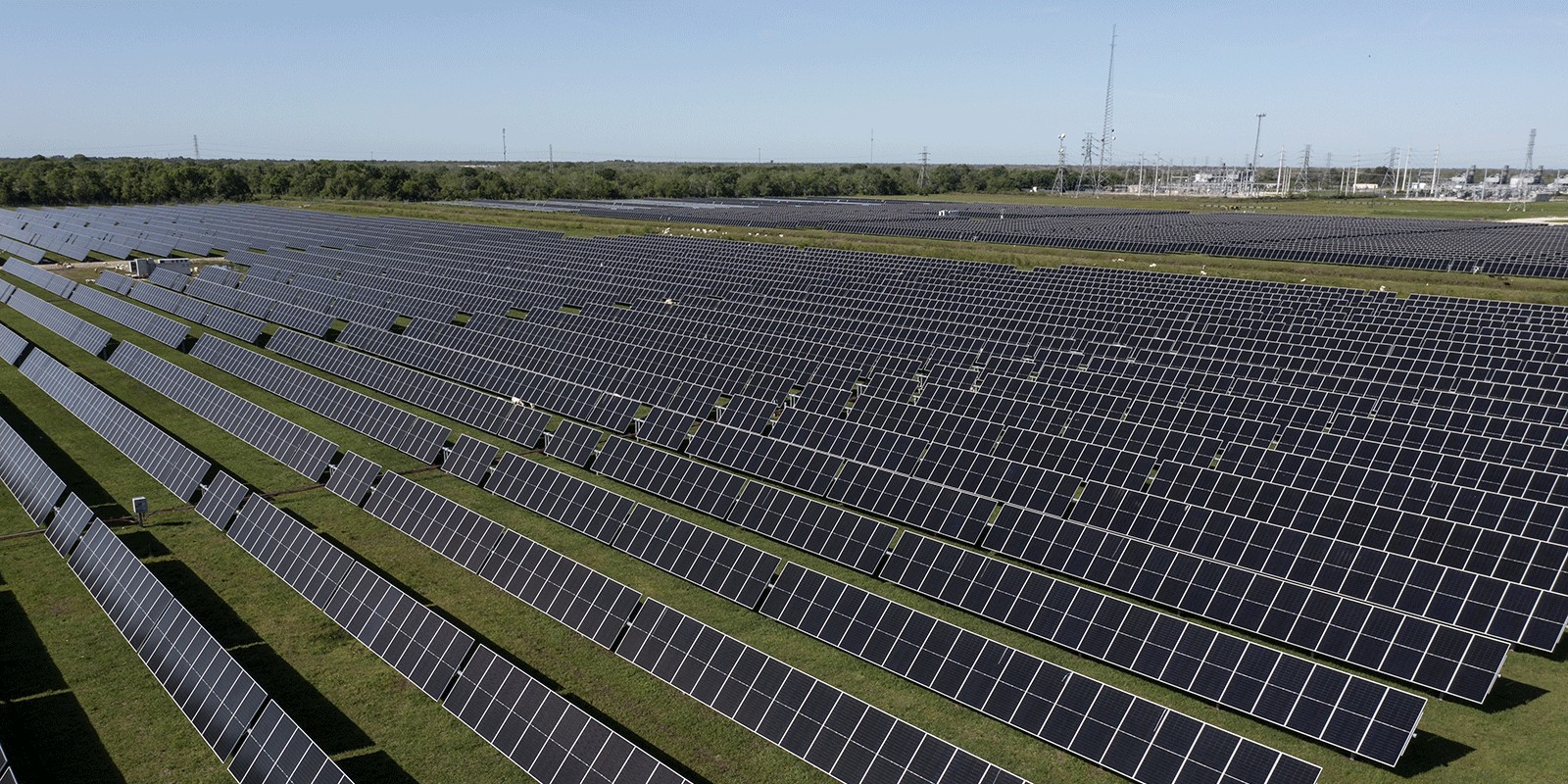
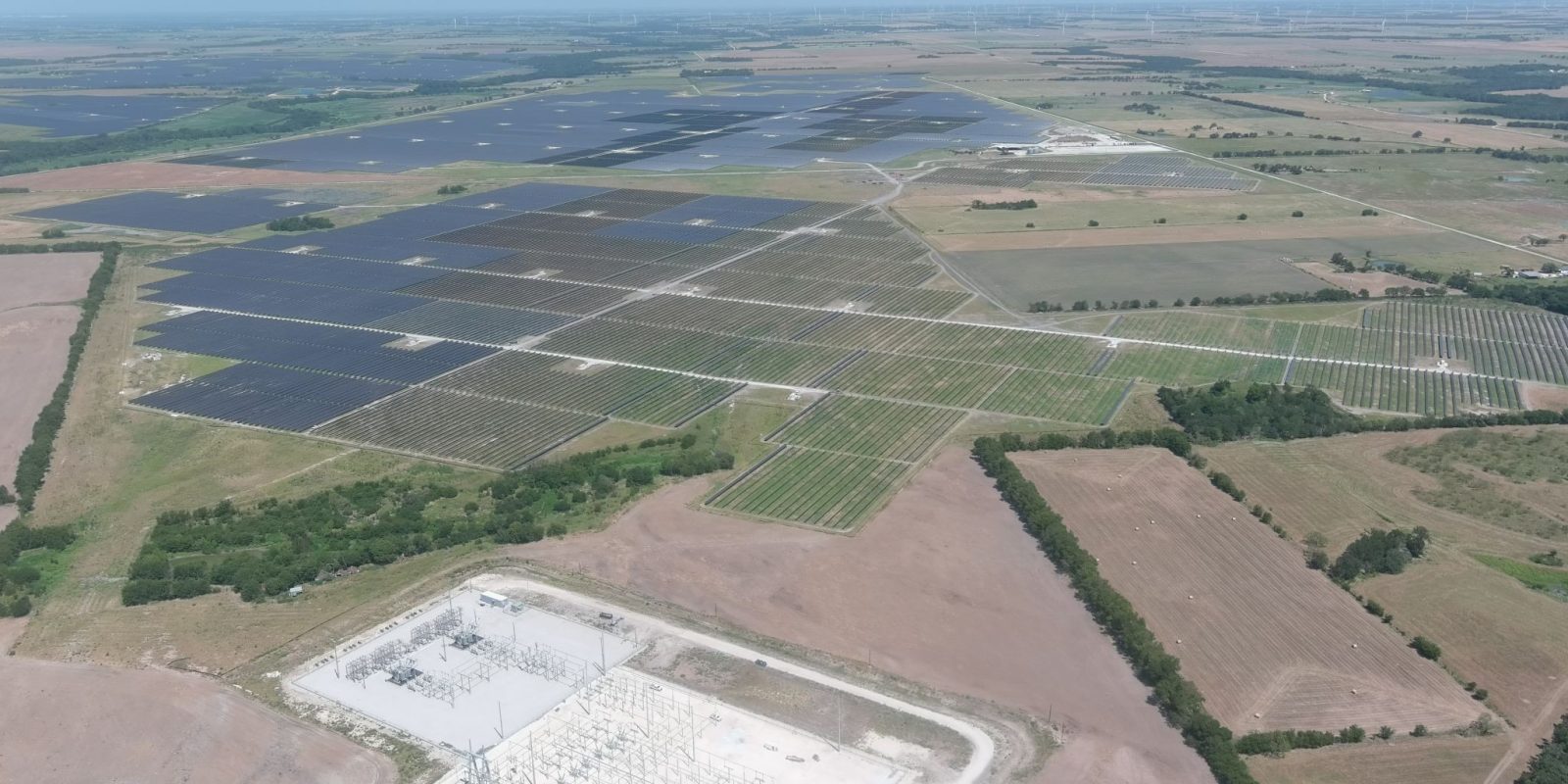
- Solar and storage accounted for 91% of all new US power capacity in Q1 2026, with 7.8 GW of solar pushing the country past 6 million total installations, per SEIA and Wood Mackenzie.
- Utility-scale solar contracts jumped 15% year-over-year, driven in part by tech companies racing to secure power for AI data centers amid climbing electricity demand and gas supply uncertainty.
- Red states accounted for 74% of all new solar capacity installed in Q1, with Texas, Florida, Ohio, Indiana, Michigan, Arizona, and Mississippi all ranking in the top 10 — a detail that complicates the narrative of solar's political alignment.
- SEIA raised its industry forecast but warned that 457 solar and storage projects are currently stuck waiting on permits, which Darren Van't Hof said could push electricity prices higher.
- Wood Mackenzie's Michelle Davis said the industry expects solar growth to flatten over the next five years despite rising electricity demand, calling permitting bottlenecks 'near-term headwinds.'
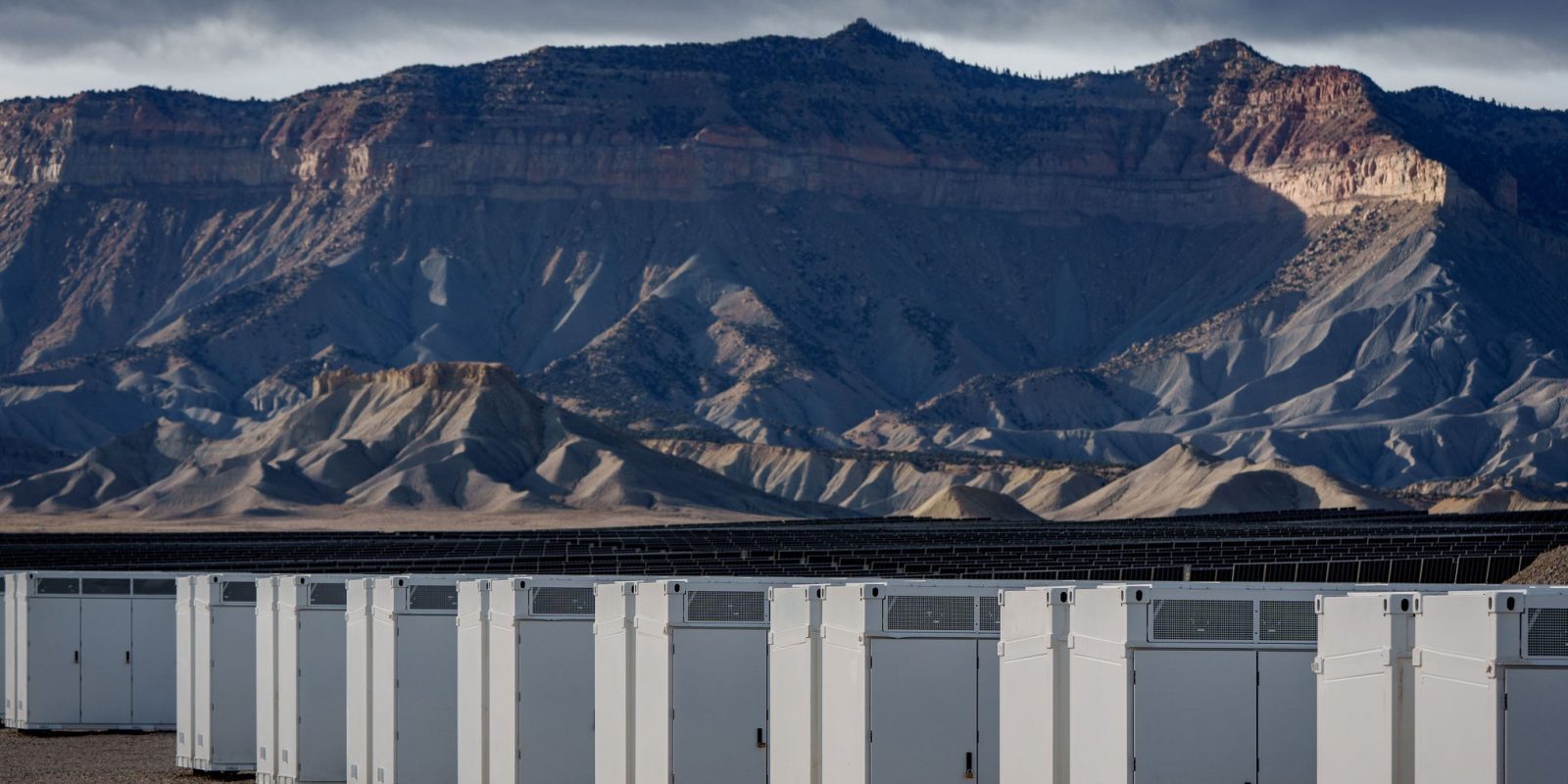
- Residential solar is expected to fall 21% in 2026, though a record 45% of homeowners paired solar panels with batteries in Q1 for backup power and lower bills.
Why it matters: The 91% share shows solar and storage have stopped being an alternative and started crowding out everything else on the US grid, with utility-scale procurement up 15% YoY as AI data center demand reshapes who the anchor customers are. The catch: 457 projects are stuck in permitting, and SEIA's own forecast calls for flatlined growth through 2031 — meaning the bottleneck is regulatory, not market demand.
Ask SkimNews