Iran war: How US consumers spent an additional $100bn on fuel — SkimNews

Get the Geopolitics newsletter
Daily geopolitics — wars, elections, sanctions, the diplomatic moves that move markets. Free.
- US consumers paid an additional $100bn for petrol and diesel in the six months since the US-Israel war on Iran began February 28, per Brown University's Watson Institute tracker, averaging roughly $763 per household across 131 million households.
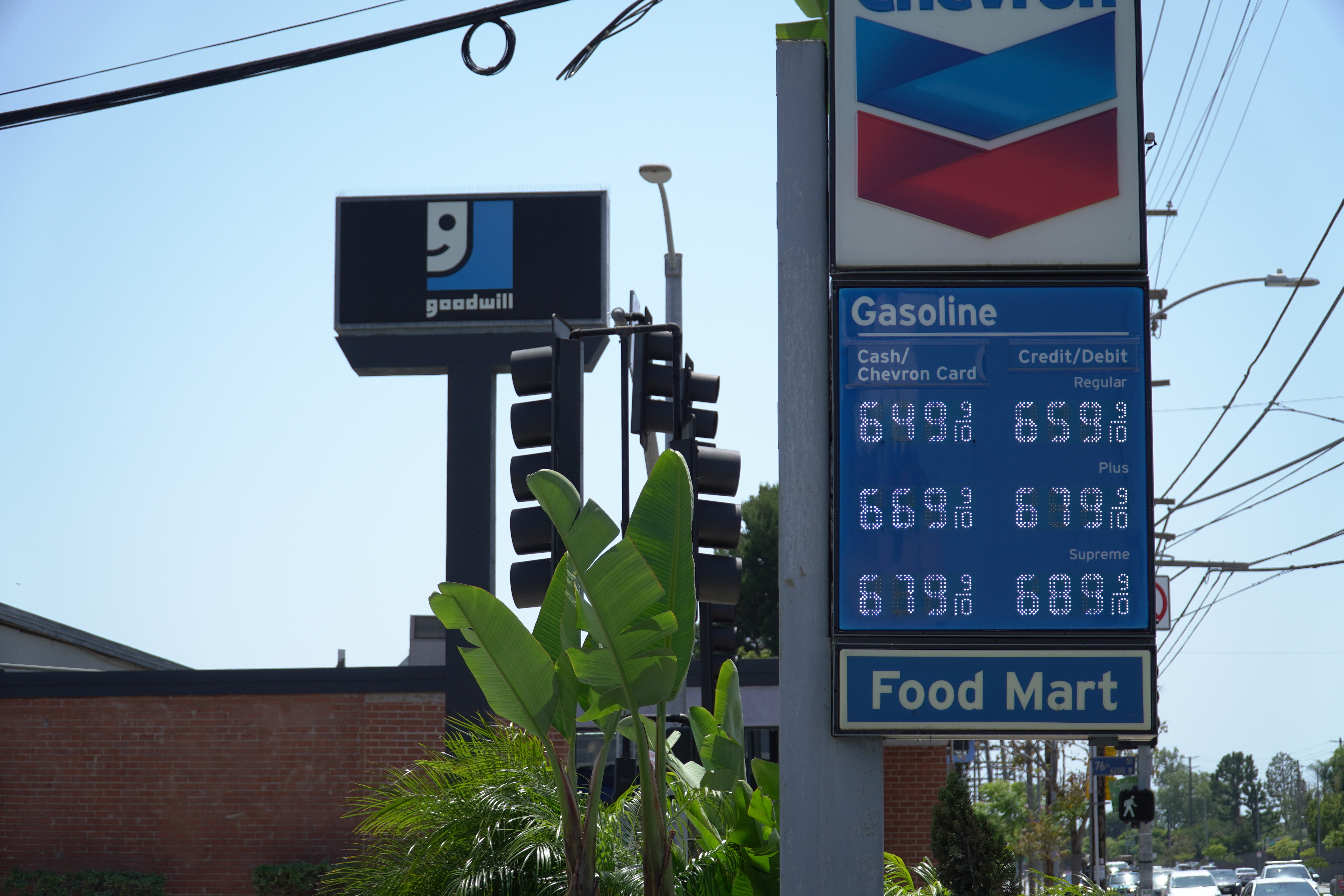
- Petrol prices climbed 39% from about $2.98 to $4.15 per gallon, while diesel jumped more than 60% from $3.67 to $5.90 per gallon since the war started.
- California posts the nation's highest average petrol price at $5.85/gallon, followed by Washington ($5.51), Hawaii ($5.39), Alaska ($5.03), and Oregon ($5.01); Indiana has the lowest at $3.43/gallon.
- President Trump claimed the war would last four to five weeks, but it has entered its sixth month with no diplomatic breakthrough; a majority of Americans blame him for rising fuel prices, and he dismissed concerns in a Reuters interview saying "If they rise, they rise," while accusing oil companies of "price gouging."
- Rising fuel costs cascade through food production—fertilizer, tractor fuel, refrigeration, packaging, and truck transport—with lower-income countries facing heightened risk of food shortages because they spend a larger share of earnings on food and import large quantities of grain and fertiliser.
Why it matters: 131 million US households are out roughly $763 each, and the war's sixth month directly contradicts Trump's four-to-five-week prediction. Diesel-heavy sectors—trucking, agriculture, freight—are absorbing a 60% diesel surge that compounds the farm-to-shelf food inflation the article traces, while lower-income import-dependent nations face acute food-shortage risk.
Ask SkimNews