Governance Gaps Drive Avalanche Deaths, Study Finds — SkimNews

Get SkimNews daily
A curated daily digest across 7 categories: geopolitics, tech, finance, health, energy, sports, culture. Free.
- Research published in Communications Earth & Environment finds that preparedness, not avalanche size, decides casualty outcomes.
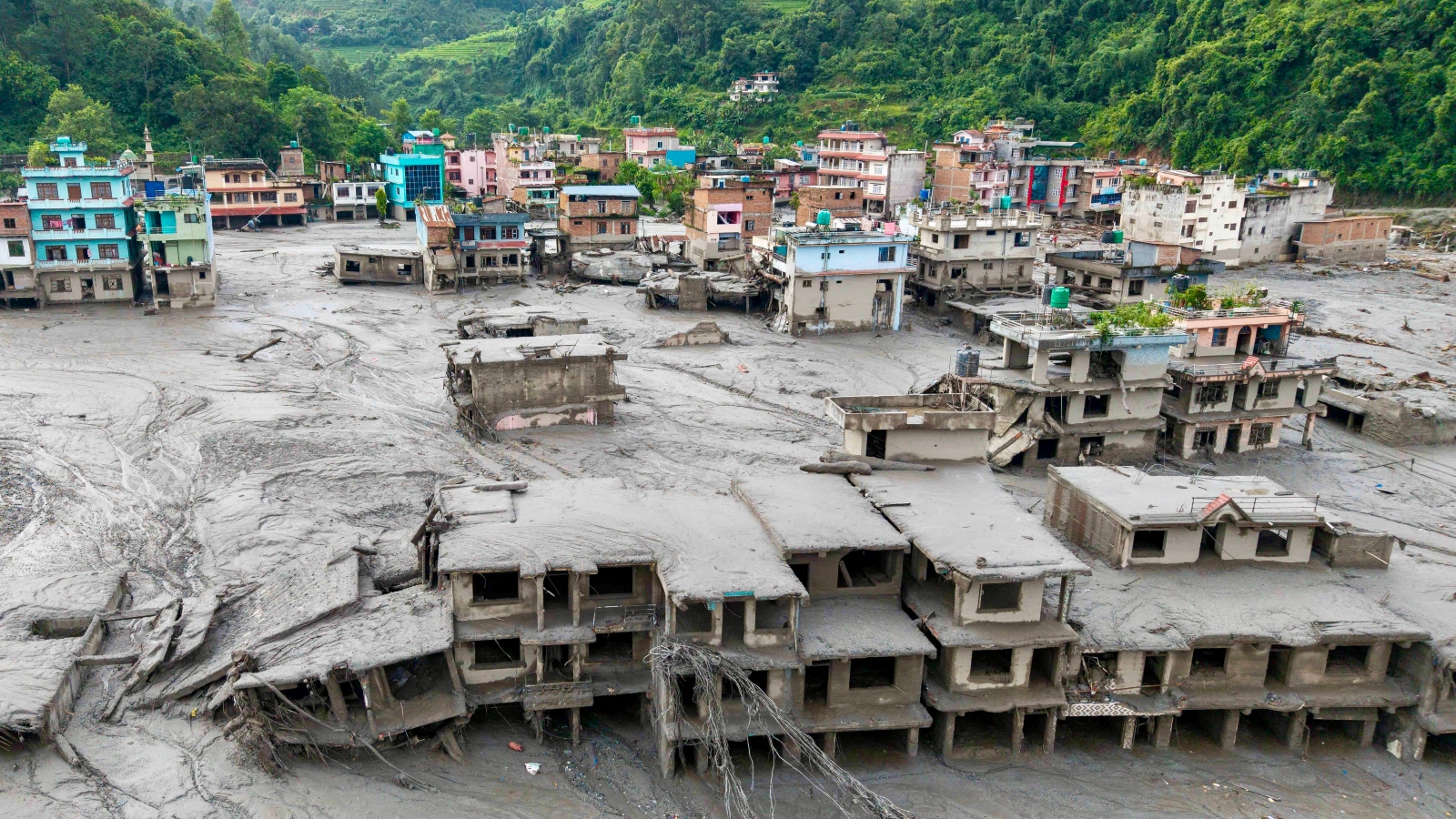
- Chamoli 2021 ice‑rock avalanche in India killed over 200 people, lacking operational monitoring and evacuation plans.
- Blatten 2025 avalanche in Switzerland buried the village but caused minimal casualties thanks to continuous slope monitoring, clear evacuation protocols, and community awareness.
- Dr. Anshuman Bhardwaj described mountain disasters as governance tests and highlighted missed warning signs in Chamoli versus anticipated risks in Blatten.
- Dr. Lydia Sam warned that Himalayan disaster‑management remains reactive and based on outdated hazard categories despite accelerating glacier destabilization.
- The paper outlines five practical steps for anticipatory governance, including integrated satellite and ground monitoring, decision thresholds, rapid communication, decentralized evacuation authority, and community‑linked preparedness.
- Dr. Rayees Ahmed concluded that the cost of preparedness is far lower than the cost of catastrophe for Himalayan regions.
Why it matters: Himalayan governments and development partners stand to save lives and cut economic losses by adopting the study’s five‑step anticipatory governance framework, while continued reliance on reactive, outdated hazard categories risks repeat tragedies like Chamoli’s 2021 death toll and further strain regional disaster‑response budgets.
Ask SkimNews