Microplastics in over 75% of pet food, study finds — SkimNews
Get the Energy newsletter
Daily energy & climate — solar, EVs, oil, the policy fights and tech bets shaping the transition. Free.
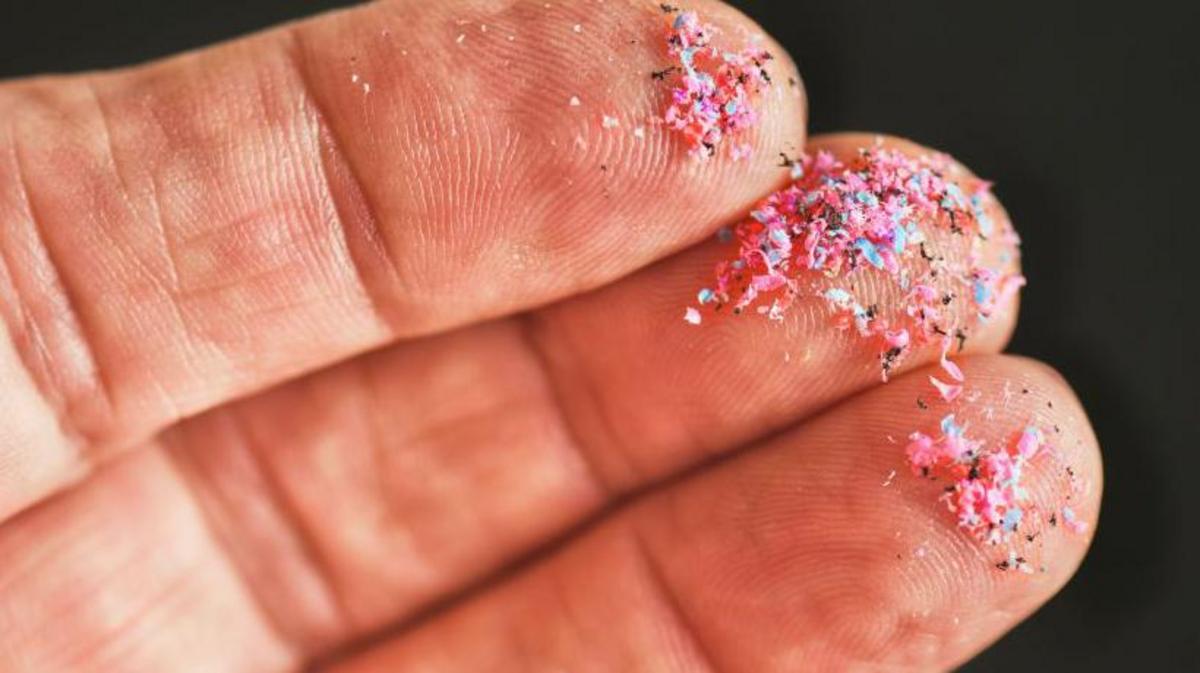
- Universities of Sussex and Exeter researchers found microplastics in 16 of 19 pet food brands tested, including "very well-known ones" sold to dogs, cats and wild animals
- Cheaper "value range" products contained more microplastics than premium brands, according to the study
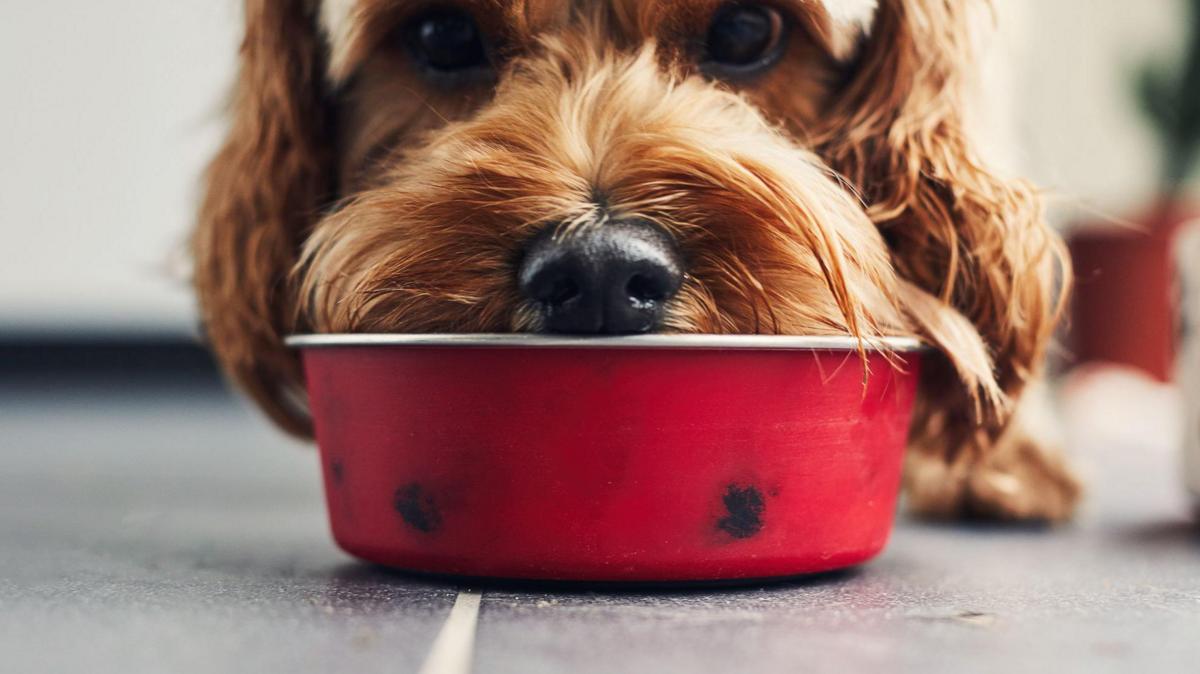
- Wet food leads to higher daily microplastic intake than dry food, despite lower concentrations per serving, because pets need to eat more of it to meet energy requirements
- Researchers are urging the government to introduce new regulations requiring processed food manufacturers to test for microplastic contamination, similar to existing chemical-contamination rules
- Food Standards Agency's Dr. James Cooper said the agency considers it unlikely microplastics in food or pet food would cause harm, though it will keep the evidence under review
- Prof Tamara Galloway (Exeter) said the results show pets are exposed to the same chemical pollutants as humans, while Prof Fiona Mathews (Sussex) warned pets may be inadvertently spreading plastic pollution through their faeces
- Blue Cross's Alison Thomas flagged additional exposure routes beyond food, including plastic bowls, bottled water, plastic toys and plastic packaging
Why it matters: With microplastics detected in 16 of 19 major brands, pet owners face an exposure source they likely never considered — and the feeding format matters as much as the brand, since wet food drives higher daily intake despite lower concentrations. The researchers' call for mandatory testing mirrors existing chemical-contamination rules, putting pressure on manufacturers and the FSA to act even though the agency currently judges harm unlikely.
Ask SkimNews