Pakistan Brokers US-Iran Talks, Sidelining India — SkimNews

Get the Geopolitics newsletter
Daily geopolitics — wars, elections, sanctions, the diplomatic moves that move markets. Free.
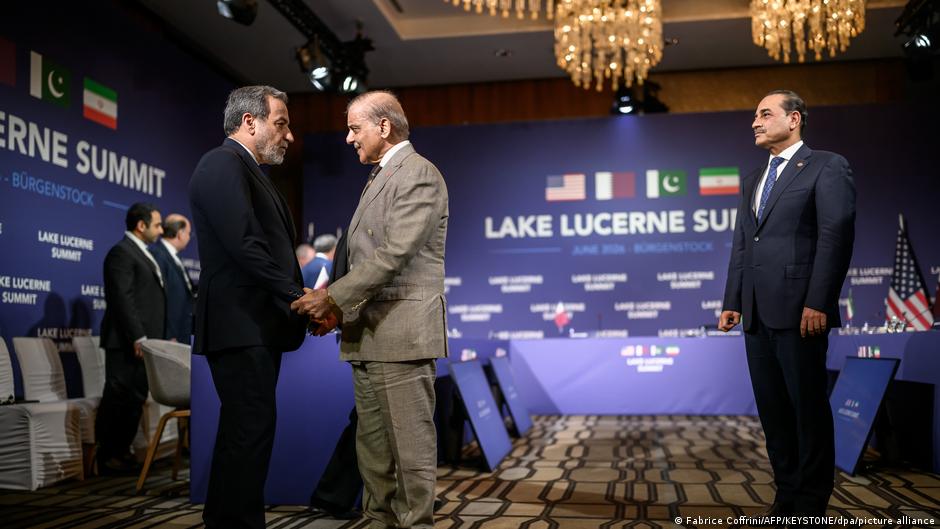
- Asim Munir and PM Shehbaz Sharif maintained separate backchannels relaying messages between Trump and Iranian President Masoud Pezeshkian, and Pakistan secured a deal letting its ships transit the Strait of Hormuz
- On March 29, Pakistan hosted cease-fire talks with Egypt, Turkey, and Saudi Arabia; days later, its foreign minister visited Beijing, where Pakistan and China released a five-part peace plan
- Indian FM S. Jaishankar called Pakistan a 'dalal' (fixer), while PM Modi was reduced to a single phone call from Trump — with Elon Musk listening in — about the Middle East crisis
- Pakistan turned the May 2025 India-Pakistan military clash into leverage by letting Trump claim credit for a cease-fire and nominating him for the Nobel Peace Prize, while a 'sullen' Modi insisted the decision was his own
- Trump imposed high tariffs on Indian goods, briefly restricted Indian purchases of Russian crude, and US officials have publicly said Washington will not repeat past 'mistakes' with China by facilitating India's rise; the Quad has been deprioritized
- India backed Israel and the US at the start of the Iran war, forfeiting arbiter credibility, and has since had to phone Tehran to request passage for cooking gas ships through the Strait of Hormuz
- The source flags that Pakistan's mediation rests on a 'brittle foundation' tied to Munir and a transactional White House, exposing Islamabad to retaliation if the talks collapse
Why it matters: Pakistan's newfound diplomatic relevance — built on a single army chief's White House access and a transactional president — has unmoored India's decade-long strategy of isolating Islamabad, but the arrangement is inherently fragile and could collapse at the first failed negotiation, punishing Munir as swiftly as Trump elevated him.
Ask SkimNews