Semaglutide Tied to 21% Lower Bipolar Hospitalization Risk — SkimNews
Get the Health newsletter
Daily health & science — research, biotech, public health, the studies worth knowing. Free.
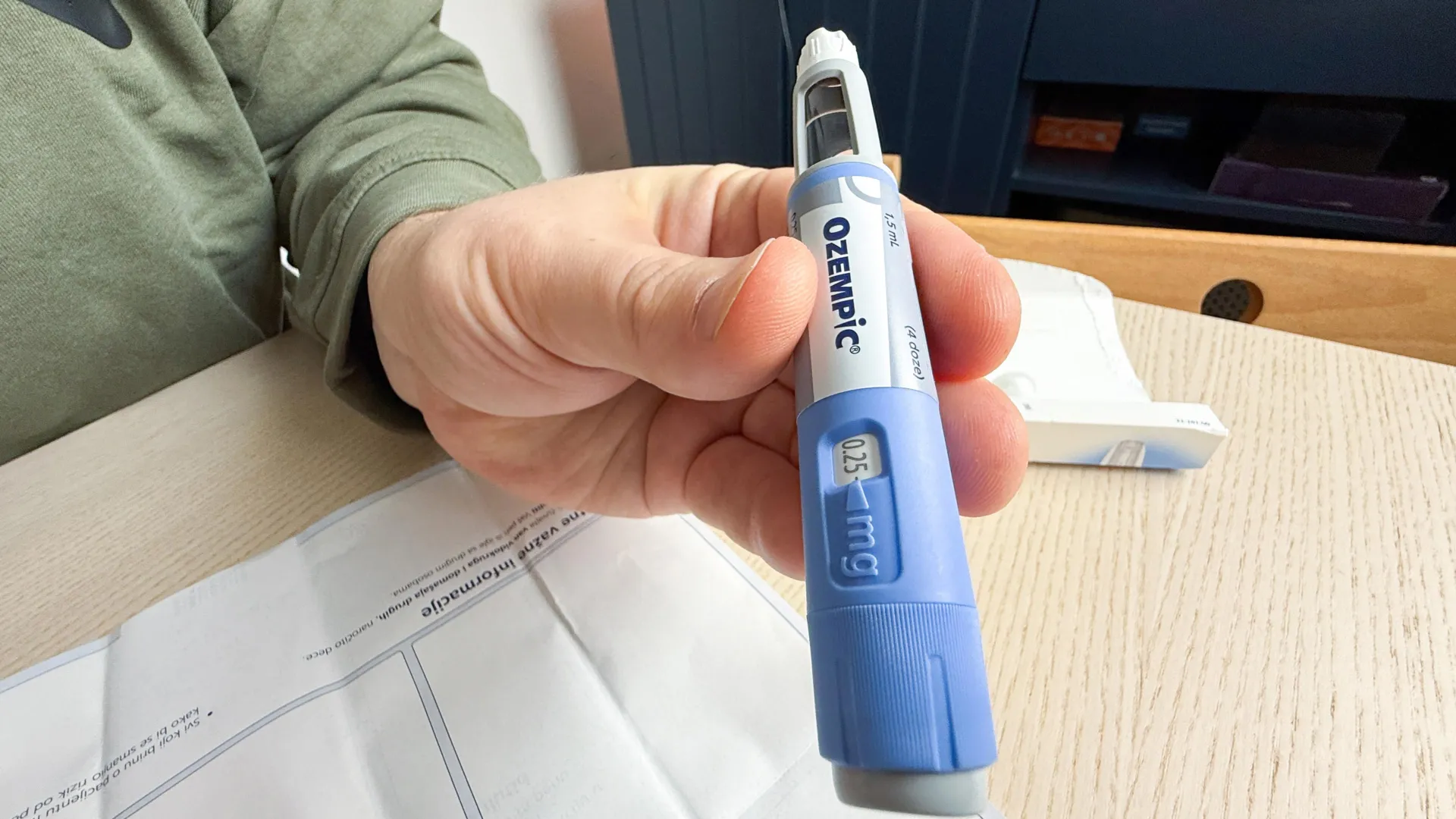
- Semaglutide use was associated with a 21% lower risk of psychiatric hospitalization in a nationwide Swedish cohort of nearly 15,000 people with bipolar disorder over a 15-year period (2009–2024).
- Researchers led by Professor Mark Taylor of Griffith University's School of Medicine and Dentistry analyzed the data, finding that periods on semaglutide showed significantly lower hospitalization rates than periods when patients were off GLP-1 medicines.
- Liraglutide and dulaglutide, two other GLP-1 medications included in the analysis, showed no association with reduced psychiatric hospitalization, suggesting the potential mental health benefit may not extend across the entire drug class.
- The study's authors hypothesize that semaglutide's effects on inflammation, cellular stress, and brain-related biological pathways could contribute to greater mood stability, though the mechanism has not been confirmed.
- Taylor called for a randomized controlled trial to determine whether semaglutide itself directly improves psychiatric outcomes, noting the current findings are observational.
- The paper was published in Acta Psychiatrica Scandinavica (DOI: 10.1111/acps.70120), and the study context notes roughly 37 million people worldwide live with bipolar disorder, per WHO estimates.
- Diabetes, obesity, and bipolar disorder frequently co-occur and may share underlying biological mechanisms, a comorbidity pattern the researchers cite as the rationale for investigating GLP-1 drugs in this population.
Why it matters: Because the 21% reduction is from observational Swedish data rather than a trial, Professor Mark Taylor is now calling for the randomized study that would actually confirm whether semaglutide itself improves psychiatric outcomes — and whether the signal extends to the roughly 37 million people worldwide living with bipolar disorder, most of whom take multiple psychiatric medications.
Ask SkimNews