Pakistan Emerges as Key US-Iran Mediator — SkimNews

Get the Geopolitics newsletter
Daily geopolitics — wars, elections, sanctions, the diplomatic moves that move markets. Free.
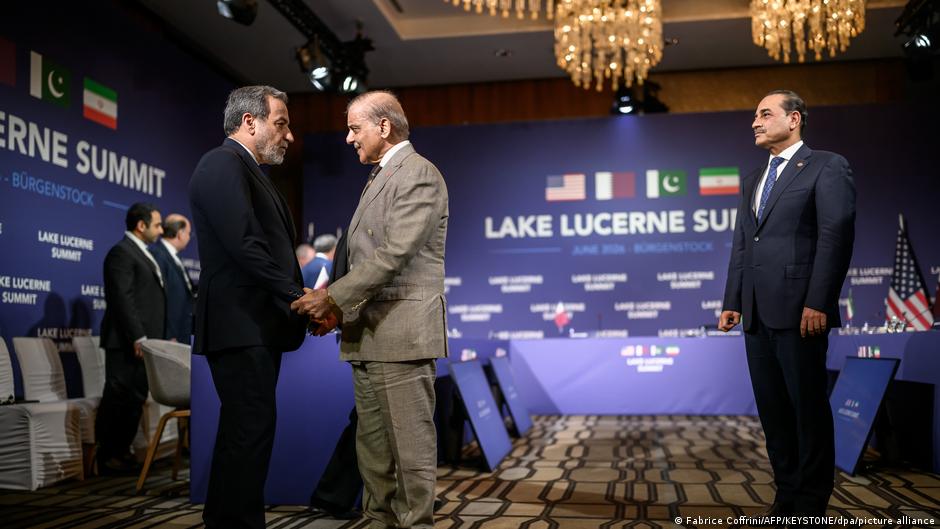
- Asim Munir and Shehbaz Sharif appealed directly to Trump, who on Tuesday extended the US-Iran ceasefire until Tehran submits a unified proposal, according to the article.
- Munir built ties with Trump while simultaneously engaging Iran's political leadership and the Revolutionary Guards Corps — an unorthodox dual-track mediation that CSIS's Alexander Palmer credited to Pakistan's participation in Trump's "Board of Peace" and 2025 Nobel Peace Prize nomination.
- Under Biden, US-Pakistan relations were in the "doldrums" — Biden never had a phone conversation with his Pakistani counterpart during his entire term, a contrast the article draws to Munir's personal access to Trump.
- Pakistan hosted the first round of US-Iran talks in Islamabad, with Vice President Vance among the attendees following the ceasefire.
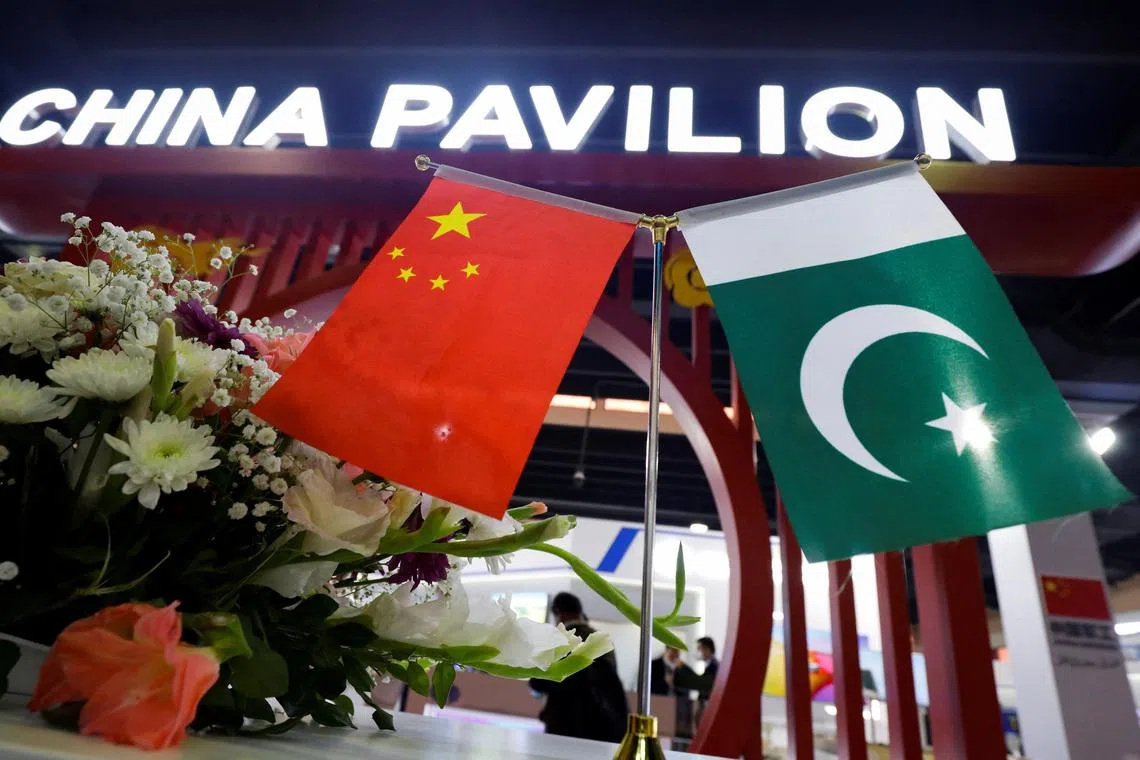
- The article draws a direct historical parallel: President Nixon's 1972 visit to China followed three years of Pakistan-brokered secret talks — and Palmer notes the US may now try to pry Pakistan away from China, though China remains Pakistan's largest arms provider.
- Brookings' Joshua T. White said the IRGC "harbors doubts about Islamabad's reliability" but views Pakistan as one of the few countries able to mediate with Washington.
Why it matters: Pakistan is simultaneously the broker and a prize: Munir's mediation gives Trump leverage over Tehran, but Pakistan's deep arms relationship with China — Beijing is by far its largest supplier — sets a hard ceiling on how far Islamabad can pivot toward Washington. Biden's refusal to even phone his Pakistani counterpart underscores how quickly the relationship has been rewritten in 16 months.
Ask SkimNews