This Sicilian community has endured for centuries. Can it survive a changing climate? — SkimNews

Get the Energy newsletter
Daily energy & climate — solar, EVs, oil, the policy fights and tech bets shaping the transition. Free.
- Piana degli Albanesi has lost 17% of its population since 2015, falling from 6,293 residents to 5,245 in 2024 — a decline rate nearly three times that of Sicily overall, with locals linking the exodus to farmland loss and climate stress.
- Sicily's microclimate around Piana has averaged 85°F summers with little rain over the past decade, and on August 11, 2021, the area recorded a European-record 119.8°F as the Mediterranean basin warms 20% faster than the global average.
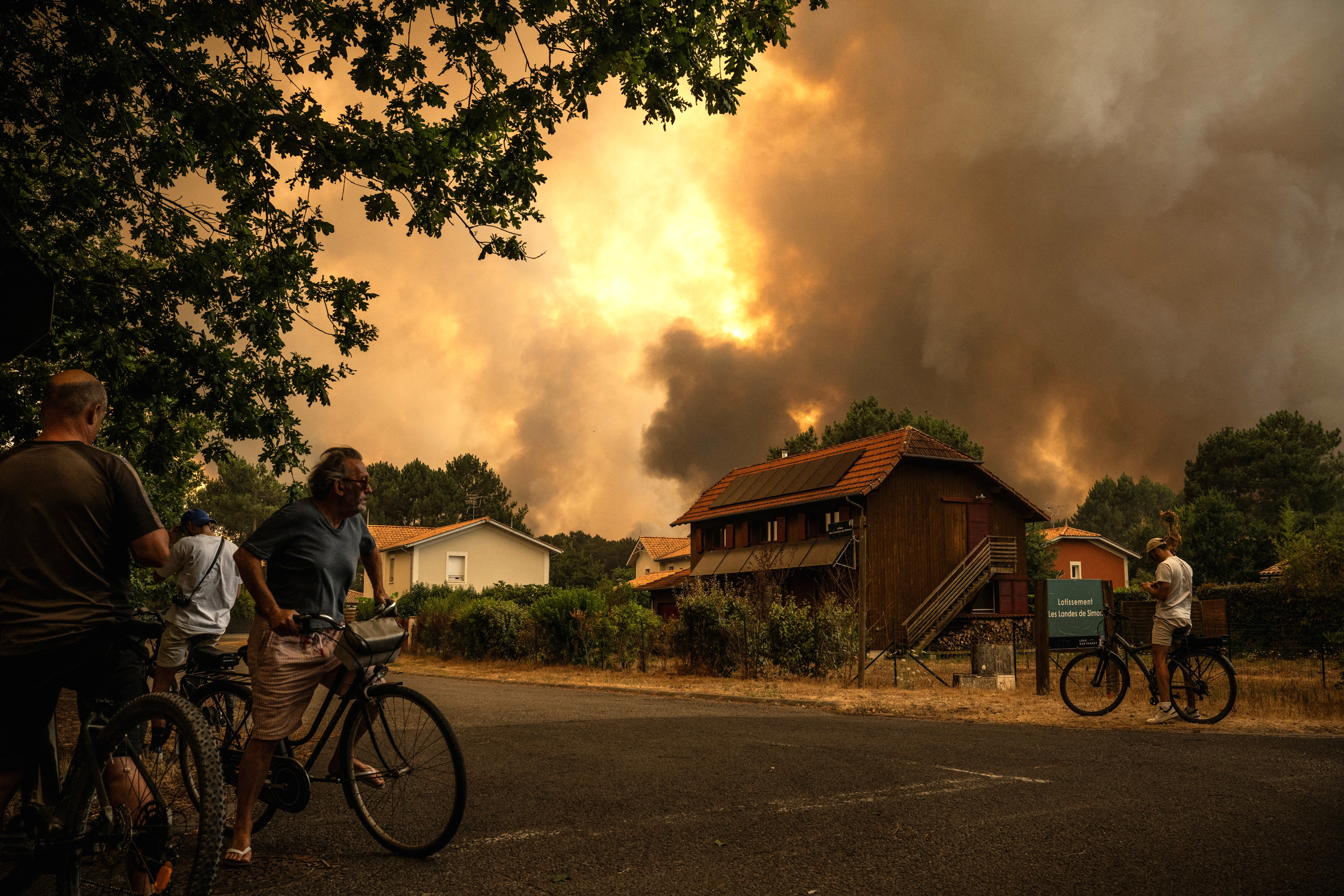
- Wildfires have struck in or around Piana degli Albanesi in four of the last six years — Sicily accounts for nearly half of Italy's wildfires — and a single blaze three years ago destroyed several acres and killed nearly two dozen sheep on Giorgia Caruso's family farm.
- Christian Mulder, an ecologist and professor at the University of Catania, said the situation may represent the first case of climate migration leading to the potential loss of an entire ethnic minority in southern Europe.
- Mayor Rosario Petta, in office since 2022, is lobbying for direct Palermo–Tirana flights and courting Balkan tourists while encouraging residents to volunteer with Civil Protection wildfire-prevention efforts to counter depopulation.
- Fourth-generation Arbëreshë farmer Giovanni Scalora has abandoned sheep for hardier cattle after failing to find a breed that can adapt, conceding Piana's centuries-old sheep's-milk ricotta tradition will likely have to change.
- Anna Liscari, whose family split time between Piana and California for 50 years, permanently relocated to Newport Beach, calling the town 'stuck in time in the way it is managing its disappearance' as her great-aunt closed a famed cannoli bar after organic suppliers shut down.
Why it matters: Piana degli Albanesi is the social and cultural hub of Sicily's entire Arbëreshë community, and its depopulation rate is nearly triple the island's average. Mayor Rosario Petta warns that every 1,000 people who leave represents another 1,000 who will no longer speak Arbëresh, putting language and identity preservation at direct risk. University of Catania ecologist Christian Mulder frames this as the first potential climate-driven loss of an entire ethnic minority in southern Europe.
Ask SkimNews