Hungary shuts nuclear reactors as Danube hits record low — SkimNews

Get the Energy newsletter
Daily energy & climate — solar, EVs, oil, the policy fights and tech bets shaping the transition. Free.
- Ínség-szikla — the Rock of Starvation, a centuries-old Budapest boulder whose emergence historically signaled famine — has fully surfaced alongside its sandy riverbed for the first time in living memory, astonishing geologists and government scientists sent to examine it.
- Hungary has shut down all but one of its Danube-cooled nuclear reactors for the first time in 44 years as record-low water levels cripple the country's energy supply, with PM Péter Magyar warning the economic damage will surpass the devastating 2022 drought.
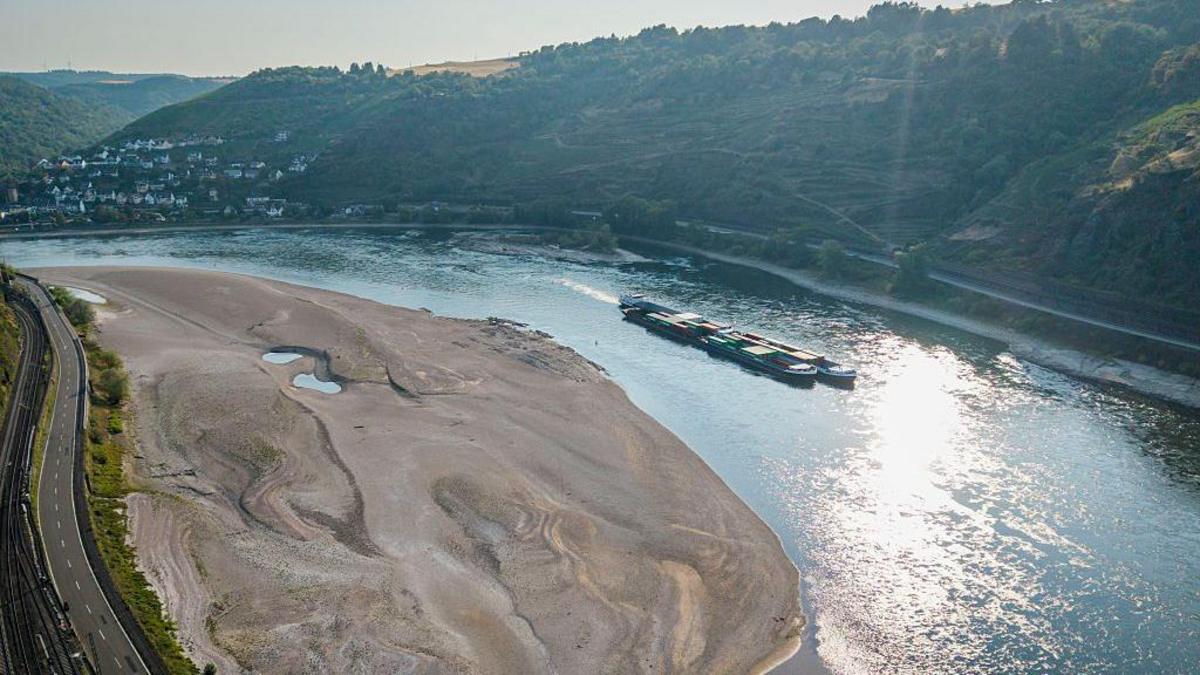
- The Danube at Budapest fell to a record low of just 14-19 cm on 4 August, compared to a normal average of 2-3 metres and flood-stage highs of 8 metres, exposing relics including woolly mammoth remains, a WWII-destroyed bridge, a Nazi warship and an unexploded British bomb.
- István Somogyi, a 56-year-old farmer in Pócsmegyer, said he has lost 50-70% of his harvest this year — the worst he has seen since starting to farm after the fall of communism — and warned 'the drought will return next year. That is the trend.'
- Szentendre deputy mayor József Gulyás said 4,000-5,000 households in his town lost water access; the municipality distributed 25 tonnes of bottled water and fielded roughly 100 emergency calls a day, with elderly residents bursting into tears when deliveries arrived.
- Gábor Kürti, president of the Magyar Kerékpárosklub (Hungarian cyclists' club), rode 30km along the exposed Danube bed on 28 July, telling the Guardian: 'we have literally hit rock bottom' — with his journey going viral on social media.
- Budapest police said three people went missing in the Danube over a single weekend in late June; water police recovered one body near Iváncsa while searches continued downstream for the other two swimmers.
Why it matters: Hungary's drought is hitting food, energy and water security simultaneously — one farmer lost up to 70% of his harvest, the country shut down all but one Danube-cooled nuclear reactor for the first time in 44 years, and 4,000-5,000 households lost drinking water access. It is a concrete case study of how a single climate-amplified drought can cascade through a developed EU economy.
Ask SkimNews