Drought and Heat Push Europe Power Grid to Brink — SkimNews

Get the Energy newsletter
Daily energy & climate — solar, EVs, oil, the policy fights and tech bets shaping the transition. Free.
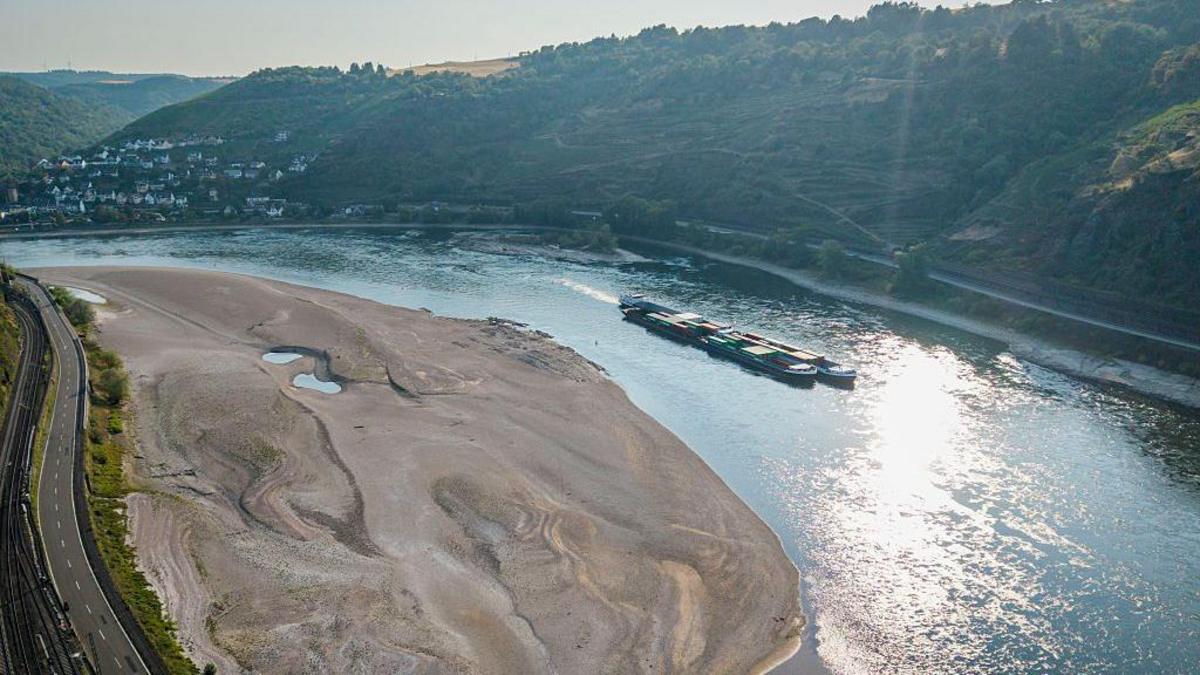
- Hungary's Paks nuclear plant shut down all but one of its eight turbines for the first time in its history as the Danube drought drained cooling water; PM Péter Magyar addressed the nation on 4 August from the parched site, pleading for conservation during the 5pm–10pm evening peak.
- Romania blew up a rock outcrop to redirect more Danube water toward the Cernavodă nuclear plant, while Slovenia and France also shut reactors due to high temperatures and low water levels.
- Europe's hydropower generation fell to its lowest levels in more than a decade in July, and nearly one-third (32%) of Italy's gas power fleet faces cooling-water shortages, according to Montel analyst Fintan Devenney.
- Power demand spikes roughly 20% during heatwaves from air conditioning use, even as solar set generation records across the EU in June 2026 — supplying up to 80% of Hungary's daytime power but offering nothing for the long, hot evening peak.
- Wholesale electricity prices during evening peaks exceeded €300 per megawatt hour this week in Poland, Slovakia, Romania and Hungary, more than double the typical €100–€150/MWh range, signaling how tight supply has become.
- June 2026 was the hottest June on record for Europe, and Ember analyst Chris Rosslowe said hydropower will likely remain at very low levels into August with little rain forecast in the coming days.
Why it matters: Europe's grid faces a supply-demand squeeze that cannot be quickly engineered away: low river levels will take weeks of rain to recover, leaving multiple nuclear reactors and nearly a third of Italy's gas capacity offline while AC demand runs roughly 20% above normal. Without battery storage to shift solar generation into evening peaks, governments are resorting to public appeals rather than formal rationing — a stopgap that buys time but offers no structural fix.
Ask SkimNews