Europe Drought Halts Hungary, Romania Nuclear Plants — SkimNews

SkimNews Take
Nuclear power's reputation as climate-resilient baseload is undermined by its hidden dependency on river cooling, meaning the same drought disrupting shipping is simultaneously forcing reactor shutdowns across the continent.
Get the Energy newsletter
Daily energy & climate — solar, EVs, oil, the policy fights and tech bets shaping the transition. Free.
- Hungary's Paks nuclear plant — a 44-year-old facility supplying nearly half the country's electricity — is running at less than 50% capacity and is expected to fully power down next week because Danube water levels are too low to cool its reactors, the first such shutdown in the plant's history.
- Romania's Cernavodă plant shut down one reactor unit for safety reasons earlier in the week and announced a second will follow, with Prime Minister Ilie Bolojan saying outages could last one to two weeks.
- Hungarian PM Péter Magyar warned an energy crisis could begin Monday, asking citizens to avoid charging EVs and switch off air conditioners during evening peaks, while ordering carmakers and battery manufacturers to cut power and water consumption.
- Budapest closed the Margaret Bridge after dropping water levels exposed a second world war bomb at its base, while cruise ships were forced to dock upriver and sightseeing cruises were cancelled.
- Ryahovo village in northern Bulgaria — a resident discovered woolly mammoth bones on the dried riverbed, now being investigated by specialists from the Regional History Museum in nearby Ruse.
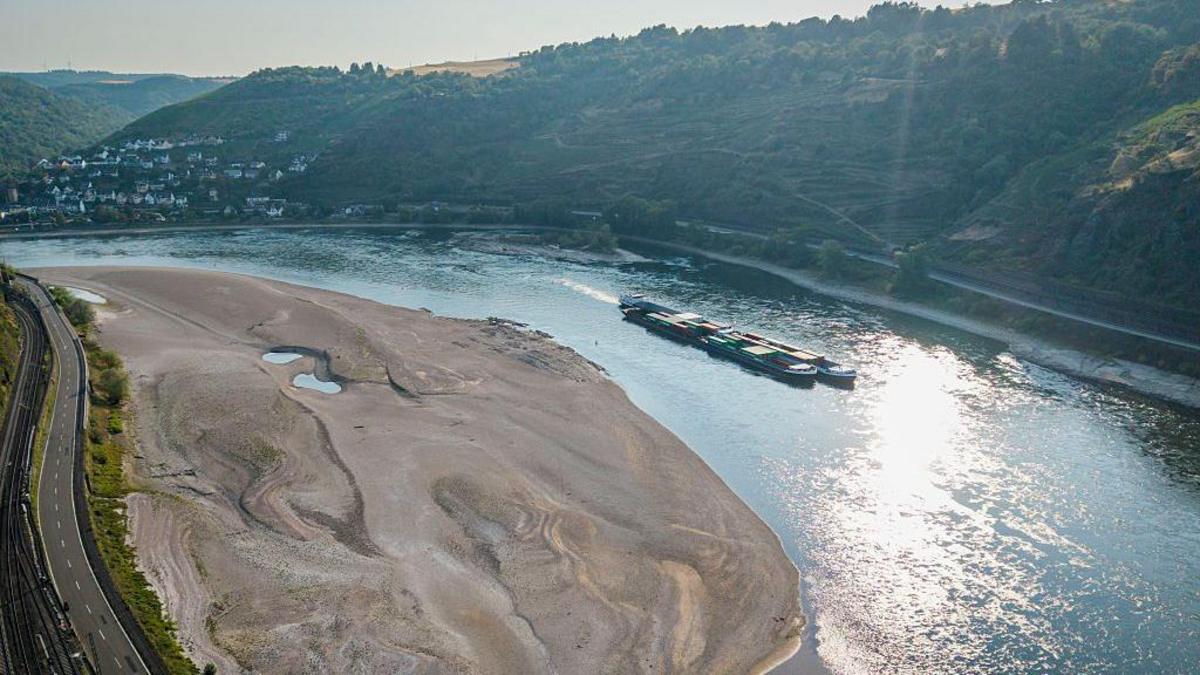
- Rhine shipping in Germany has been cut to roughly 20% of normal cargo capacity as the river hits near-record lows; Dutch officials said the Rhine has dropped to its lowest level ever recorded where it enters the Netherlands.
- Serbia — hundreds of small boats and dozens of cargo ships are marooned near Novi Sad, where houseboat owner Radovan Segrt told the AP the Danube has withdrawn 15 to 20 metres from its shore.
Why it matters: For Hungary and Romania, the reactor shutdowns mark an unprecedented climate-driven threat to nuclear baseload power — Paks alone supplies nearly half of Hungary's electricity — forcing emergency consumption cuts on households and manufacturers. The Rhine bottleneck simultaneously threatens Germany's role as the EU's top economy by choking shipments of grains, coal, oil products, ores, and minerals along its most critical shipping artery.
Ask SkimNews