Wales Wildfires Burn Centuries of Peat in Single Seasons — SkimNews
Get the Energy newsletter
Daily energy & climate — solar, EVs, oil, the policy fights and tech bets shaping the transition. Free.
- Nick Thomas of Natural Resources Wales said he expects 2026 to be the worst wildfire year Wales has ever experienced, warning that incinerated upland peat could take hundreds of years to recover since peat grows roughly one millimetre per year.
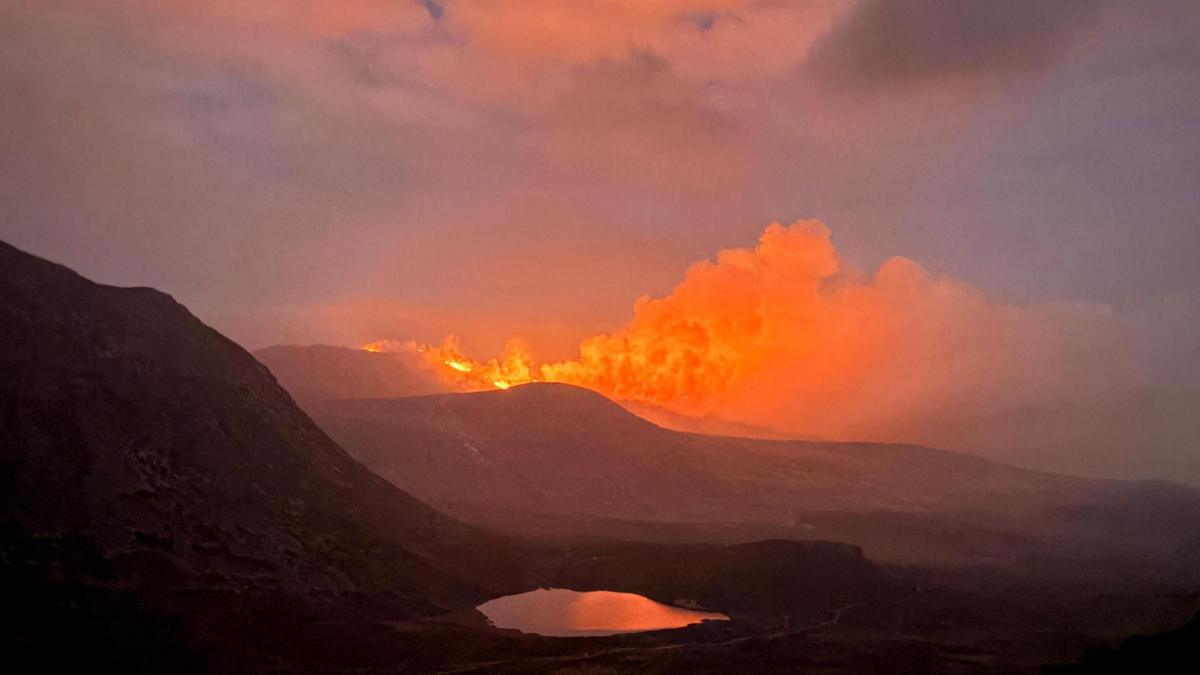
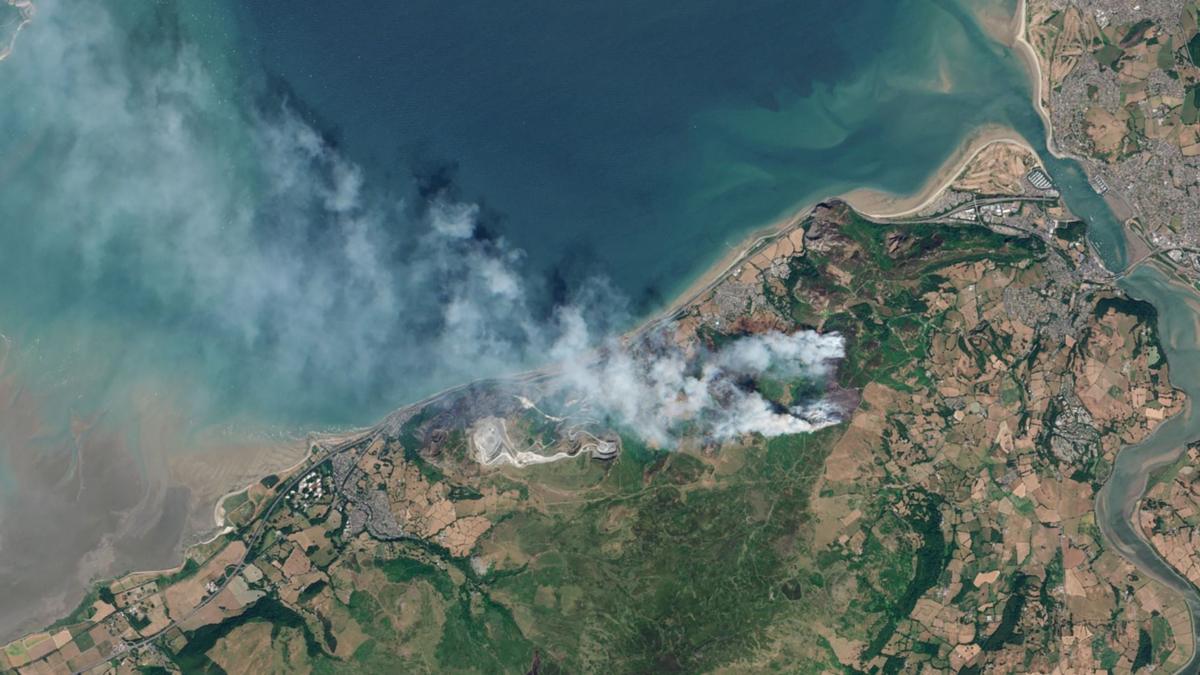
- A Rhinogydd mountain range blaze in Gwynedd burned for nearly two weeks across over 2,000 acres within a National Nature Reserve and Special Area of Conservation, with the fire visible from space.
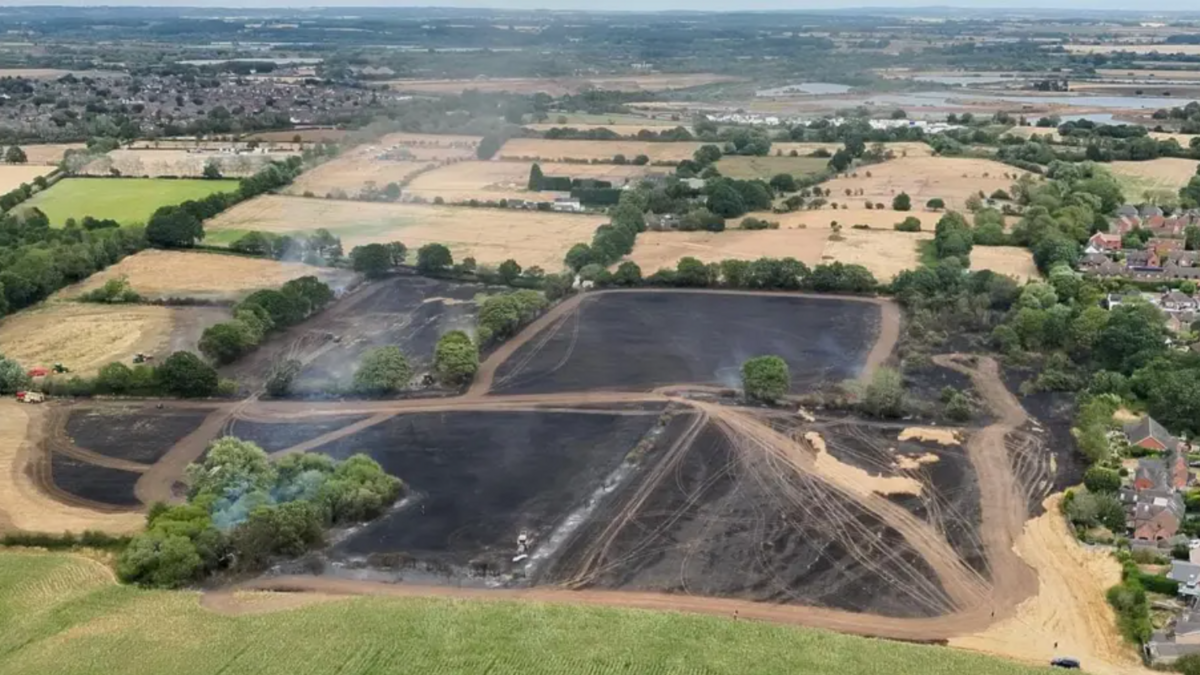
- A Conwy county wildfire forced the evacuation of a village, while a separate Blaenavon, Torfaen fire could be smelt as far away as Cardiff.
- A 2018 blaze on Mynydd Llantysilio incinerated about 10cm of peat — and eight years later, large patches still have no heather, with Thomas linking a heather beetle "big upsurge" stripping combustible plants to milder winters.
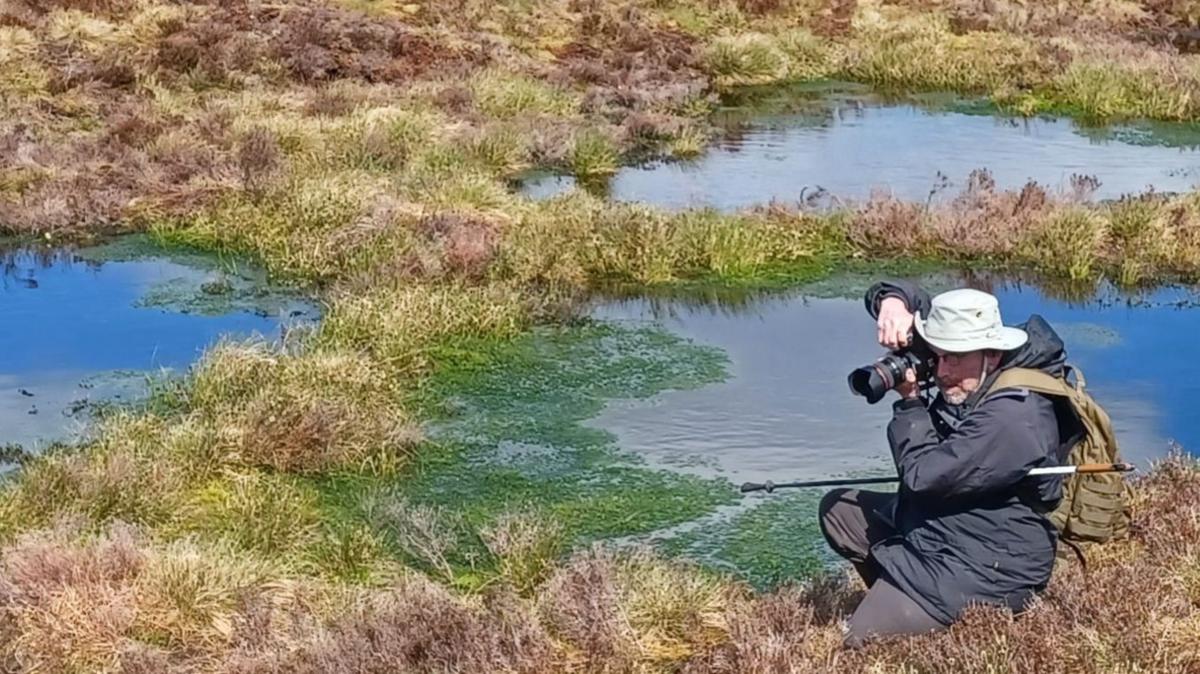
- Julian Thompson, warden of Pensychnant Conservation Centre for 36 years, said soil turned to dust "right down to the rock" after roughly one-third of the reserve's 150 acres burned in July.
- Rare moth Ashworth's Rustic — found only in the Snowdonia and Meirionyddshire mountains — was destroyed on Pensychnant land along with the Weaver's Wave, with their overall habitat now "diminished."
- With peat soils gone, Thomas warned that high ground loses its flood-buffering "sponge" function, raising downstream flood risks.
Why it matters: Wales's peat soils function as both rare-species habitat and a natural flood-buffering "sponge," Thomas said, so burning centuries of growth in a single season is irreversible on any policy timescale — and with NRW calling 2026 possibly the worst wildfire year on record, every unburnt hectare of moorland just became more strategically valuable to protect before the next dry summer.
Ask SkimNews